
"separate"
8433 article(s) found

Coffee extraction principle
Coffee extraction principle Coffee production equipment is various and methods are different, but the core extraction principles are all the same. The core process of coffee extraction principle is: (1) crushing coffee beans to increase the surface area of coffee in contact with water; (2) fully soaking coffee powder in aqueous solution and hydrophilic dissolution of coffee essence; (3) separating coffee solution and coffee grounds. All modern coffee extracts are soaked,
What is wet coffee?
This kind of coffee is peeled and separated from the pulp when the beans are still wet.

Multiple factors affecting a cup of coffee (Espresso)
On the basis of affecting the quality of coffee, we divide the production process into several elements to facilitate the organization of a large number of materials, not to say that these elements are independent of each other or can be defined separately.
Processed raw coffee beans
Raw beans generally use washing and drying methods, both of which can produce high quality raw beans.
Coffee technology Coffee extraction principles
Coffee extraction principle Coffee production equipment is various, methods are also different, but the core extraction principle is the same. Coffee extraction principle core process: 1 crush coffee beans, increase coffee and water contact surface area; 2 coffee powder fully soaked in aqueous solution, coffee essence hydrophilic dissolution; 3 separation of coffee solution and coffee grounds. All modern coffee extractions are steeped,
Coffee common sense explains what is filter paper
Most of the filter paper is made of cotton fibers, which are made by different methods according to different uses. Because its material is made of fiber, there are numerous small holes on its surface for liquid particles to pass through, while larger solid particles cannot. This property allows the separation of liquid and solid substances that are mixed together. The function of filter paper in coffee making is to make drip coffee.
Basic knowledge of boutique coffee what is filter paper
Most of the filter paper is made of cotton fibers, which are made by different methods according to different uses. Because its material is made of fiber, there are numerous small holes on its surface for liquid particles to pass through, while larger solid particles cannot. This property allows the separation of liquid and solid substances that are mixed together. The function of filter paper in coffee making is to make drip coffee.
What is the filter paper for making coffee?
Most of the filter paper is made of cotton fibers, which are made by different methods according to different uses. Because its material is made of fiber, there are numerous small holes on its surface for liquid particles to pass through, while larger solid particles cannot. This property allows the separation of liquid and solid substances that are mixed together. The function of filter paper in coffee making is to make drip coffee.

What is filter paper? Most of the filter paper is made of cotton fiber
Most of the filter paper is made of cotton fibers, which are made by different methods according to different uses. Because its material is made of fiber, there are numerous small holes on its surface for liquid particles to pass through, while larger solid particles cannot. This property allows the separation of liquid and solid substances that are mixed together. The function of filter paper in coffee making is to make drip coffee.

How is coffee extracted? What is Coffee Extract?
Professional coffee knowledge exchange More coffee bean information Please pay attention to coffee workshop (Weixin Official Accounts cafe_style) Coffee extraction principle core process: 1 crush coffee beans to increase the surface area of coffee in contact with water; 2 fully soak coffee powder in aqueous solution, coffee essence hydrophilic dissolution; 3 separate coffee solution and coffee grounds. Coffee extraction principles All modern coffee extractions
Low caffeine treatment of coffee introduces the principle of low caffeine treatment.
More information on coffee beans Please follow Coffee Workshop (Wechat official account cafe_style) methylene chloride is a solvent used to combine and separate caffeine molecules in green coffee seeds. The KVW MC process first uses hot water to extract caffeine and other soluble substances from coffee seeds and then removes the seeds from the water. And then add dichloromethane.

Recyclable coffee cups are coming soon.
Coffee cups for takeaway coffee are always transported to landfills as office waste, but now Martin Myerscough, the British inventor, has invented a method of making coffee cups that can be recycled up to seven times, like newspapers and cardboard. According to Martin Myerscough, a small difference in the mode of production may be significantly reduced because coffee cups
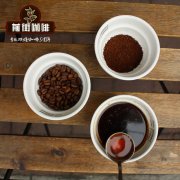
Peruvian Coffee-El Cerro Coffee Farm [Kaddura] what is the flavor and characteristics of coffee beans? Peru E
Professional coffee knowledge exchange more coffee bean information please follow coffee workshop (Wechat official account cafe_style) Peruvian Coffee-El Cerro Coffee Farmer

There are three ways to treat coffee beans by making coffee.
As soon as coffee cherries are picked, they have to be sent to agricultural products for processing. Cherries that have been picked, including freshly ripe, overripe, and unripe, are all mixed together. If these cherries are not treated separately, the quality of the coffee beans is really unpalatable, because it is mixed with a lot of bad-tasting impurities. So
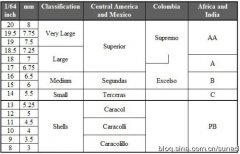
Ten elements of coffee common sense to consider when choosing raw coffee beans
The raw bean seller is mainly responsible for grading the coffee beans before selling them to the coffee bean merchant. After the grading is completed, premium coffee beans and boutique coffee beans will be selected, although they will have some defects but do not affect the coffee rating. These defects are not so serious, but they can also cause potential damage to the quality of coffee. Although Cupping is undoubtedly the most definite way to check coffee beans.
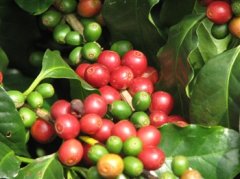
Initial processing requirements of Yunnan Coffee (Arabica species)
Technical requirements for the initial processing of small seed (Arabica seed) Coffee 1. There are two processing methods for coffee beans made from fresh coffee fruits, namely wet processing and dry processing. The first and second grade fruits are processed by wet method, and the third grade fruits are processed by dry method in areas without peeling machine and lack of water. 2. Processing technology 2.1 equipment and facilities should be equipped with fresh fruit collection pool and siphon
Greek style coffee
This drink consists of espresso smoothies placed at the bottom of the cup, separated by chocolate chips, and milk poured on top. It was supposed to be floating coffee, but it sank below, giving people an incredible feeling and making a deep impression. Just crush the chocolate chip with a straw, and the espresso smoothie floats, and the two layers fuse instantly. Ingredients: crushed ice 10g, Italy
Cultivation techniques of small Coffee in Yunnan Province: harvesting and processing
Yunnan Province, small-grain coffee cultivation, coffee cultivation techniques, coffee harvesting, coffee processing
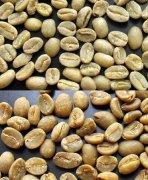
Grading of raw coffee beans there are two ways to grade raw coffee beans.
There are two ways to classify raw coffee beans, one is the filter number, and the other is the elevation. It is divided by the filter number, and the size is size in terms of the screen size. Round beans are generally smaller than flat beans, between 8-13 and 12-29. 8, 9, 10. 12, 13. 18. 29 = small, medium, ordinary. Quasi-big. Big, extra large. The bigger the size, the bigger the beans. Like SC-.

Kenya Coffee Kenya rating
Usually, Kenyan coffee is classified as follows: 1) Common categories: coffee fruits picked by hand, picked by hand, picked out immature fruit (unripe), overripe fruit (overripe) and other defects, peeled, after about 36 hours of fermentation, placed on a metal grid for sun drying, in the processing plant to remove the seed shell (parchment) to become a blue-green appearance