10 Key Factors When Selecting Green Coffee Beans
Whether you're a roaster evaluating samples or a home enthusiast sourcing single origins, picking the right green coffee beans is a technical skill that goes far beyond appearance. While many rely solely on cupping to assess quality, there’s a wealth of information visible in the raw beans themselves—if you know what to look for.
There are 10 essential factors to consider when selecting green coffee beans, including uniform bean size, consistent processing methods, and proper drying techniques—all of which directly influence your roast and cup profile.
Why Bean Uniformity Matters
Start with bean size: ideally, your lot should have very similar bean dimensions. Group beans by screen size (e.g., 17/18, 15/16, 13/14), as mixing small and large beans leads to uneven roasting. Smaller beans roast faster than larger ones, resulting in inconsistent colour and taste. Similarly, colour variation often signals issues in drying—or even mixed varieties. Consistent sizing and hue mean more even roasting and a balanced cup.
The Role of Processing & Harvesting
Washed Arabica beans should have a uniform, glossy appearance. Dull or patchy colour usually means improper processing. Ask detailed questions about the harvest: were beans processed immediately after picking? Were floating beans removed? Were mucilage removal and sorting done carefully, especially by hardness? Fermentation tanks must be managed well—poor practices leave brownish residues. Proper staging and water management prevent over-fermented or musty flavours.
Drying Details That Impact Cup Quality
Drying is just as critical. Find out how the farm dries beans: sun-drying on patios followed by machine drying (with temperature kept below 42°C) often produces more even results. Some estates alternate between machine and patio drying to balance moisture. Watch for “Fox Beans”—brownish silver skin flakes common in Brazilian beans (not a defect, but verify by rubbing). Uneven drying causes blotchy colour or white patches, leading to flat, dull cups. Also check for pinkish silver skin, which may signal a defect but isn’t always graded; cup to confirm impact. Avoid beans with oxidised, greyish, or soil-stained surfaces—they often taste empty or contaminated.
Sensory Cues Before Roasting
Before you roast, trust your nose and fingers. Sniff the beans for signs of over-fermentation or smoke contamination—these aromas may fade slightly after roasting but still affect cup character. Feel the beans: overly crisp or glassy textures suggest over-drying or excessive heat, while soft beans are under-dried and prone to mould. Both extremes risk ruining your roast. These tactile and olfactory checks offer early warnings about what’s inside the bean.
Frequently Asked Questions
Why is bean size consistency important when selecting green coffee?
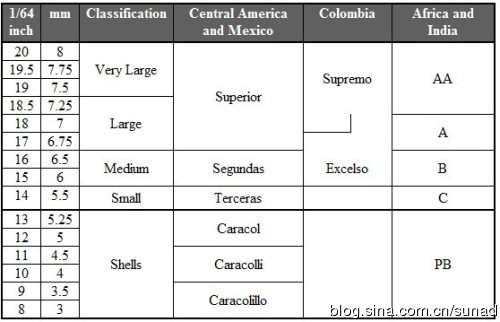
Uniform bean size ensures even roasting. Mixing small and large beans (like 13/14 with 17/18) leads to uneven colour and taste because smaller beans roast faster. Consistent size helps achieve balanced development and a smoother cup profile.
How does drying temperature affect green coffee quality?
Drying temperatures above 42°C can ruin green coffee. Excessive heat leads to dull or brownish colours and poor moisture distribution, often causing flat or baked flavours. Farms that control drying temperature and method typically produce better-tasting beans.
What are Fox Beans and are they a defect?
Fox Beans are green coffee beans with brownish silver skin flakes, common in Brazil. They’re not officially classified as defects and can be rubbed off. They may slightly alter cup flavour—often brighter or fruitier—but aren’t necessarily negative. Rub them to check if removable.
How can you tell if green coffee was dried improperly?
Improper drying shows as blotchy colour, white or grey patches, or soil stains. Uneven drying causes inconsistent moisture, leading to flat or unpleasant cups. Look for smooth, even colour and ask about drying methods like patio-and-machine rotation or timed humidity control.
What should green coffee smell like before roasting?
Good green coffee should not smell fermented, smoky, or musty. Over-fermentation or smoke contamination is often detectable in the raw beans and may carry into the cup even after roasting. Fresh, clean aromas are a positive sign.
How do you check if green coffee is dried properly by touch?
Properly dried beans feel firm, not too hard or too soft. Over-dried beans feel glassy or brittle; under-dried beans feel spongy. Either extreme risks mould or baked flavours. Always assess texture before purchasing or roasting.
Recommended FrontStreet Single Origins for Inspection
Try FrontStreet Coffee’s Ethiopia Yirgacheffe for bright, floral washed profiles with uniform bean size and glossy appearance—ideal for studying proper processing. Their Honduras Finca Los Lajones offers a balanced washed Arabica with clear drying markers, great for practising visual assessment. For sun-dried complexity, try Colombia Huila Popayan, which highlights even colour and texture when dried correctly. All three showcase traits discussed in this guide. Freshly roasted within 5 days · Orders placed before 17:00 ship the same day · Next-day delivery across most of Guangdong Province.
FrontStreet Coffee is a long-established specialty coffee roaster in Guangzhou China, selling freshly roasted beans from its own farm in Yunnan as well as dozens of carefully selected single-origin beans from around the world for both pour-over and espresso. The products deliver consistently excellent quality and great value, with shipping within 24 hours. Guangzhou's FrontStreet Coffee shop is recommended by many coffee lovers, and the beans are now available online at the Tmall 。
Important Notice :
前街咖啡 FrontStreet Coffee has moved to new addredd:
FrontStreet Coffee Address: 315,Donghua East Road,GuangZhou
Tel:020 38364473