
"shortberry"
101 article(s) found

Introduction of Ethiopian Coffee beans
Ethiopian beans are easily recognizable, mostly small and pointed long beans, known as longberry, and often mixed with small oval-shaped short beans, called shortberry, which look uneven in size and appearance. The commercial bulk beans of Grade4 or Grade5 are mostly mixed with hundreds of different crystal seeds in different producing areas, so the phenomenon of uneven bean phase is the most obvious.

There are several grades of Ethiopian coffee.
Ethiopian beans are easily recognizable, mostly small and pointed long beans, known as longberry, and often mixed with small oval-shaped short beans, called shortberry, which look uneven in size and appearance. The commercial bulk beans of Grade4 or Grade5 are mostly mixed with hundreds of different crystal seeds in different producing areas, so the phenomenon of uneven bean phase is the most obvious.
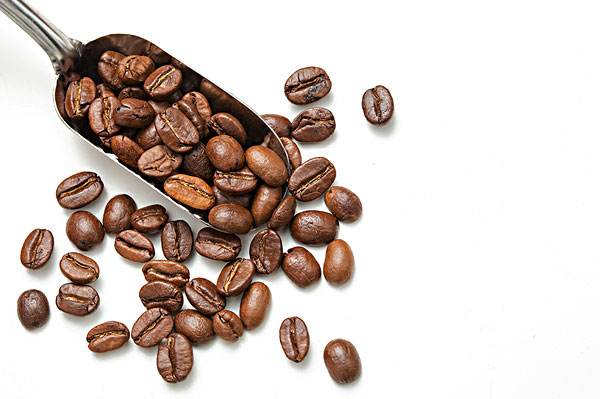
How to identify coffee beans in Ethiopia
Following Cafe (official Wechat account vdailycom) found that Ethiopian beans are easy to recognize. Most of the beans are small and pointed into long beans, so-called longberry, and often mixed with small oval-shaped short beans, so-called shortberry, looking uneven in size and appearance. The commercial scale of Grade4 or Grade5

Introduction to the appearance characteristics of Ethiopian Coffee
Ethiopian beans are easily recognizable, mostly small and pointed long beans, known as longberry, and often mixed with small oval-shaped short beans, called shortberry, which look uneven in size and appearance. The commercial bulk beans of Grade4 or Grade5 are mostly mixed with hundreds of different crystal seeds in different producing areas, so the phenomenon of uneven bean phase is the most obvious.

Introduction to the characteristics, Analysis and quality of Ethiopian Coffee
Ethiopian beans are easily recognizable, mostly small and pointed long beans, known as longberry, and often mixed with small oval-shaped short beans, called shortberry, which look uneven in size and appearance. The commercial bulk beans of Grade4 or Grade5 are mostly mixed with hundreds of different crystal seeds in different producing areas, so the phenomenon of uneven bean phase is the most obvious.
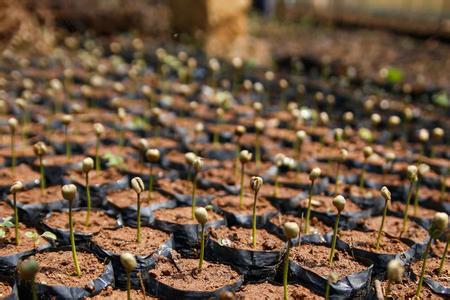
Grade Analysis of Ethiopian Coffee Bean by Solar method (High-shelf Solar method)
Ethiopian beans are easily recognizable, mostly small and pointed long beans, known as longberry, and often mixed with small oval-shaped short beans, called shortberry, which look uneven in size and appearance. The commercial bulk beans of Grade4 or Grade5 are mostly mixed with hundreds of different crystal seeds in different producing areas, so the phenomenon of uneven bean phase is the most obvious.

Introduction to the grading system of Yejiaxuefei Coffee beans the characteristics of G1 flavor and taste of Yejiaxuefei coffee beans
Yega Xuefei Coffee rating Plan can be divided into five levels: Ethiopian beans are easily recognizable. Most of the beans are small and pointed long beans, the so-called longberry, and often mixed with small oval-shaped short beans, the so-called shortberry, looks uneven in size and uneven in appearance

How about Harald Harar coffee in the coffee growing area of Ethiopia? Harald Harar Coffee
Professional Coffee knowledge Exchange for more information on coffee beans please follow Coffee Workshop (Wechat official account cafe_style) Harrar-also spelled as Harar- including the easternmost coffee growing area of Ethiopia. It is subdivided into four smaller regions: East Harar, West Hara, Bell and Arsi. Harrar stretches through the vast desert to the border, and to the east is Soma

Introduction to variety classification of Ethiopian coffee beans by description of taste and flavor
Ethiopian coffee classification Ethiopian beans are easy to recognize, mostly small and pointed long beans, known as longberry, and often mixed with small oval-shaped short beans, called shortberry, look uneven in size and appearance. The commercial bulk beans of Grade4 or Grade5 are mostly mixed with hundreds of different crystal seeds in different producing areas, so the bean phase

An introduction to the Flavor description of the Manor in Xidamo Shachiso, Ethiopia
Ethiopian beans are easily recognizable, mostly small and pointed long beans, known as longberry, and often mixed with small oval-shaped short beans, called shortberry, which look uneven in size and appearance. The commercial bulk beans of Grade4 or Grade5 are mostly mixed with hundreds of different crystal seeds in different producing areas, so the phenomenon of uneven bean phase is the most obvious.

Introduction to Ethiopian coffee beans with mostly small grains and long, pointed beans
Ethiopian beans are easily recognizable, mostly small and pointed long beans, known as longberry, and often mixed with small oval-shaped short beans, called shortberry, which look uneven in size and appearance. The commercial bulk beans of Grade4 or Grade5 are mostly mixed with hundreds of different crystal seeds in different producing areas, so the phenomenon of uneven bean phase is the most obvious.

Introduction to the taste of grinding scale for sweet Ethiopian coffee bean flavor description
Ethiopian beans are easily recognizable, mostly small and pointed long beans, known as longberry, and often mixed with small oval-shaped short beans, called shortberry, which look uneven in size and appearance. The commercial bulk beans of Grade4 or Grade5 are mostly mixed with hundreds of different crystal seeds in different producing areas, so the phenomenon of uneven bean phase is the most obvious.

Ethiopian Coffee: holy City Harar
Harar is a famous producing area in eastern Ethiopia, the representative of ET sun-cured coffee, and it is also a classic of fine coffee world sun treatment or natural treatment. Harar, with a history of more than 1300 years, Harar is a veritable ancient city. Although archaeologists believe that the city was built in the 10th century, legends make people believe that the city's history should be longer. Harar in
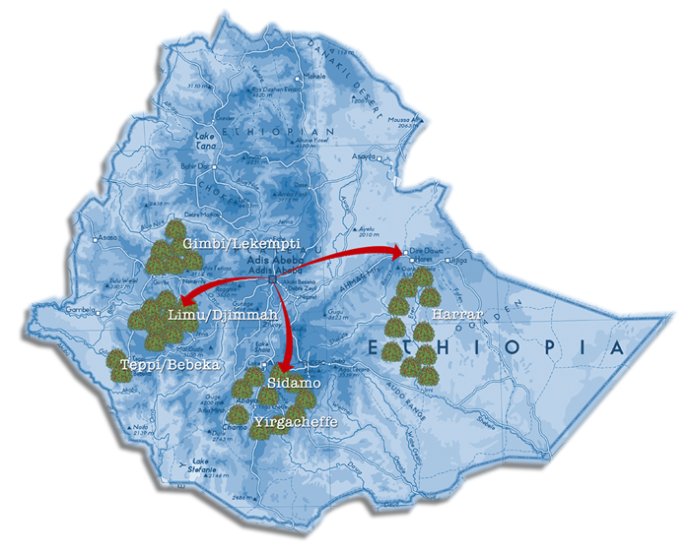
Harar Hara, an Ethiopian Ethiopia boutique coffee producing area, is an eastern Ethiopian producing area.
Professional baristas please follow the coffee workshop (Wechat official account cafe_style) Harar is a famous producing area in eastern Ethiopia, ET sun-cured coffee representative, but also a boutique coffee world sun treatment, or natural treatment classic. Harar, with a history of more than 1300 years, Harar is a veritable ancient city. Although archaeologists believe that the city was built in the 10th century
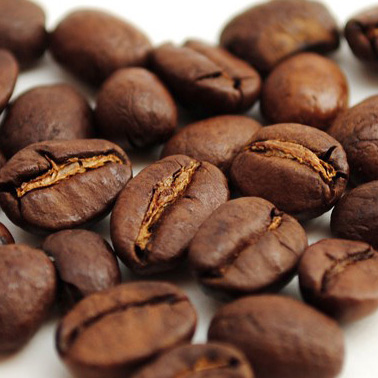
African Coffee Manor Irga Coffee beans from Ethiopia with a slightly floral flavor
Ethiopia Irga Coffee (Ethiopian Yrgacheffe) is glycol, low acidity, rich fragrance, unique strong fruit aroma, slightly floral aroma Fine mellow body light acidity, outstanding aroma, with extraordinary floral perfumes Harald ECMC (the Ethiopian Coffee Marking Corporation).
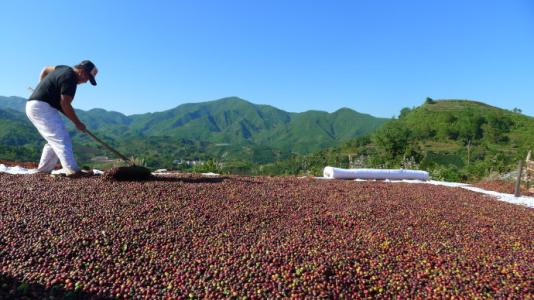
Flavor characteristics of Coffee growing area in Ethiopia
Flavor characteristics of coffee growing areas in Ethiopia Panama (Bourbon): floral (floral), cherry fruits (cherry-fruited), vanilla (vanilla), malt (malty), caramel (caramelly), chocolate (chocolate) Tanzania (Bourbon): caramel (caramelly), sweet fruit (very sweet fruit), yellow sugar (brown sugar), vanilla (

Yega Chefe, Ethiopia Yega Chefe Manor Cup holder
Ethiopian coffee beans taste Ethiopian coffee beans feature Ethiopian beans look a little malnourished. However, the appearance of beans, Ethiopian coffee can be ranked as the world's most citrus aroma, whether instant coffee or freshly ground coffee, the extraction will smell the pungent aroma of orange or lemon. The entrance is characterized by strong floral, fruity, sour and sweet aromas, but mellow.
Classification of coffee beans in Ethiopia
The stability of Ethiopian water-washed beans is much better than that of sun-dried beans, whose flavor fluctuates greatly every year, so be sure to test it several times before buying in large quantities. If you buy good sun-dried beans, their flavor is much deeper than water-washed beans, but if you buy improperly handled sun-dried beans, it will certainly make people speechless, which is the wish of many coffee fans. How many Arabica subspecies are there in Ethiopia?

Analysis and introduction of Coffee Variety and quality in Ethiopia
The biggest disadvantage is that it is easy to bake unevenly, especially sun-dried beans. Even the best Grade3 Harald sun-dried beans often show uneven color, which is the biggest defect of Ethiopian beans, but the good thing is that it does not affect its good flavor. For coffee fans, you don't have to worry about what the beans look like, it's the most important thing. The stability of Ethiopian water-washed beans is much better than that of sun-dried beans, which has an annual flavor.

A brief introduction to the grinding scale production area of Ethiopian coffee beans by describing the characteristics of taste and flavor
Brief introduction of Ethiopian coffee bean characteristics, taste and flavor description method grinding scale production area Coffee is Ethiopia's most important export cash crop and the main source of Ethiopia's foreign exchange earnings. Ethiopia's coffee exports account for about 3% of the world market, making it the eighth largest coffee exporter in the world. Coffee exports increased steadily from 58000 tons in 1990 to 1995-1996.