
"sodium"
1032 article(s) found

The main uses of coffee grounds
Coffee grounds are the dregs left over from the extraction of coffee, isn't it? In fact, every 100 grams of coffee beans are rich in 12.6 grams of protein, 9 grams of cellulose, 4.2 grams of ash, 120 milligrams of calcium, 170 milligrams of phosphorus, 42 milligrams of iron, 3 milligrams of sodium, 0.12 grams of vitamin B2, 3.5 milligrams of niacin, 1.3 grams of caffeine and 8 grams of tannins. It can be said that the coffee grounds after extraction are nutritious and comprehensive.
Analysis of the components of Fine Coffee beans
Fat: there are many kinds of fat in coffee, the most important of which are acidic fat and volatile fat; acidic fat refers to the presence of acid in fat, and its acidity varies with different types of coffee. Volatile fat is the main source of coffee aroma, emitting 40 aromatic substances, is a very complex and subtle ingredient. Sugar: coffee beans contain about 8% sugar
Random talk on Coffee knowledge
Coffee with coffee (1)-water water, can be divided into soft water and hard water. After the conversion of the amount of water dissolved in water, the amount of water is less than that of hard water. Ordinary mineral water is hard water containing salt, etc., because hard water releases caffeine and tannins, which greatly reduces the taste of coffee. Ordinary tap water can be used as hot water, but in the morning
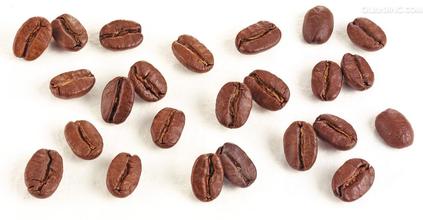
The ingredients contained in a coffee bean.
Fat: there are many kinds of fat in coffee, the most important of which are acidic fat and volatile fat; acidic fat refers to the presence of acid in fat, and its acidity varies with different types of coffee. Volatile fat is the main source of coffee aroma, emitting 40 aromatic substances, is a very complex and subtle ingredient. Sugar: coffee beans contain about 8% sugar
Development and Flavor characteristics of protein Coffee Beverage
There was a significant difference in the content of chlorogenic acid. It can be explained that in sensory evaluation, 2-1 murm has more special bitterness of coffee than 2-2 Murray. The content of soluble protein in coffee extract increased with the deepening of roasting degree. The pH value of coffee extract reached the lowest value in moderate roasting, and then increased with the increase of roasting degree. Color value and chlorogenic acid / caffeine ratio

Can I drink coffee during pregnancy? Pregnant can drink coffee.
Everyone knows that the main ingredient in coffee is caffeine. Caffeine stimulates the central nervous system, heart and respiratory system. Appropriate amount of caffeine can also reduce muscle fatigue, promote the secretion of digestive juice, but also promote kidney function, diuretic effect, help the body to expel excess sodium ions from the body. Too much caffeine can lead to caffeine poisoning.

Coffee basic knowledge Coffee production process and main ingredients
The coffee production process from the coffee fruit to the coffee in the cup requires a complex processing process. Coffee beans: peel the coffee beans from the coffee fruit. Roasting: is to cultivate the taste of coffee beans and mellow processing. The excellent roasting process allows the coffee beans to completely volatilize their unique taste and aroma. Grinding: grind roasted coffee beans into particles. Extract

Basic knowledge of boutique coffee what is cream
Plant fat powder, commonly known as milk essence, is mainly composed of syrup, vegetable oil, sodium caseinate, emulsifier and so on. Milk essence is basically divided into three types: heat-soluble type, cold-water instant-soluble type and foaming type, which are widely used in solid foods such as seasoning, nutritious cereal, infant formula rice noodle, sesame paste, soy milk crystal and peanut crystal, as well as dairy drinks, pearl milk tea, coffee companions, ice cream, freezing and baking.
Composition Analysis of Fine Coffee Bean
Fat: there are many kinds of fat in coffee, the most important of which are acidic fat and volatile fat. Acidic fat refers to the presence of acid in fat, and its acidity varies according to the type of coffee. Volatile fat is the primary source of coffee aroma, with 40 fragrant substances, which are extremely complex and subtle ingredients. Sugar: about the amount of sugar contained in coffee beans
Coffee companion introduces the role of cream in detail.
Plant fat powder, commonly known as milk essence, is mainly composed of syrup, vegetable oil, sodium caseinate, emulsifier and so on. Milk essence is basically divided into three types: heat-soluble type, cold-water instant-soluble type and foaming type, which are widely used in solid foods such as seasoning, nutritious cereal, infant formula rice noodle, sesame paste, soy milk crystal and peanut crystal, as well as dairy drinks, pearl milk tea, coffee companions, ice cream, freezing and baking.

The function of cream how about drinking coffee and milk?
Plant fat powder, commonly known as milk essence, is mainly composed of syrup, vegetable oil, sodium caseinate, emulsifier and so on. Milk essence is basically divided into three types: heat-soluble type, cold-water instant-soluble type and foaming type, which are widely used in solid foods such as seasoning, nutritious cereal, infant formula rice noodle, sesame paste, soy milk crystal and peanut crystal, as well as dairy drinks, pearl milk tea, coffee companions, ice cream, freezing and baking.

Some of the effects of coffee are known as appetizers and food aids.
Caffeine can promote kidney function, expel excess sodium ions from the body, increase urine output, improve abdominal distension and edema, and help lose weight. Black coffee is more beneficial to urine. Coffee can be an appetizer, caffeine can stimulate sympathetic nerves, stimulate stomach and intestines to secrete gastric acid, promote digestion, prevent stomach distension and gastroptosis, and promote gastrointestinal hormones and peristaltic hormones to facilitate rapid defecation. Coffee can extinguish the wind.

The role of cream in the basic knowledge of fancy coffee
Plant fat powder, commonly known as milk essence, is mainly composed of syrup, vegetable oil, sodium caseinate, emulsifier and so on. Milk essence is basically divided into three types: heat-soluble type, cold-water instant-soluble type and foaming type, which are widely used in solid foods such as seasoning, nutritious cereal, infant formula rice noodle, sesame paste, soy milk crystal and peanut crystal, as well as dairy drinks, pearl milk tea, coffee companions, ice cream, freezing and baking.

Composition Analysis of Coffee beans basic knowledge of Coffee
Fat: there are many kinds of fat in coffee, the most important of which are acidic fat and volatile fat; acidic fat refers to the presence of acid in fat, and its acidity varies with different types of coffee. Volatile fat is the main source of coffee aroma, emitting 40 aromatic substances, is a very complex and subtle ingredient. Sugar: coffee beans contain about 8% sugar

What is the cream plant fat powder commonly known as "cream"
Plant fat powder, commonly known as milk essence, is mainly composed of syrup, vegetable oil, sodium caseinate, emulsifier and so on. Milk essence is basically divided into three types: heat-soluble type, cold-water instant-soluble type and foaming type, which are widely used in solid foods such as seasoning, nutritious cereal, infant formula rice noodle, sesame paste, soy milk crystal and peanut crystal, as well as dairy drinks, pearl milk tea, coffee companions, ice cream, freezing and baking.
Basic knowledge of boutique coffee the main uses of coffee grounds
Coffee grounds are the dregs left over from the extraction of coffee, isn't it? In fact, every 100 grams of coffee beans are rich in 12.6 grams of protein, 9 grams of cellulose, 4.2 grams of ash, 120 milligrams of calcium, 170 milligrams of phosphorus, 42 milligrams of iron, 3 milligrams of sodium, 0.12 grams of vitamin B2, 3.5 milligrams of niacin, 1.3 grams of caffeine and 8 grams of tannins. It can be said that the coffee grounds after extraction are nutritious and comprehensive.

Basic knowledge of boutique coffee the ingredients of coffee beans
Fat: there are many kinds of fat in coffee, the most important of which are acidic fat and volatile fat; acidic fat refers to the presence of acid in fat, and its acidity varies with different types of coffee. Volatile fat is the main source of coffee aroma, emitting 40 aromatic substances, is a very complex and subtle ingredient. Sugar: coffee beans contain about 8% sugar
The basic knowledge of coffee explains in detail what is cream
Plant fat powder, commonly known as milk essence, is mainly composed of syrup, vegetable oil, sodium caseinate, emulsifier and so on. Milk essence is basically divided into three types: heat-soluble type, cold-water instant-soluble type and foaming type, which are widely used in solid foods such as seasoning, nutritious cereal, infant formula rice noodle, sesame paste, soy milk crystal and peanut crystal, as well as dairy drinks, pearl milk tea, coffee companions, ice cream, freezing and baking.
The composition of coffee beans
Sugar: without sugar, you will not only feel the bitterness of caffeine and the sour taste of tannin, but also feel sweet, which is caused by the sugar contained in the coffee itself. After baking, most of the sugar will be converted to caramel, bringing a unique brown to the coffee. Minerals: lime, iron, sulfur, sodium carbonate, phosphorus, chlorine, silicon, etc., because the proportion rarely affects coffee.