
"transmission"
473 article(s) found

Introduction to the operating manual of the coffee machine San Douke brand price production company
Coffee machine San Douke brand price production company operating instructions introduce us in the product core technology has been adhere to independent development, learning rather than copying foreign products, so we have a self-developed far-infrared inner pot, self-developed machine directly connected to the computer data transmission scheme, patented insulation layer, throttle, sampling spoon design. In the future, we will continue to innovate and bring better.

Introduction of Panamanian Coffee Manor Coffee planting Environment of Caesar Louis Manor
Boquet green green raw beans, high moisture content, beans are soft beans, so good heat transmission, so there is no need to worry about uneven baking, aroma and taste are excellent, smooth taste, dark chocolate, nutty aroma, high alcohol thickness, low acidity, long-lasting. [country of origin]: Panama [producing area]: Boquete [altitude]: 1550-1700 m [manor]: Villa Don

How does the sour and bitter in coffee come from?
Many thermal and chemical reactions take place during baking: decarbonation, dehydration of quinic acid, subdivision, isomerization, polymerization, and complex sugar reactions (caramelization).

Introduction of Panamanian Coffee Manor and producing area introduction of Esmeralda Manor in Panama
Boquet green green raw beans, high moisture content, beans are soft beans, so good heat transmission, so there is no need to worry about uneven baking, aroma and taste are excellent, smooth taste, dark chocolate, nutty aroma, high alcohol thickness, low acidity, long-lasting. [country of origin]: Panama [producing area]: Boquete [altitude]: 1550-1700 m [manor]: Villa Don
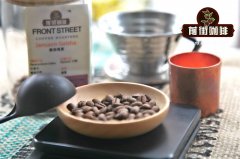
Native Ethiopian coffee native species Ethiopian coffee bean species
Professional coffee knowledge exchange more coffee bean information please follow the coffee workshop (Wechat official account cafe_style) in the global coffee, Arabica species account for about 70% of the total output, has important commercial value. Arabica species spread to all parts of the world from the Arabian Peninsula, and subspecies such as Tibica species and slope species appeared according to the route of transmission, followed by mutation and crossing.
Basic chemical reactions that occur during coffee roasting
Many thermal and chemical reactions take place during baking: decarbonation, dehydration of quinic acid, fragmentation, isomerization, polymerization, and complex sugar reactions (caramelization). The main thermally reactive components are monosaccharides and sucrose, chlorogenic acid, displaced amino acids, and trigonelline amide. Both aravinone and calactose in polysaccharides are transferred, and basic sulfurization contains hydroxyamino acids.
The basic chemical reaction of coffee roasting process
Many thermal and chemical reactions take place during baking: decarbonation, dehydration of quinic acid, subdivision, isomerization, polymerization, and complex sugar reactions (caramelization). The main components of the thermal reaction are monosaccharides and sucrose, chlorogenic acid, free amino acids, and fenugreek amide. Both aravinose and calactose in the polysaccharides are transferred, and the basic vulcanization contains hydroxylated amino acid.
The basic chemical reaction that takes place during coffee roasting.
Many thermal and chemical reactions take place during baking: decarbonation, dehydration of quinic acid, subdivision, isomerization, polymerization, and complex sugar reactions (caramelization). The main components of the thermal reaction are monosaccharides and sucrose, chlorogenic acid, free amino acids, and fenugreek amide. Both aravinose and calactose in the polysaccharides are transferred, and the basic vulcanization process includes hydroxylamine.

The basic chemical reactions that take place during coffee roasting
Many thermal and chemical reactions take place during baking: decarbonation, dehydration of quinic acid, subdivision, isomerization, polymerization, and complex sugar reactions (caramelization). The main components of the thermal reaction are monosaccharides and sucrose, chlorogenic acid, free amino acids, and fenugreek amide. Both aravinose and calactose in the polysaccharides are transferred, and the basic vulcanization process includes hydroxylamine.
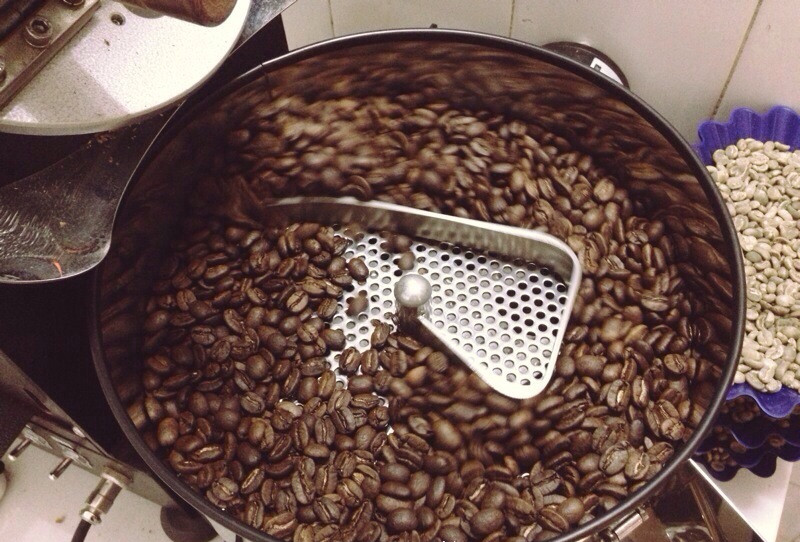
Basic chemical reactions of coffee beans during coffee roasting
Many thermal and chemical reactions take place during baking: decarbonation, dehydration of quinic acid, subdivision, isomerization, polymerization, and complex sugar reactions (caramelization). The main components of the thermal reaction are monosaccharides and sucrose, chlorogenic acid, free amino acids, and fenugreek amide. Both aravinose and calactose in the polysaccharides are transferred, and the basic vulcanization process includes hydroxylamine.
The basic chemical reactions that take place during coffee roasting
Many thermal and chemical reactions take place during baking: decarbonation, dehydration of quinic acid, subdivision, isomerization, polymerization, and complex sugar reactions (caramelization). The main components of the thermal reaction are monosaccharides and sucrose, chlorogenic acid, free amino acids, and fenugreek amide. Both aravinose and calactose in the polysaccharides are transferred, and the basic vulcanization process includes hydroxylamine.
The basic chemical reactions that take place during coffee roasting.
Many thermal and chemical reactions take place during baking: decarbonation, dehydration of quinic acid, subdivision, isomerization, polymerization, and complex sugar reactions (caramelization). The main components of the thermal reaction are monosaccharides and sucrose, chlorogenic acid, free amino acids, and fenugreek amide. Both aravinose and calactose in the polysaccharides are transferred, and the basic vulcanization process includes hydroxylamine.

What does Blue Mountain Coffee have to do with Blue Mountain Coffee in Australia? how much is a bag of Blue Mountain Coffee?
For more information on coffee beans, please follow the coffee workshop (official Wechat account cafe_style). People who don't drink coffee very much may know that there is a kind of coffee that is very good, but they have never tasted it. Most of this kind of situation is known through population transmission, and we hear its voice before we see its beans. This coffee is the world-famous Blue Mountain Coffee. Blue Mountain Coffee
The basic chemical reaction of coffee technology in the process of coffee roasting
Many thermal and chemical reactions take place during baking: decarbonation, dehydration of quinic acid, subdivision, isomerization, polymerization, and complex sugar reactions (caramelization). The main components of the thermal reaction are monosaccharides and sucrose, chlorogenic acid, free amino acids, and fenugreek amide. Both aravinose and calactose in the polysaccharides are transferred, and the basic vulcanization process includes hydroxylamine.

Golden Palace Coffee Cup: different from teacup
Golden Palace Coffee Cup-drinking coffee in South Korea is a kind of enjoyment, unlike Sprite Coke, which is mostly consumed by young people to quench their thirst. It is somewhat like Chinese tea and wine, which should be tasted slowly. Such being the case, in addition to the coffee itself, the choice of the coffee cup is very important. The coffee cup is a very important supporting role in the coffee show. Choose the right cup and a cup of coffee.

Golden Palace Coffee Cup: different from teacup
Golden Palace Coffee Cup-drinking coffee in South Korea is a kind of enjoyment, unlike Sprite Coke, which is mostly consumed by young people to quench their thirst. It is somewhat like Chinese tea and wine, which should be tasted slowly. Such being the case, in addition to the coffee itself, the choice of the coffee cup is very important. The coffee cup is a very important supporting role in the coffee show. Choose the right cup and a cup of coffee.

Exquisite coffee cups for drinking boutique coffee
● coffee cups pay attention to the simplicity of ceramic cups and the roundness of porcelain cups, which symbolize different attitudes towards coffee. Pottery cup: rich in texture, suitable for deep-baked coffee with rich taste. Porcelain cup: the most common, can just explain the delicate aroma of coffee. Among them, the bone porcelain coffee cup made of high-grade porcelain clay and animal bone powder has the advantages of light texture, soft color and high density.
What are the characteristics of a coffee cup?
● The coffee cup pays attention to the simplicity of the ceramic cup, and the roundness of the porcelain cup, respectively, marks different coffee attitudes. Pottery cup: rich texture, suitable for deep roasting and strong taste of coffee. Porcelain cup: the most common, can be just the interpretation of coffee delicate mellow. Among them, bone china coffee cups made of high grade porcelain clay and mixed animal bone powder are light in texture, soft in color, high in density and
More than a thousand cafes in Shanghai connect to Baidu Mobile guard to create a secure Wi-Fi.
Hot summer, a quiet and elegant coffee shop, a cup of iced coffee, it is better to have a free high-speed Wi-Fi, this is the perfect afternoon.

The standard espresso cup has a capacity of multiple milliliters.
The standard espresso cup is a multi-milliliter capacity ingredient: 25% bone powder, mixed with 75% high-grade porcelain clay. Features: light texture (weight), strong light transmittance, soft color and high density (fragile, easy to clean), high temperature resistance (good thermal insulation). The way to judge when choosing: yellowing in the light, and there is a clear metal sound when you knock. Maintenance code: it is best to wash it by hand