How to Choose the Right Cup for Single-Origin Coffee
Ever wondered why the same single-origin pour-over can taste dull in one mug but vibrant in another? Whether you're sipping a PWN Golden Mandheling or a Colombian medium-dark roast, your choice of coffee cup plays a major role in how the aromas and flavours hit your palate.
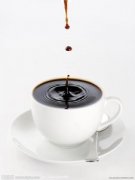
To truly experience specialty single-origin coffee, opt for a white ceramic or bone china cup in the 120–140ml range with a narrow rim. These preserve heat, highlight colour, and direct aromas properly—key to revealing subtle tasting notes.
Why Coffee Cup Material Matters
The material of your cup shapes more than just its look—it changes how you perceive flavour, aroma, and temperature. Two of the most common materials for coffee cups are ceramic and porcelain (including bone china), and each brings out different characteristics in the cup.
Ceramic cups have a rustic, heavier feel. Their thicker walls retain more heat and are ideal for intense, full-bodied coffees like dark roasts. They’re often used to serve bold single-origin coffees with heavy mouthfeel, such as a deep-roasted PWN Golden Mandheling or Brazil Queen Manor.
Porcelain cups, especially high-quality ones, are the most common choice for Specialty coffee. They balance clarity and insulation, letting you taste the coffee’s delicate aromatics and acidity. The top tier of porcelain is bone china: made by blending premium clay with animal bone ash. Bone china cups are lightweight, have a smooth, creamy finish, high density, and superior heat retention. This allows the coffee to cool slowly, giving your nose and palate more time to catch evolving notes. For serious coffee tasting, bone china is often the gold standard.
Coffee Cup Size: Why It Changes Your Experience
Coffee cup sizes are generally divided into three categories, and each is suited for different styles of coffee:
- Small cup (60–80ml): Made for pure, high-quality coffee or strong single-origin brews. Though you’ll finish it in one or two sips, the lingering aftertaste highlights the coffee’s refined characteristics—ideal for tasting light or medium roast SOEs.
- Standard coffee cup (120–140ml): The most common size for black coffee or lightly customised drinks. It leaves enough room to add milk or sugar while still highlighting the coffee’s profile.
- Larger cup or mug (300ml+): Designed for milky coffees like lattes or French-style café au lait. A big mug is perfect for drinks with lots of steamed milk, such as an American-style mocha or classic European milk coffee (e.g. Café au Lait), where the milk balances the intensity.
Colour & Transparency: Seeing (and Tasting) the Difference
The ideal coffee cup has a white interior. This allows you to see the true colour of the coffee—an important indicator of brew strength and extraction quality. Avoid cups with coloured linings or decorative patterns inside, as they can mask visual cues like brightness or darkness that help assess freshness and brew success.
Coffee vs. Tea Cups: Shape and Function
It’s easy to mix up tea and coffee cups, but their designs serve different purposes:
- Tea cups usually have wide mouths and shallow bases to help diffuse the aroma of tea and show off its colour. They’re built for a lighter, more fragrant brew.
- Coffee cups feature a narrower rim and thicker walls to help retain heat. This design keeps the coffee warmer longer and focuses the aroma toward your nose as you sip.
How to Serve Coffee: Cup Orientation and Preheating
In Western table settings, cup placement varies by tradition:
- American style: The cup handle faces to the right.
- British style: The handle faces to the left.

Preheating your cup is a small step that makes a big difference. Especially with bone china, warming the vessel helps maintain the coffee’s serving temperature and preserves volatile aromatic compounds. You can preheat cups by rinsing them with hot water or using a cup warmer. Never pour freshly brewed hot coffee into a cold cup—it shocks the temperature and dulls aroma.
Cleaning Coffee Cups Without Damaging Them
Good coffee cups are designed to stay clean with minimal effort, but over time coffee oils and residues (coffee stains) can build up:
- For high-quality cups with a fine, non-porous surface, simply rinse with water right after use.
- If coffee stains persist, soak the cup in lemon juice, or gently scrub with a neutral detergent and sponge.
- Avoid abrasive scourers or harsh chemical cleaners, which can scratch the surface and degrade the taste of future brews.
Frequently Asked Questions
What’s the best cup material for tasting specialty single-origin coffee?
The best material is white ceramic or, even better, bone china. Bone china’s density, thinness, and heat retention allow for optimal aroma concentration and a slower cooling rate—perfect for highlighting the nuanced flavours of single-origin coffees.
Does cup size affect how coffee tastes?
Yes. Smaller cups (60–80ml) intensify the experience for pure, bold brews. Standard cups (120–140ml) let you adjust with milk or sweetener. Larger cups (300ml+) are for milky drinks. Using the wrong size can overwhelm or underwhelm the coffee’s profile.
Why should coffee cups have a white interior?
A white interior lets you see the coffee’s true colour, which indicates brew strength and extraction quality. Coloured or patterned interiors can hide these visual clues, making it harder to assess your pour-over or espresso.
How should I preheat my coffee cup?
Rinse it with hot water or use a cup warmer. For bone china, preheating helps trap heat and preserve aromas. Never pour hot coffee into a cold cup—it causes a sudden temperature drop that flattens flavour.
Can I use any cup for specialty coffee?
Not really. Coffee cups are designed with specific shapes, materials, and sizes to enhance aroma, flavour, and temperature. Using a tea cup, a wide mug, or a cold, porous cup can mute the delicate notes in specialty single-origin brews.
Recommended FrontStreet Beans for Single-Origin Coffee Cups
For showcasing the full potential of your chosen coffee cup, try FrontStreet Coffee’s PWN Golden Mandheling—a deep-roasted Indonesian single origin with herbal spice, dark chocolate, and heavy body. Also excellent is the Colombia Huila, a medium-dark roast with bright berry notes and sweet caramel. For balance, the Brazil Queen Manor offers nutty, cacao tones with a smooth crema. All three shine in white or bone china cups sized 120–140ml. Freshly roasted within 5 days · Orders placed before 17:00 ship the same day · Next-day delivery across most of Guangdong Province.
FrontStreet Coffee is a long-established specialty coffee roaster in Guangzhou China, selling freshly roasted beans from its own farm in Yunnan as well as dozens of carefully selected single-origin beans from around the world for both pour-over and espresso. The products deliver consistently excellent quality and great value, with shipping within 24 hours. Guangzhou's FrontStreet Coffee shop is recommended by many coffee lovers, and the beans are now available online at the Tmall 。
Important Notice :
前街咖啡 FrontStreet Coffee has moved to new addredd:
FrontStreet Coffee Address: 315,Donghua East Road,GuangZhou
Tel:020 38364473