
"tricky"
406 article(s) found

An introduction to the Salvadoran Coffee producing area in the volcanic Rock producing area of Charantan, Northwest China
El Salvador boutique coffee is concentrated in the volcanic rock producing areas of Santa Ana in the west and Charantanan fruit in the northwest. In recent years, the top 10 cup tests are almost entirely from these two producing areas, with an altitude of about 9-1500 meters, mainly bourbon (68%). Followed by Pacas (29%), mixed-race Pakamara, Dulaai and Kaddura accounted for only 3%. The coffee harvest season has been held since November.

Introduction to the quality characteristics of El Salvador Coffee Bean Flavor description treatment
In El Salvador, the coffee beans rich in the Kuskabapa region are the best, slightly lighter, fragrant, pure and slightly sour. Like Guatemala and Costa Rica, coffee in El Salvador is graded according to altitude, and the higher the altitude, the better the coffee. The best brand is Pip, whose quality has been recognized by the American Organic Certification Society. In addition

A brief introduction to the taste and flavor of Salvadoran coffee
Professional coffee knowledge exchange more coffee bean information please follow the coffee workshop (Wechat official account cafe_style) front street El Salvador Santa Elena Manor washed Pacamara brewing records to share Pacamara varieties for Pacas and Maragogipe artificially cultivated varieties. It was first cultivated by researchers in El Salvador in 1958. The Pacamara species is a rare artificial breeding.

Introduction of coffee from the Santa Ana volcano area of El Salvador with excellent thickness and grease.
El Salvador boutique coffee is concentrated in the volcanic rock producing areas of Santa Ana in the west and Charantanan fruit in the northwest. In recent years, the top 10 cup tests are almost entirely from these two producing areas, with an altitude of about 9-1500 meters, mainly bourbon (68%). Followed by Pacas (29%), mixed-race Pakamara, Dulaai and Kaddura accounted for only 3%. The coffee harvest season has been held since November.

Visit Costa Rican Coffee Manor Costa Rica Coffee beans from planting to picking and packing
Professional barista communication please follow the coffee workshop (Wechat official account cafe_style) Volcn Pos (Boas volcano) is located in the middle of Costa Rica (Costa Rica), about 33 kilometers from the capital, is an active volcano, 2708 meters above sea level, a total of 39 eruptions since 1828. I joined a Volcn Pos one-day tour at a hotel in the capital.

How to bake Yemeni coffee beans pay attention to Yemeni coffee beans
Professional coffee knowledge exchange more coffee bean information Please follow the coffee workshop (Wechat official account cafe_style) A coffee expert once said: the taste of Yemeni mocha is too diverse, not only different origin, different tree species, different batches are different, each sack, and even each cup of flavor is different. Because of his complexity and variety, for coffee roasters, how to bake

Introduction to the flavor and taste of Salvadoran coffee manor
Pacamara is the artificial breeding variety of Pacas and Maragogipe. It was first cultivated by researchers in El Salvador in 1958. Pacamara is an excellent variety under rare artificial breeding, which is better than blue, and perfectly inherits the advantages of the mother plant. It not only has the excellent taste of Pacas, but also inherits the large size of Maragogipe, and the bean body is at least like beans.

Description of taste and flavor of coffee beans grown in Incht Manor, Guatemala
Description of the growing environment of coffee beans at Incht Manor in Guatemala the taste and flavor was first cultivated by researchers in El Salvador in 1958. Pacamara is an excellent variety under rare artificial breeding, which is better than blue, and perfectly inherits the advantages of the mother plant. It not only has the excellent taste of Pacas, but also inherits the large size of Maragogipe, and the bean body is at least like beans.

An introduction to the Salvadoran Coffee producing area in the volcanic Rock producing area of Charantan, Northwest China
El Salvador boutique coffee is concentrated in the volcanic rock producing areas of Santa Ana in the west and Charantanan fruit in the northwest. In recent years, the top 10 cup tests are almost entirely from these two producing areas, with an altitude of about 9-1500 meters, mainly bourbon (68%). Followed by Pacas (29%), mixed-race Pakamara, Dulaai and Kaddura accounted for only 3%. The coffee harvest season has been held since November.

El Pacamara Coffee Flavor Description Processing Method Grinding Scale Introduction to the region of production
El Pacamara Coffee Flavor Description Processing Method Grinding Scale Production Area Introduction Don't underestimate El Pacamara coffee production In its heyday, it was the fourth largest coffee producer in the world, but decades of civil war almost brought down the coffee industry. Fortunately, the war stopped in recent years and the coffee industry recovered. The only benefit of the civil war for the Salvadoran State was that the peasants were left without land.

Introduction to the Grinding scale treatment of Coffee beans in Mercedes Manor in El Salvador
In El Salvador, the coffee beans rich in the Kuskabapa region are the best, slightly lighter, fragrant, pure and slightly sour. Like Guatemala and Costa Rica, coffee in El Salvador is graded according to altitude, and the higher the altitude, the better the coffee. The best brand is Pip, whose quality has been recognized by the American Organic Certification Society. In addition

Introduction to the baking degree of the flavor description of the Salvadoran coffee variety specializing in Central America
Features of Salvadoran coffee: Salvadoran coffee is a specialty of Central America, where coffee is light, fragrant, pure and slightly sour. Flavor: balanced taste, good texture recommended roasting method: medium to deep, there are many uses ★: general Salvadoran coffee market: the best quality Salvadoran coffee is exported from January to March, 35% of the extra hard beans are exported to Germany. nineteen
Taste characteristics of Salvadoran coffee varieties
Professional coffee knowledge exchange more coffee bean information please follow the coffee workshop (Wechat official account cafe_style) front street-Salvadoran coffee varieties introduction first cultivated by Salvadoran researchers in 1958. Pacamara is a rare excellent variety under artificial breeding, which is better than blue, and perfectly inherits the advantages of the mother plant. It not only has the excellent taste of Pacas species, but also has a good taste.

Flavor description of El Qomolangma Coffee introduction to the regional treatment of taste varieties
Pacamara is the artificial breeding variety of Pacas and Maragogipe. It was first cultivated by researchers in El Salvador in 1958. Pacamara is an excellent variety under rare artificial breeding, which is better than blue, and perfectly inherits the advantages of the mother plant. It not only has the excellent taste of Pacas, but also inherits the large size of Maragogipe, and the bean body is at least like beans.

Sweet and sour passion fruit Pacamara coffee bean flavor description characteristics introduction to the quality of Guatemala
[cup test report] dry aroma: spices, passion fruit, hazelnut nuts, berry wet aroma: nut chocolate, passion fruit sour and sweet, cream chocolate, strawberry aftertaste, nuts. [sips]: the entrance is very delicate and silky, and the clear and soft acidity slides across the tongue, as quiet and soft as all Pacamara characteristics. Interrupt the fresh acidity of wild berries and the nutty aromas of hazelnuts

Coffee cultivation at an altitude of about 900-1500 meters El Salvador La Traviata estate variety cultivation market ring
Generally speaking, Salvadoran coffee inherits the mild quality of Central American coffee, which is soft, slightly sour and has a good sweetness. At the same time, it has its own characteristics: aromatic taste slightly sour, very soft; pure without impurities, taste balance is excellent; smooth feeling like cream chocolate is impressive; coffee in the mouth that kind of dense feeling makes coffee have deep
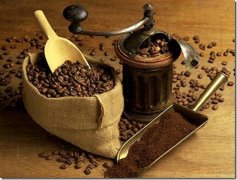
The origin of coffee tells you how coffee was discovered.
When you are holding a cup of coffee and tasting the fragrance, have you ever wondered where the coffee comes from? With this question, you may look at the rumbling coffee machine behind the counter, and the dark brown liquid is slowly flowing into the coffee cup. You shake your head indefinitely and then look at the shiny and black coffee beans used for display, and you can imagine them being ground and roasted.

Brief introduction of Salvadoran Coffee Variety
Professional coffee knowledge exchange more coffee bean information please follow the coffee workshop (Wechat official account cafe_style) front street Salvadoran olive manor coffee introduction El Salvador is known as the country of volcanoes, volcanic soil makes quality coffee trees, but also makes Salvadorans and coffee interdependent. Geographically, El Salvador lies between Honduras and Guatemala, and to the south is

Boutique Coffee Ataisi Manor in El Salvador, America, Micro-batch washing Pacamara Pacamara
Country: El Salvador Grade: SHG production area: Izalco area, Sonsonate Province, planting height: 1800 m picking season: January treatment: washing fermentation, sun drying varieties: Pacamara Manor: Finca Ataisi flavor: nut chocolate, passion fruit, cream, strawberry El Salvador is located in Central America, bordering Guatemala and Honduras in the north and west.

El Salvador boutique coffee producing area-Santa Ana in the west and Charantan fruit volcanic rocks in the northwest
El Salvador boutique coffee is concentrated in the volcanic rock producing areas of Santa Ana in the west and Charantanan fruit in the northwest. In recent years, the top 10 cup tests are almost entirely from these two producing areas, with an altitude of about 9-1500 meters, mainly bourbon (68%). Followed by Pacas (29%), mixed-race Pakamara, Dulaai and Kaddura accounted for only 3%. The coffee harvest season has been held since November.