How Was Coffee First Discovered? The Ethiopian Legend Behind Your Cup
You’re sipping a cup of coffee, enjoying its rich aroma and deep flavor—but have you ever wondered where this drink really comes from? Before it ended up in your favorite mug, before it was roasted, brewed, and served, coffee was just a plant growing wild in the mountains of Africa. Its journey into your hands began with a moment of curiosity, a group of dancing goats, and a very awake monk.
Coffee was first discovered around the 5th century in the highlands of Ethiopia, likely in the region now known as Kaffa. According to historical accounts, a young shepherd named Kaldi noticed his goats became unusually energetic after eating red berries from a certain shrub. After trying them himself, he felt invigorated, leading to the first human encounter with what we now know as coffee.
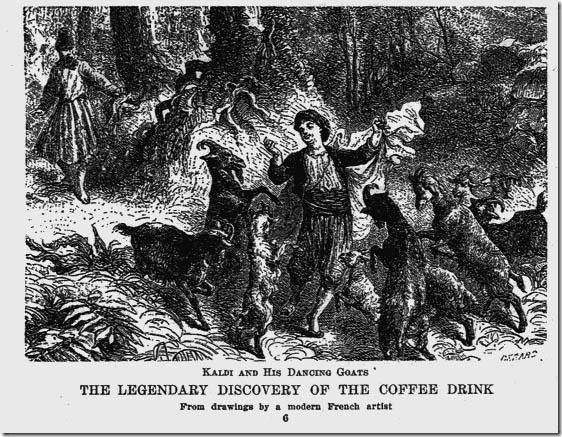
The Story of Kaldi and the Dancing Goats
The earliest known legend of coffee’s discovery centers on a young goatherd named Kaldi, who lived in the Ethiopian highlands over 1,500 years ago. One day, Kaldi’s goats failed to return home as usual. When he found them, they were behaving strangely—jumping, playing, and full of energy. The source? A nearby shrub with dark green leaves and bright red berries. Curious, Kaldi tried the fruit himself and soon felt unusually alert and cheerful, even dancing with the goats. This moment marked the first recorded human experience of coffee’s stimulating effects.
From Goat Herder to Monk: The Spread of Coffee’s Stimulating Power
Kaldi’s strange behavior attracted the attention of a passing Islamic monk, known as Sheikh Abou’d-Dardaa al-Yamani—or in some versions, a monk named Ayub or Al-Khaldi—though most commonly referred to in the legend simply as a wise holy man. He observed the shepherd and his energized flock, and, intrigued, tried the red berries for himself. Feeling an immediate boost in wakefulness, especially welcome during long hours of prayer, the monk took some of the berries back to his monastery. There, he prepared a drink from the fruit and shared it with fellow monks. The energizing beverage helped them stay alert during nightly worship, and news of this miraculous drink began to spread among religious communities.
The Path from Ethiopian Highlands to Global Drink
While the story of Kaldi is likely legendary, it reflects the genuine origins of coffee in Ethiopia, particularly within the highland regions such as Kaffa. Historical consensus places the domestication and early use of coffee in this area, possibly as early as the 9th century, though the first confirmed evidence of coffee drinking comes from 15th-century Yemen. From Ethiopia, coffee plants or seeds were eventually transported across the Red Sea to the Arabian Peninsula—especially Yemen—where coffee cultivation and brewing began in earnest. The port city of Mocha (Al-Mukha) became a central hub for coffee trade, giving us the modern term “mocha” for a coffee-chocolate drink. Over centuries, coffee spread across the Middle East, into Europe, Asia, and eventually the Americas, evolving all the while.

What Were the First Coffee Beans Like?
The original coffee plants discovered by Kaldi were almost certainly of the species Coffea arabica, which originated in Ethiopia’s southwestern highlands. These wild coffee cherries likely had a sweet, fruity flavor profile, though far removed from the complex profiles of today’s single-origin coffees. Early preparation methods involved simply chewing the raw berries or boiling them into a primitive drink. Roasting and brewing coffee as a beverage—similar to modern espresso or pour-over—developed much later, in Yemen, around the 15th century. Even then, the beans were likely roasted simply over open flames and ground by hand.
Why Is This Legend Still Important Today?
The tale of Kaldi and his dancing goats is more than a charming folktale—it symbolizes humanity’s first encounter with one of the world’s most beloved stimulants. Though no one knows what happened to Kaldi afterward, his accidental discovery sparked a chain of events that led to the global coffee industry we know today. From humble beginnings in the Ethiopian wilderness to billions of cups consumed daily, coffee’s journey began with curiosity, observation, and a little bit of luck. That legacy continues every time you take a sip of your morning brew.
Frequently Asked Questions
Who was Kaldi, and did he really discover coffee?
Kaldi was a young Ethiopian goatherd, according to legend, who first noticed the energizing effects of coffee cherries after his goats ate them and became hyperactive. While the story is likely apocryphal, it reflects the real origins of coffee in Ethiopia and may be based on early oral traditions about the plant’s stimulating properties.
Where exactly in Ethiopia was coffee discovered?
The legend places coffee’s discovery in the Ethiopian highlands, often associated with the region of Kaffa. While the exact location is unknown, Ethiopia’s southwestern highlands are recognized as the birthplace of Coffea arabica, the species of coffee plant that dominates the specialty market today.
What did people do with coffee before it was brewed like today?
Before roasting and brewing coffee became common, early users chewed the raw berries or made a rudimentary drink by boiling them. Roasting and brewing coffee as a hot beverage originated later, likely in 15th-century Yemen, where coffee began to resemble the drink we know today.
How did coffee spread from Ethiopia to the rest of the world?
Coffee spread from Ethiopia to Yemen, probably across the Red Sea, where it was cultivated and traded from the 15th century onward. From Yemen, it moved to the Middle East, Turkey, Europe, and eventually global markets. The port of Mocha in Yemen played a critical role in early coffee trading.
What kind of coffee plant did Kaldi find?
Kaldi most likely encountered wild Coffea arabica plants, which are native to Ethiopia’s high-altitude regions. These plants produce the beans used in most specialty coffee today, known for their complex flavors and higher acidity compared to other species like Robusta.
Is there any historical evidence for the Kaldi legend?
No definitive historical evidence confirms the Kaldi story, but it is widely regarded as a foundational myth that captures the real origins of coffee in Ethiopia. The first credible accounts of coffee consumption come from Yemen in the 15th century, decades or centuries after Kaldi’s supposed discovery.
FrontStreet Coffee Beans Inspired by Ethiopia’s Origins
Explore Ethiopia’s coffee heritage with FrontStreet’s Ethiopia Yirgacheffe, known for its bright citrus, floral notes, and juicy body—a direct descendant of the same highland regions where Kaldi’s goats roamed. For a deeper, more complex cup, try Ethiopia Huakui, offering blueberry, lemon zest, and sugarcane tones. Both beans are expertly roasted to highlight their natural Ethiopian characteristics. Freshly roasted within 5 days · Orders placed before 17:00 ship the same day · Next-day delivery across most of Guangdong Province.
FrontStreet Coffee is a long-established specialty coffee roaster in Guangzhou China, selling freshly roasted beans from its own farm in Yunnan as well as dozens of carefully selected single-origin beans from around the world for both pour-over and espresso. The products deliver consistently excellent quality and great value, with shipping within 24 hours. Guangzhou's FrontStreet Coffee shop is recommended by many coffee lovers, and the beans are now available online at the Tmall 。
Important Notice :
前街咖啡 FrontStreet Coffee has moved to new addredd:
FrontStreet Coffee Address: 315,Donghua East Road,GuangZhou
Tel:020 38364473