
"unaffected"
112 article(s) found

The small universe in the coffee is all-inclusive.
How many substances does a cup of coffee contain? Coffee extracted by traditional and common methods such as hand brewing, Syphon, French pressure, etc., contains more than 200 minutes of substances, while when using a steam purging coffee machine and household mocha pot, because of its special extraction method, 1500 traits can be extracted in an instant. Unexpectedly, there are so many things in a glass of tasty water.

Korean coffee brands run by cafes are caught in the storm of "frequent closures"
Caffe bene, a coffee brand from South Korea, closes its shop frequently and faces operational difficulties. The news stems from revelations from its internal employees to the media: coffee accompanies you due to poor management, the Chinese company is now frantically closing stores across the country, and there are a series of problems, such as arrears of wages, arrears of suppliers for goods, deceiving franchisees and so on. The employee said that the wages of most employees in October have not yet been paid.
Korean coffee brands are caught in the storm of "shop closure". Hangzhou Cafe is facing reshuffle.
Caffe bene, a coffee brand from South Korea, closes its shop frequently and faces operational difficulties. The news stems from revelations from its internal employees to the media: coffee accompanies you due to poor management, the Chinese company is now frantically closing stores across the country, and there are a series of problems, such as arrears of wages, arrears of suppliers for goods, deceiving franchisees and so on. The employee said that the wages of most employees in October have not yet been paid.
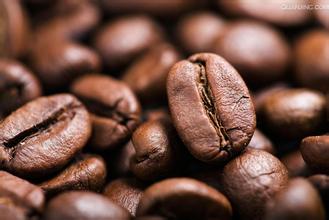
The small universe in coffee is all-inclusive. What are the substances in coffee beans in detail?
How many substances does a cup of coffee contain? Coffee extracted by traditional and common methods such as hand brewing, Syphon, French pressure, etc., contains more than 200 minutes of substances, while when using a steam purging coffee machine and household mocha pot, because of its special extraction method, 1500 traits can be extracted in an instant. Unexpectedly, there are so many things in a glass of tasty water.

2016 Shanghai Restaurant chain joining and Digital Management Exhibition
2016 Shanghai Catering chain joining and Digital Management Exhibition 2016 Shanghai restaurant chain and Digital managementThe exhibition Exhibition time: August 25-27, 2016 Exhibition venue: Shanghai New International Expo Center (2345 Longyang Road) organizer: China Hotel Association Asian good Food Alliance organizer: Shanghai New Heritage Exhibition

The basic chemical reaction of coffee knowledge during coffee roasting.
Many thermal and chemical reactions take place during baking: decarbonation, dehydration of quinic acid, subdivision, isomerization, polymerization, and complex sugar reactions (caramelization). The main components of the thermal reaction are monosaccharides and sucrose, chlorogenic acid, free amino acids, and fenugreek amide. Both aravinose and calactose in the polysaccharides are transferred, and the basic vulcanization process includes hydroxylamine.

Which kind of hanging-ear coffee tastes good in 2018? is it expensive? what kind of milk does hanging-ear coffee have?
Professional coffee knowledge exchange more coffee bean information please follow the coffee workshop (Wechat official account cafe_style) hanging ear coffee brand recommendation, after all, bear hardships as well as spicy, need to practice slowly. First Amway three are more suitable for the first time to drink coffee bitter entry-level hanging ear fish, Fushan, Qianjie. 1. Fish blue mountain flavor 6.4 / cup fish started to hang ears in 2015.
How does the sour and bitter in coffee come from?
Many thermal and chemical reactions take place during baking: decarbonation, dehydration of quinic acid, subdivision, isomerization, polymerization, and complex sugar reactions (caramelization).
Basic chemical reactions that occur during coffee roasting
Many thermal and chemical reactions take place during baking: decarbonation, dehydration of quinic acid, fragmentation, isomerization, polymerization, and complex sugar reactions (caramelization). The main thermally reactive components are monosaccharides and sucrose, chlorogenic acid, displaced amino acids, and trigonelline amide. Both aravinone and calactose in polysaccharides are transferred, and basic sulfurization contains hydroxyamino acids.
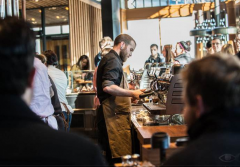
Ignore these six points and don't open a cafe.
Running a coffee shop is not an easy task. All aspects of the coffee shop need to be taken care of by the boss. What should you do if you are new to the coffee field and lack relevant experience? Don't be afraid, the old driver of the cafe will show us the way. There are at least six aspects that cannot be ignored in the operation of cafes. 1. Readjust your position as soon as possible. The boss is preparing the coffee.
The basic chemical reaction of coffee roasting process
Many thermal and chemical reactions take place during baking: decarbonation, dehydration of quinic acid, subdivision, isomerization, polymerization, and complex sugar reactions (caramelization). The main components of the thermal reaction are monosaccharides and sucrose, chlorogenic acid, free amino acids, and fenugreek amide. Both aravinose and calactose in the polysaccharides are transferred, and the basic vulcanization contains hydroxylated amino acid.
The basic chemical reaction that takes place during coffee roasting.
Many thermal and chemical reactions take place during baking: decarbonation, dehydration of quinic acid, subdivision, isomerization, polymerization, and complex sugar reactions (caramelization). The main components of the thermal reaction are monosaccharides and sucrose, chlorogenic acid, free amino acids, and fenugreek amide. Both aravinose and calactose in the polysaccharides are transferred, and the basic vulcanization process includes hydroxylamine.

The basic chemical reactions that take place during coffee roasting
Many thermal and chemical reactions take place during baking: decarbonation, dehydration of quinic acid, subdivision, isomerization, polymerization, and complex sugar reactions (caramelization). The main components of the thermal reaction are monosaccharides and sucrose, chlorogenic acid, free amino acids, and fenugreek amide. Both aravinose and calactose in the polysaccharides are transferred, and the basic vulcanization process includes hydroxylamine.
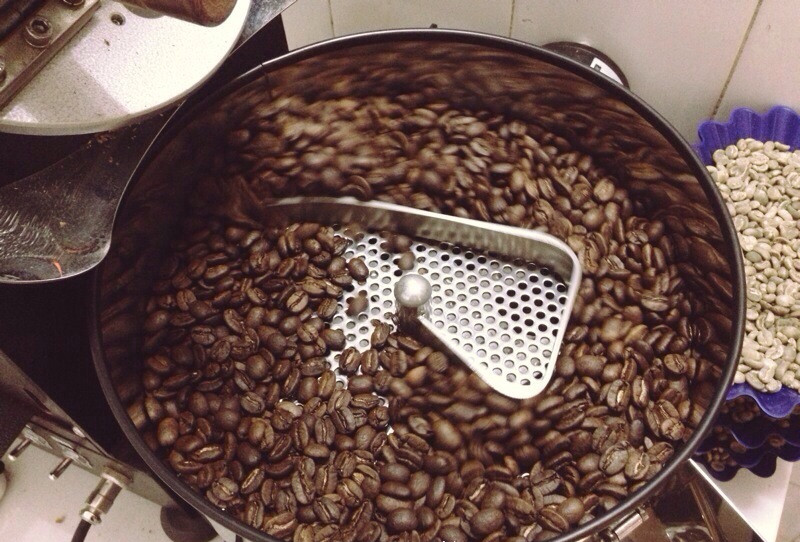
Basic chemical reactions of coffee beans during coffee roasting
Many thermal and chemical reactions take place during baking: decarbonation, dehydration of quinic acid, subdivision, isomerization, polymerization, and complex sugar reactions (caramelization). The main components of the thermal reaction are monosaccharides and sucrose, chlorogenic acid, free amino acids, and fenugreek amide. Both aravinose and calactose in the polysaccharides are transferred, and the basic vulcanization process includes hydroxylamine.
The basic chemical reactions that take place during coffee roasting
Many thermal and chemical reactions take place during baking: decarbonation, dehydration of quinic acid, subdivision, isomerization, polymerization, and complex sugar reactions (caramelization). The main components of the thermal reaction are monosaccharides and sucrose, chlorogenic acid, free amino acids, and fenugreek amide. Both aravinose and calactose in the polysaccharides are transferred, and the basic vulcanization process includes hydroxylamine.
The basic chemical reactions that take place during coffee roasting.
Many thermal and chemical reactions take place during baking: decarbonation, dehydration of quinic acid, subdivision, isomerization, polymerization, and complex sugar reactions (caramelization). The main components of the thermal reaction are monosaccharides and sucrose, chlorogenic acid, free amino acids, and fenugreek amide. Both aravinose and calactose in the polysaccharides are transferred, and the basic vulcanization process includes hydroxylamine.
The basic chemical reaction of coffee technology in the process of coffee roasting
Many thermal and chemical reactions take place during baking: decarbonation, dehydration of quinic acid, subdivision, isomerization, polymerization, and complex sugar reactions (caramelization). The main components of the thermal reaction are monosaccharides and sucrose, chlorogenic acid, free amino acids, and fenugreek amide. Both aravinose and calactose in the polysaccharides are transferred, and the basic vulcanization process includes hydroxylamine.
The basic chemical reaction that takes place during coffee roasting.
Basic chemical reactions that occur during coffee roasting author: Carl Staub originates from the SCAA baking color classification system, developed by Agtron SCAA 1995 original text from: http://www.sweetmarias.com/roast.carlstaub.html translation: Grant, http://www.baristacn.com/forum/thread-1583-1-1.html in the roasting process
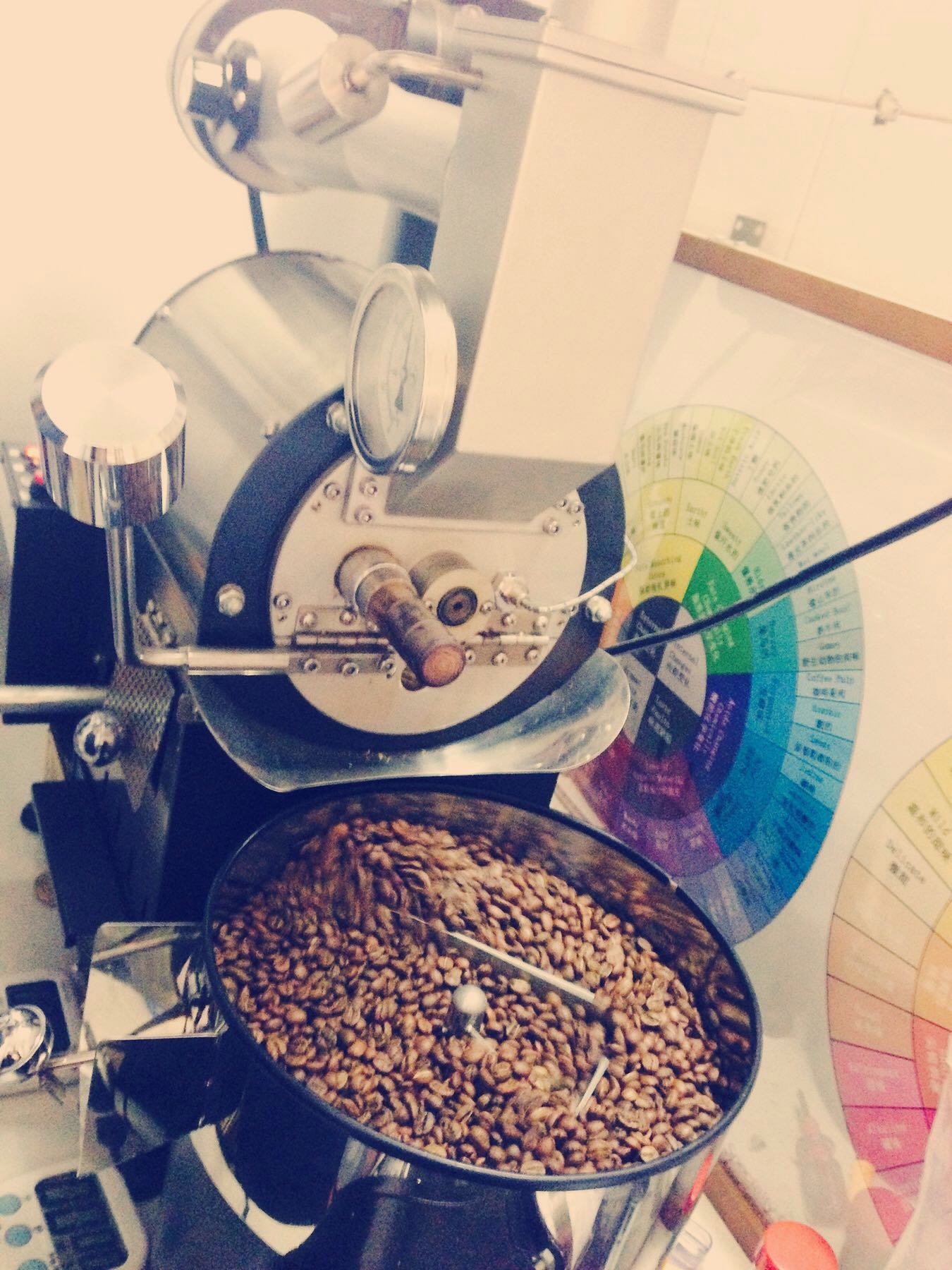
Key points of coffee roasting techniques: basic chemical reactions that take place during coffee roasting
Basic chemical reactions that occur during coffee roasting author: Carl Staub originates from the SCAA baking color classification system, developed by Agtron SCAA 1995 original text from: http://www.sweetmarias.com/roast.carlstaub.html translation: Grant, http://www.baristacn.com/forum/thread-1583-1-1.html in the roasting process
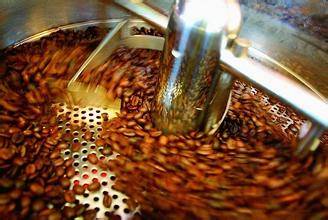
The basic chemical reaction that occurs during coffee roasting. The ingredients produced by the degree of coffee roasting.
Basic chemical reactions that occur during coffee roasting author: Carl Staub originates from the SCAA baking color classification system, developed by Agtron SCAA 1995 original text from: http://www.sweetmarias.com/roast.carlstaub.html translation: Grant, http://www.baristacn.com/forum/thread-1583-1-1.html in the roasting process