
"val"
150 article(s) found

Introduction of the delicious and light Venezuelan coffee producing area of San Cristobal
One of the many plantations in Merida at the foot of the Andes belongs to the Pablo and Pulido families, an ancient farm that has been allowed to downsize. Since taking over the farm in the early 1980s, the Pulido family has harvested coffee from existing bourbon coffee trees and planted new tree species.

Sour and sweet Ecuadorian boutique Galapagos coffee San Cristobal
Flavor: taste rich, sour and sweet suggested baking method: medium roasting ★★★: excellent Galapagos Islands Coffee Market: due to the unique role of the Galapagos Islands in the historical process, the Ecuadorian government has turned the Galapagos Islands into a national park, no longer allowed to reclaim the land for new agricultural land, and strictly forbids the introduction and use of chemical fertilizers, pesticides and herbicides

Rich and delicious fruit-flavored Venezuelan coffee from San Cristobal
The Caracas Zhouyuan area, once famous for its coffee, has resumed production. In addition, the Jean and AndresBoulton plantations in the Turgua region also grow Tippica coffee trees. The characteristics of Venezuelan coffee: the taste of Venezuelan coffee is different from other coffee in Latin America. It is delicious, light and better than traditional coffee.

Delicious and light Venezuelan coffee beans from San Cristobal area
Venezuelan Coffee Coffee Venezuela's distinctive manor coffee comes from this oil-rich country. Oil was once considered to be the main export of Venezuela. Although coffee trees were introduced from Martinique in 1730 and Venezuela, coffee production was almost abandoned at the height of the oil industry. Recently, coffee plantations have begun to resume.
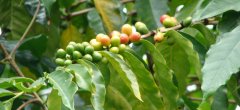
Venezuela is grown in San Cristobal Montibelo Coffee in Tazira.
The distinctive manor coffee comes from this oil-rich country. Oil was once considered to be the main export of Venezuela. Although coffee trees were introduced from Martinique in 1730 and Venezuela, coffee production was almost abandoned at the height of the oil industry. Recently, coffee plantations have begun to recover, with the original planting of Tipica and

The delicious and light Venezuelan coffee producing area introduces San Cristobal
One of the many plantations in Merida at the foot of the Andes belongs to the Pablo and Pulido families, an ancient farm that has been allowed to downsize. Since taking over the farm in the early 1980s, the Pulido family has harvested coffee from existing bourbon coffee trees and planted new tree species.

The San Cristobal producing area of the coffee farm in Venezuela
Venezuelan Coffee Coffee Venezuela's distinctive manor coffee comes from this oil-rich country. Oil was once considered to be the main export of Venezuela. Although coffee trees were introduced from Martinique in 1730 and Venezuela, coffee production was almost abandoned at the height of the oil industry. Recently, coffee plantations have begun to resume.

Venezuelan coffee flavor producing areas introduce boutique coffee San Cristobal
The coffee produced in Venezuela is different from other coffee in Latin America. It tastes delicious, sour and has delicious fruit. This kind of coffee is most suitable for medium to deep roasting, which can not only be mixed but also has its own characteristics. Most of the country's coffee is exported to Russia, Colombia and other places, and some small plantations export coffee on their own. Among the many industries, Venezuela's

Introduction to the characteristics of taste varieties produced by the grinding treatment of Savaldo coffee beans
El Salvador coffee bean flavor description well-known representative coffee: El Salvador (El Salvador) El Salvador is a highland terrain, is the smallest country in Central America, flanked by Guatemala and Honduras. Because there are two parallel mountains in the country, the volcanic soil is rich in minerals, which makes El Salvador suitable for planting.

Ecuador ES Coffee-San Cristobal, Ecuador
Ecuador ES coffee Ecuador South America famous brand, Ecuador A grade coffee, has a large state-run seed value garden; 100% from the 1300-2000 meters high natural vegetation zone, popular in Europe and the United States, with supermarket prices to taste the exquisite world-class Arabica Arabica flavor. ES Coffee is a clean organic coffee grown on the slopes of the Andes in Latin America. It's one percent.

Introduction of Galapagos Coffee Bean producing area-San Cristobal
St. Cristobal is a larger island in the Galapagos Islands (Galapagos Islands) and the only one in the archipelago with plenty of fresh water. At an altitude of 410m, there is a small lake called El.Junco. Several streams flow along the rocks and volcanic rocks on the southern slope of the island. Shengke is nourished by mineral-rich fresh water.

Galapagos Coffee San Cristobal area of excellent quality
In 1875, the Ecuadorian native Ma Covos planted about 100 hectares of Arabian bourbon coffee trees at the Hasunda Coffee Garden (Hacienda El Cafetal) in San Cristobal. The elevation of the plantation is between 140m and 275m, and the climate in this area is equivalent to that of 910m to 1830 m inland. This gradient is very suitable for super hard coffee with high acidity.

Unique aroma of Ecuadorian coffee Arabica coffee tree
St. Cristobal is a larger island in the Galapagos archipelago. At 410m above sea level, there is a small lake called El.Junco, which forms streams along the rocks and volcanic rocks on the southern slope of the island. Mineral-rich fresh water moistens the land of St. Cristobal, keeping the soil moist and fertile. For here.

The characteristics of Venezuelan coffee the present situation of the manor San Cristobal
The distinctive manor coffee comes from this oil-rich country. Oil was once considered to be the main export of Venezuela. Although coffee trees were introduced from Martinique in 1730 and Venezuela, coffee production was almost abandoned at the height of the oil industry. Recently, coffee plantations have begun to recover, with the original planting of Tipica and

Introduction to San Cristobal from coffee growing areas in Ecuador
As the world coffee industry is moving towards a targeted mass production model, a small and uncertain coffee industry like St. Cristobal is in trouble and may eventually be forced to give up without profit. In the early 1990s, however, the Gonzalez family bought Hasunda Coffee Park. Local caused by the Humboldt current (Humboldt Current)

Machine beans, flowers and fruits, caramel fragrant Ecuadorian coffee producing area of San Cristobal
The coffee beans produced in Ecuador's Galapagos Islands are organic coffee beans, thanks to the unique ecological environment such as volcanic soil and microclimate, coupled with the fact that they do not use any chemical fertilizers or pesticides, they are recognized as natural green boutique coffee. this naturally grown coffee has a mild taste with a hint of flowers and fruit and caramel. It is understood that the Galapagos Islands are far from Eritrea.

Valma Manor, Guatemala Finca Valmar introduction to Valma Manor in Koban Rain Forest producing area
For the exchange of professional baristas, please follow the Coffee Workshop (official Wechat account cafe_style) Manor Valma is located in the Copan region of Guatemala, a perfect producing area with steep mountains, verdant rain forests and charming floral scent, including an unspoiled natural environment and a unique microclimate. The comparison between the high-altitude mountains and the high-humidity tropical rain forest makes the place more humid.

Introduction of coffee beans in San Cristobal area
One of the many plantations in Merida at the foot of the Andes belongs to the Pablo and Pulido families, an ancient farm that has been allowed to downsize. Since taking over the farm in the early 1980s, the Pulido family has harvested coffee from existing bourbon coffee trees and planted new tree species.

The thickness of coffee the water powder ratio of ground coffee to the reference roasting degree of steaming time
Professional coffee knowledge exchange more coffee bean information Please follow the coffee workshop (Wechat official account cafe_style) Grinding coffee beans is the first step in brewing coffee, but it is also a step that many people are easy to fail, either too fine or too thick, indirectly affecting the taste of the coffee. To accurately grasp the size of coffee powder, it is recommended to use an electric bean grinder that can adjust the scale.

Introduction to the flavor and taste characteristics of Ecuadorian coffee in San Cristobal
St. Cristobal is a larger island in the Galapagos archipelago. At 410m above sea level, there is a small lake called El.Junco, which forms streams along the rocks and volcanic rocks on the southern slope of the island. Mineral-rich fresh water moistens the land of St. Cristobal, keeping the soil moist and fertile. For here.