
"woodland"
466 article(s) found

Description of Coffee Flavor of Katim Coffee in Yunnan Province, China
The method of describing the flavor of boutique coffee beans in Katim, Yunnan, China introduces the selection of suitable forest land with an annual average temperature of 19-21 ℃ years, the accumulated temperature of 10 ℃ per year is more than 6800 ℃, the coldest monthly average temperature is 11.5 ℃, the absolute lowest temperature is above 1 ℃, the coldest monthly average temperature is 11.5 ℃, the monthly average temperature of 13 ℃ is more than two months, the extremely lowest general year is above 0 ℃, and some years appear-1 ℃.

Characteristics of Katim Coffee Bean Flavor and Taste Variety production area treatment method Manor Baking degree Grinding degree introduction
The annual average temperature is 19-21 ℃ years, the accumulated temperature of 10 ℃ is more than 6800 ℃, the coldest monthly average temperature is 11.5 ℃, the absolute lowest temperature is above 1 ℃, the coldest monthly average temperature is 11.5 ℃, the monthly mean temperature of 13 ℃ is more than two months, the extremely lowest general year is more than 0 ℃, and some years appear-1 ℃ or short-2 ℃. Below 1200m above sea level, annual rainfall 1100mm; soil

Katim Coffee Bean Flavor description introduction to the manor of the region where the varieties are produced
Katim Coffee Bean Flavor description Variety production area treatment Manor introduces the field management measures suitable for the management of general small-grain coffee. Propagation method: adopt seed propagation, select 5-year-old fine mother tree, harvest fully mature, fruit shape is normal, full, size is basically the same, with two-seed fruit as seed, using sand bed to promote germination, plastic bag seedling. Selection of suitable forest land
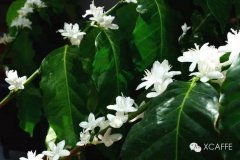
What Ethiopian coffee is grown in Ethiopia Manor?
The coffee-producing region of Ethiopia is divided into east and west parts by the East African Rift Valley, with lakes, volcanoes, lowlands, plateaus and woodlands interlaced, each evolving. Ethiopia has the most diverse coffee ecosystem in the world (forest coffee, semi-forest coffee, pastoral coffee and plantation coffee), which also preserves its rich Arabica genes. The eastern half is mostly plateaus, coffee beans.

Are there more than 600 coffee farms in Hawaii?
Although coffee trees are grown commercially on all the islands of Hawaii, the Big Island currently has the largest number of coffee farms, with about 650, but these coffee farms are relatively small, adding up to less than 2000 acres of planted woodland, while there are only 25 coffee farms operating on Maui, Molokai, Oahu and Kauai.

Introduction of flavor and taste characteristics of Salvadoran coffee beans
The country has 10 per cent forest cover, of which more than 80 per cent is natural shaded woodland, which is ideal for the planting of coffee trees (shade grown coffee), which is very important for the Central American ecological corridor (Central American Biological Corridor). But in 1970, a serious coffee leaf rust spot (coffee leaf rust disease) occurred in order to

Katim Coffee Bean Flavor description method introduction to the characteristics of varieties and the degree of taste grinding
The method of describing the flavor of Katim coffee beans introduces that the field management measures are suitable for the management of general small-grain coffee. Propagation method: adopt seed propagation, select 5-year-old fine mother tree, harvest fully mature, fruit shape is normal, full, size is basically the same, with two-seed fruit as seed, using sand bed to promote germination, plastic bag seedling. Selection of suitable forest land the annual average temperature is 19: 21 ℃

Djimmah is medium in texture and rugged with earthy Ethiopian boutique coffee beans.
The coffee-producing region of Ethiopia is divided into east and west parts by the East African Rift Valley, with lakes, volcanoes, lowlands, plateaus and woodlands interlaced, each evolving. Ethiopia has the most diverse coffee ecosystem in the world (forest coffee, semi-forest coffee, pastoral coffee and plantation coffee), which also preserves its rich Arabica genes. The eastern half is mostly plateaus, coffee beans.
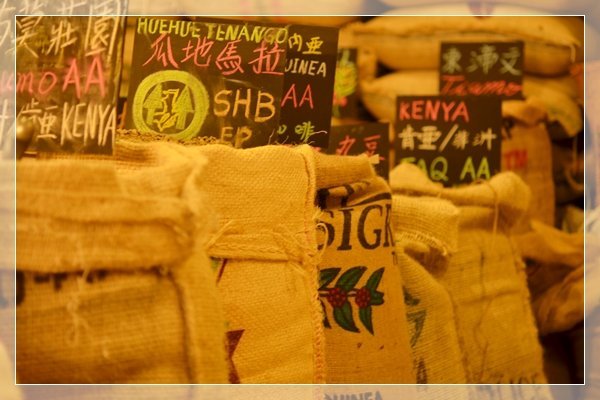
Ethiopia-Ghimbi, Sidamo, Harar and Yegashefi
Ethiopia's coffee-producing areas are divided into east and west parts by the Great Rift Valley. Lakes, volcanoes, lowlands, plateaus and woodlands alternate and evolve independently. Ethiopia has the most diverse coffee ecosystem in the world (forest coffee, semi-forest coffee, pastoral coffee and plantation coffee), which also allows it to preserve its rich Arabica genes. The eastern half is mostly plateau, coffee beans
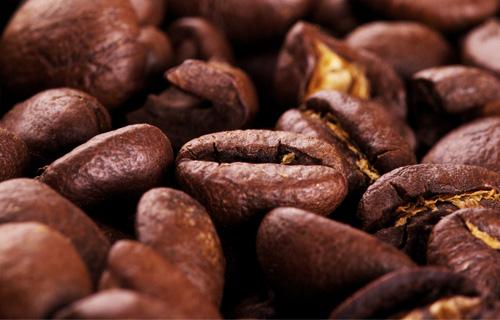
Katim Coffee characteristics, Katim Coffee planting
Follow Kaiping (Wechat official account vdailycom) found that the beautiful cafe opened its own shop with 3846 seeds per kilogram when it was cool in the sun for two months. There were about 5000 seeds in cool sun for 5 months, the germination rate was more than 95% in two months after seed production, 85% in three months, became weak after three months, and most seeds lost their germination rate after six months. Resistance to leaf rust
Harald (Harar) Berry delightfully fermented mixed flavors in the Eastern Highlands of Ethiopia
The coffee-producing region of Ethiopia is divided into east and west parts by the East African Rift Valley, with lakes, volcanoes, lowlands, plateaus and woodlands interlaced, each evolving. Ethiopia has the most diverse coffee ecosystem in the world (forest coffee, semi-forest coffee, pastoral coffee and plantation coffee), which also preserves its rich Arabica genes. The eastern half is mostly plateaus, coffee beans.
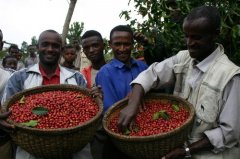
Jasmine tea, which is preferred by Ghimbi growers as a composite bean material, is fragrant and bitter
Ethiopia's coffee-producing areas are divided into east and west parts by the Great Rift Valley. Lakes, volcanoes, lowlands, plateaus and woodlands alternate and evolve independently. Ethiopia has the most diverse coffee ecosystem in the world (forest coffee, semi-forest coffee, pastoral coffee and plantation coffee), which also allows it to preserve its rich Arabica genes. The eastern half is mostly plateau, coffee beans

Legend of Donna Manor, Brazil-- won the BSCA competition of the Brazilian boutique association for three consecutive years.
The family of the owner of Donna Manor grew coffee in South Minas for a long time. After inheriting his father's farmland, the estate was named after his mother's Dona and began operation in 1977. The conservation work of the manor far exceeds Brazil's environmental regulations, replanting native trees and shrubs, and the farm retains about 450 acres of beautiful woodland. Apart from coffee, the farm grows other kinds of food
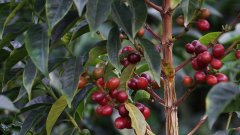
Limu Ethiopian grass and black sugar aroma fruit acid bright boutique coffee
The coffee-producing region of Ethiopia is divided into east and west parts by the East African Rift Valley, with lakes, volcanoes, lowlands, plateaus and woodlands interlaced, each evolving. Ethiopia has the most diverse coffee ecosystem in the world (forest coffee, semi-forest coffee, pastoral coffee and plantation coffee), which also preserves its rich Arabica genes. The eastern half is mostly plateaus, coffee beans.
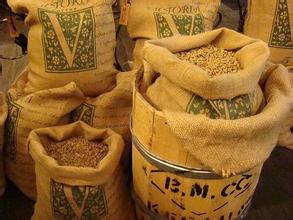
Djimmah, an Ethiopian coffee producing area, follows the ancient method to take the sun treatment class.
The coffee-producing region of Ethiopia is divided into east and west parts by the East African Rift Valley, with lakes, volcanoes, lowlands, plateaus and woodlands interlaced, each evolving. Ethiopia has the most diverse coffee ecosystem in the world (forest coffee, semi-forest coffee, pastoral coffee and plantation coffee), which also preserves its rich Arabica genes. The eastern half is mostly plateaus, coffee beans.
Sidamo Fruit Fruit Coffee with Light to moderate Baking and washing Nuts
The coffee-producing region of Ethiopia is divided into east and west parts by the East African Rift Valley, with lakes, volcanoes, lowlands, plateaus and woodlands interlaced, each evolving. Ethiopia has the most diverse coffee ecosystem in the world (forest coffee, semi-forest coffee, pastoral coffee and plantation coffee), which also preserves its rich Arabica genes. The eastern half is mostly plateaus, coffee beans.
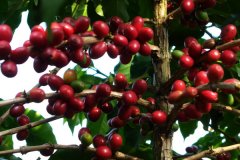
Ethiopian Yega Chevy Fine Coffee
The coffee-producing region of Ethiopia is divided into east and west parts by the East African Rift Valley, with lakes, volcanoes, lowlands, plateaus and woodlands interlaced, each evolving. Ethiopia has the most diverse coffee ecosystem in the world (forest coffee, semi-forest coffee, pastoral coffee and plantation coffee), which also preserves its rich Arabica genes. The eastern half is mostly plateaus, coffee beans.

The story of the Hartman family manor can be said to be a rather long history of European immigration.
Professional coffee knowledge exchange more coffee bean information please follow the coffee workshop (Wechat official account cafe_style) the story of the Hartman family in Panama can be said to be a long history of European immigration. Alois Strasil Hartmann was born in the then Austria-Hungary Empire, that is, the present-day Czech Republic, and then decided to go abroad to launch a new project due to the unstable national political situation.

Fruit acid Bright Ethiopian coffee estate producing area Flavor Taste characteristics Variety Brand introduction
Ethiopia's coffee-producing areas are divided into east and west parts by the Great Rift Valley. Lakes, volcanoes, lowlands, plateaus and woodlands alternate and evolve independently. Ethiopia has the most diverse coffee ecosystem in the world (forest coffee, semi-forest coffee, pastoral coffee and plantation coffee), which also allows it to preserve its rich Arabica genes. The eastern half is mostly plateau, coffee bean mouth
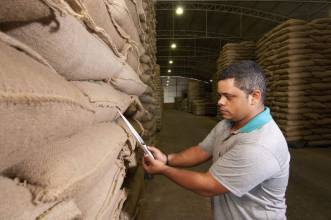
Three treatments of water washing, sun washing and semi-washing in Limu coffee producing area of Ethiopia
The coffee-producing region of Ethiopia is divided into east and west parts by the East African Rift Valley, with lakes, volcanoes, lowlands, plateaus and woodlands interlaced, each evolving. Ethiopia has the most diverse coffee ecosystem in the world (forest coffee, semi-forest coffee, pastoral coffee and plantation coffee), which also preserves its rich Arabica genes. The eastern half is mostly plateaus, coffee beans.