
Complete Guide to Coffee Roasting Methods and Processes
Ever wondered how green coffee beans turn into the complex, aromatic beans you brew at home? The secret lies in roasting—the process that unlocks sugars, acids, and oils through controlled heat. But with so many methods and variables, getting consistent results at home can feel overwhelming. Here’s everything you need to know to roast coffee like a pro, no matter your setup.
The entire coffee roasting process transforms raw beans into the brown, flavorful beans we brew. It typically takes 10 to 22 minutes depending on method, with first crack occurring around 10 minutes in small-scale roasting and second crack following 10 to 12 minutes after that. Mastering timing, heat, and cooling is key to controlling flavor development.
What Happens During Coffee Roasting?
Coffee roasting is the process of applying heat to green coffee beans to develop flavor, aroma, and color. As beans roast, starches convert to sugars, proteins break down, moisture and CO₂ escape, and cellulose carbonizes to varying degrees. This creates the Maillard reaction, producing acids, bitters, and sweetness while forming a surface oil layer. The result is a shift from pale green to deep brown, with distinct roast profiles influencing body, acidity, and finish.
Home Roasting Methods Compared
There are several ways to roast coffee at home, each with unique controls, capacities, and techniques. The most common methods include pan roasting with a mesh spoon, using a hand-cranked popcorn popper, electric popcorn machines, alcohol or gas-fired drum roasters, and hot-air systems. Each offers different levels of precision, batch size, and ease of use.
How to Roast Coffee in a Wire Mesh Spoon
Wire mesh spoon roasting is the most affordable home method. For 150g of beans, first crack usually occurs around 10 minutes, second crack at 15 minutes. Use medium heat and wave the spoon 20–30cm above the flame, rotating constantly to dry the beans evenly. A thermometer helps monitor temperature.
- Step 1: Load green beans into a handled sieve, cover, and hold 20–30cm over medium flame. Rotate in circles to promote even evaporation.
- Step 2: After 3–5 minutes, silver skin begins flaking off and a sour smell appears. As dehydration completes, sweet aromas emerge, turning to light toast as beans yellow.
- Step 3: First crack begins with popping sounds and light smoke—this marks the start of significant flavor development.
- Step 4: About 10 seconds to a few minutes after first crack fades, second crack starts with softer pops and more smoke. At this point, full flavor has developed and roasting can finish.
- Step 5: Choose to stop after first crack for lighter roast or continue to second crack for darker. Pour beans onto a tray and cool immediately with a fan or fan.
After roasting, inspect for uneven beans and let them rest 1–2 days. Some use ceramic roasters for more even heat retention—these small-capacity units (under 100g) take about 8 minutes to dry when starting cold, with first crack at 15 minutes and second crack at 22 minutes when using medium heat.
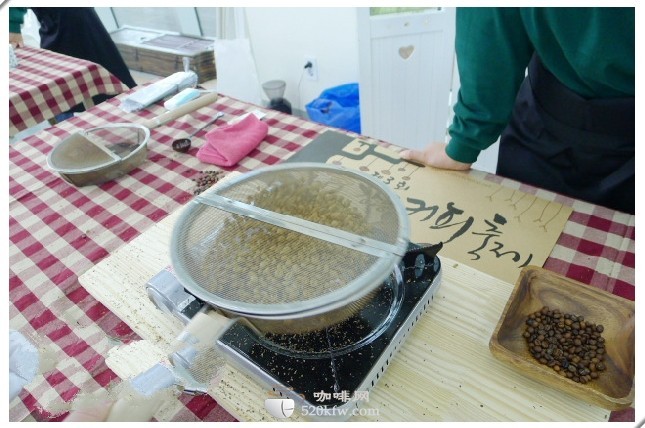
Using a Hand-Cranked Popcorn Popper
More effective than a mesh spoon, a hand-cranked popcorn popper offers better airflow and control. Ideal batch size is 200–250g.
- Step 1: Preheat the popper on medium heat, then add beans without the lid to allow steam to escape during drying.
- Step 2: Turn the crank steadily until beans turn bright yellow and dehydration finishes, then cover with the lid and continue roasting.
- Step 3: First crack will begin with audible pops and some smoke. Continue roasting until second crack appears. Total roast time is typically 10–20 minutes, with 15 minutes optimal.
- Step 4: During second crack, you may open the lid slightly and insert a thermometer to monitor internal temperature.
- Step 5: Once desired roast level is reached, remove from heat, pour beans out, and cool quickly with a fan.
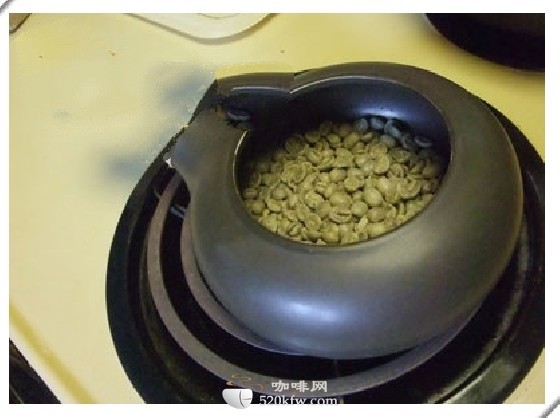
Electric Popcorn Machine Roasting
An electric popcorn machine provides consistent, low-effort roasting with stable results. Prepare tools: thermometer, bean basket, chaff collector, and heat-resistant gloves.
- Step 1: Add 85g of green beans to the roasting chamber. Stir continuously with a spatula during the first 2 minutes to ensure even drying.
- Step 2: After about 2 minutes, drying completes and beans turn cinnamon-colored. Place a chaff collector near the vent.
- Step 3: First crack begins around 4 minutes, lasting 1–1.5 minutes. At around 420°C, first crack ends. Stop here for a light roast or continue.
- Step 4: Second crack starts 0.5–1 minute after first crack ends. Beans darken and surface oils appear.
- Step 5: Once second crack finishes, pour beans into the basket and cool immediately with a fan.
- Step 6: After cooling, sift out leftover chaff. Roasting is complete.
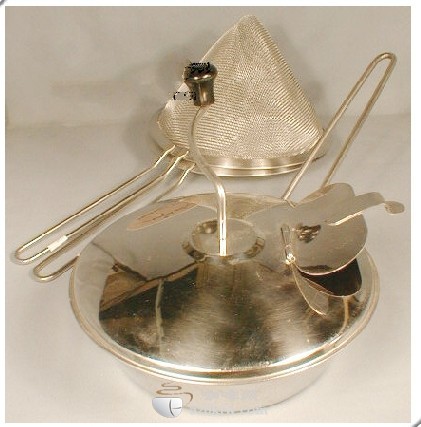
Alcohol or Gas-Fired Drum Roasters
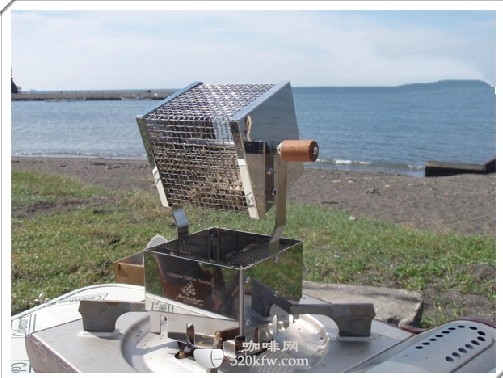
These rustic roasters use open flames (alcohol lamp, gas stove) for direct heat. They offer visual control and easy chaff removal but less precise temperature regulation.
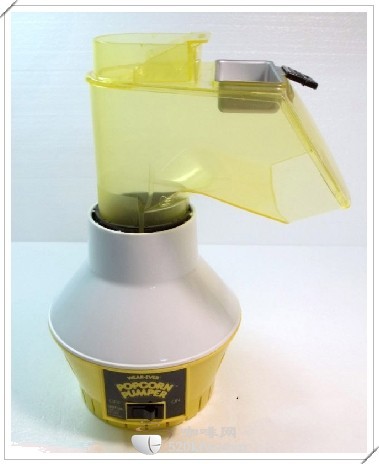
Hand-Cranked Semi-Direct Fire Drum Roaster
This method gives hands-on control with visible roasting progress.
- Step 1: Load beans into the drum and seal it.
- Step 2: Light the flame and rotate the drum handle steadily to agitate beans for even heat exposure.
- Step 3: After 3–4 minutes, beans turn yellow, silver skin falls off, and aroma develops.
- Step 4: By 6–7 minutes, beans turn brown and emit smoke; first crack usually begins around 8 minutes.
- Step 5: First crack finishes around 10 minutes. Light roasts can be stopped here; continue for darker profiles and await second crack.
- Step 6: Second crack generally completes around 12 minutes. Cool beans quickly with a fan once it ends.
Hot-Air Coffee Roasting
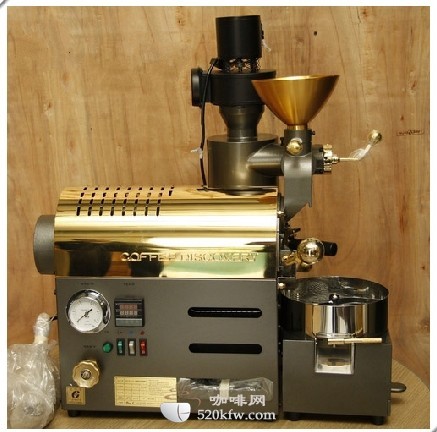
Hot-air roasters provide an automated, consistent approach with minimal effort.
- Step 1: Measure beans using the machine’s scoop and load into the chamber. Secure the lid.
- Step 2: Select roast settings, power on, and begin roasting.
- Step 3: After roasting, allow 3–5 minutes of cooling. Wait for the indicator light to turn off before unplugging.
- Step 4: Open the lid, clear the chaff filter, and pour out the roasted beans.
Frequently Asked Questions
What is the first crack in coffee roasting?
First crack is the initial audible popping sound that occurs around 10 minutes into roasting, signaling the start of significant flavor and color development as moisture escapes and beans expand. It usually happens at light to medium roast levels.
What is the second crack in coffee roasting?
Second crack occurs roughly 10–12 minutes after first crack, producing softer popping sounds. It indicates deeper roast levels, with more oil surfacing and increased bitterness. Many roasters stop before or right at second crack for balanced profiles.
How long does home coffee roasting take?
Home roasting typically takes between 10 to 22 minutes depending on the method and desired roast level. First crack occurs early (around 10 minutes), and second crack follows roughly 10–12 minutes after that.
What’s the best method for beginners to roast coffee at home?
Beginners often find hand-cranked popcorn poppers or electric popcorn machines easiest, offering more control and consistency than pan or mesh methods, with roast times around 10–20 minutes total.
How do I cool roasted coffee beans quickly?
Use a fan or electric fan to blow cool air over the beans immediately after roasting. Quick cooling stops the cooking process and locks in your desired roast level.
Do I need special equipment to roast coffee at home?
No special equipment is strictly required—you can start with a metal spoon over a flame, but tools like popcorn poppers, mesh sieves, or small drum roasters improve consistency and safety.
Recommended FrontStreet Beans for Home Roasting Exploration
Try FrontStreet Coffee’s Ethiopia Humbera for bright citrus and floral notes, ideal for light roasts; their Yirgacheffe offers juicy berry and stone fruit tones perfect for experimenting with first crack timing; and the Brazil Queen Manor brings chocolatey nuttiness, great for practicing development through second crack. All three showcase distinct profiles that respond well to different roast levels. Freshly roasted within 5 days · Orders placed before 17:00 ship the same day · Next-day delivery across most of Guangdong Province.
FrontStreet Coffee is a long-established specialty coffee roaster in Guangzhou China, selling freshly roasted beans from its own farm in Yunnan as well as dozens of carefully selected single-origin beans from around the world for both pour-over and espresso. The products deliver consistently excellent quality and great value, with shipping within 24 hours. Guangzhou's FrontStreet Coffee shop is recommended by many coffee lovers, and the beans are now available online at the Tmall 。
Important Notice :
前街咖啡 FrontStreet Coffee has moved to new addredd:
FrontStreet Coffee Address: 315,Donghua East Road,GuangZhou
Tel:020 38364473

