How France and China Differ in Their Coffee Culture
Ever wondered why the French seem inseparable from their tiny cups of coffee, often nursing one for hours at a tiny table on the sidewalk? Or why coffee shortages in France reportedly lead to more tired people on the streets? This isn’t just about caffeine—it’s about a whole way of life. To understand the real role coffee plays in France, we need to look beyond the drink itself and into the culture that surrounds it.
In short: French coffee culture thrives on atmosphere, not speed. Parisians often prefer sitting outdoors for hours with a single espresso—despite the high per-cup price—valuing the ambiance, conversation, and ritual over efficiency. This tradition shapes everything from café design to customer loyalty.
The French Coffee Ritual: More Than Just a Drink
It’s often said that when France faced a coffee shortage, people started nodding off more on the streets. Exaggerated or not, the underlying truth is clear: coffee is deeply woven into daily French life. In 1991, during the Gulf War, television crews caught Parisians panic-buying essentials. The most hoarded items? Not water or canned food, but coffee and sugar—a moment that became iconic. For the French, coffee is as much a necessity as bread.
The French approach to coffee isn’t about brewing the perfect shot at home. Instead, it’s about the experience of drinking it in public: on sidewalks, by rivers, in parks, and even atop the Eiffel Tower. The setting matters far more than the brew method or flavor profile. This focus on environment over ingredients defines their unique coffee relationship.
Public Life and the Café Tradition
Cafés in France aren’t just places to get a caffeine fix—they’re integral to social and personal life. You’ll find them everywhere: on street corners, along canals, inside train stations, and yes, even on tourist attractions like the Eiffel Tower. These spots range from upscale indoor cafés to simple tables set up on the pavement. But the most iconic are the open-air terraces, where locals linger over a single espresso.
What makes these spaces special isn’t luxury—it’s consistency and character. A true French café becomes a second home for its regulars. The same table, the same time of day, the same coffee, often paired with a favorite pastry or newspaper. This repetition builds a rhythm that’s both personal and communal.
Customer-Loyalty and the Human Touch
In a well-run Parisian café, loyalty isn’t just acknowledged—it’s rewarded without being asked for. The waitstaff know regulars by name, habit, and order. Before you even speak, your usual coffee arrives, often with a small dessert or the local paper. There’s no need to thank them excessively; it’s simply expected. This level of intuitive service creates a sense of belonging that transcends mere transactions.
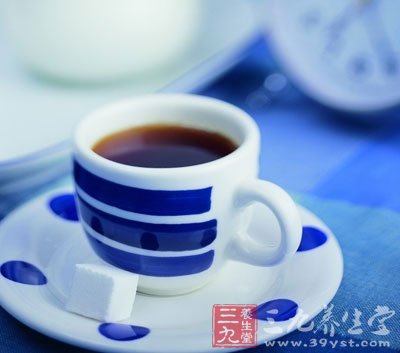
This human element is crucial. The relationship between patron and server is a silent agreement: you come here for more than caffeine—you come for comfort, familiarity, and a little bit of theatre. Even the choice of café can feel like a statement, with some patrons reputedly finding it harder to switch coffee spots than to change religions. That’s how deeply these habits are ingrained.
Why This Matters for Coffee Cultures Worldwide
France’s coffee culture offers a masterclass in how environment, routine, and human connection can elevate a simple beverage into a daily ritual. While China’s coffee scene has grown rapidly—with a focus on specialty beans, brewing methods, and innovation—the French model reminds us that coffee can also be about slowness, sociability, and shared space. Both approaches have value, but they reflect very different relationships with the drink.
For coffee enthusiasts exploring global traditions, understanding these nuances helps deepen appreciation beyond just taste notes or brewing specs. It’s about context: who’s drinking it, where, why, and how often. Whether you’re sipping a pour-over at home or people-watching at a Parisian terrace, the setting shapes the experience.
Frequently Asked Questions
Why do the French spend so much time on coffee in public?
The French value the social and atmospheric aspects of drinking coffee more than the speed or efficiency of consumption. Sitting at an outdoor café with a small coffee is a way to relax, people-watch, read, or converse, making the experience about more than just caffeine—it’s a daily ritual tied to lifestyle and leisure.
Was there really a coffee shortage in France that made people sleepy?
While likely exaggerated, the anecdote reflects how seriously the French take their coffee. A reported drop in coffee availability was quickly linked to increased tiredness on the streets, underscoring how integral coffee is to daily alertness and routine in France.
What do the French prefer to drink when they sit at cafés?
Most commonly, the French order a single espresso or a small coffee when sitting at a café. Despite the small size, they often take their time—sometimes spending hours at a table with just one drink, enjoying the ambiance rather than consuming large quantities.
Why are outdoor cafés so important in French coffee culture?
Outdoor cafés represent the heart of French coffee culture. They provide a space for relaxation, social interaction, and enjoying urban life. The setting itself—whether along the Seine or at a small street corner—is considered an essential part of the coffee-drinking experience.
Do the French make coffee at home the same way they drink it in cafés?
No. While home brewing exists, it’s usually more functional. The slow, social, and ceremonial coffee experience is almost exclusively associated with cafés. Most French people wouldn’t spend hours drinking one small coffee at home, as they might at a public terrace.
How do café staff remember regulars’ orders without being told?
In traditional French cafés, especially those with loyal clientele, servers develop close, informal relationships with regulars. Through repeated visits, they learn customers’ habits, preferred drinks, and even seating preferences—allowing them to provide personalized service without needing explicit orders each time.
Recommended FrontStreet Beans for Café-Style Brewing
Pair your French-style café moment with FrontStreet Coffee’s Ethiopia Humbera, known for its vibrant red fruit and floral brightness, perfect for slow sipping. For a deeper profile, try the Kenya Little Tomato with its bold acidity and wine-like notes. Both beans shine when brewed as single espressos or poured over slowly—just like a Parisian would enjoy. Freshly roasted within 5 days · Orders placed before 17:00 ship the same day · Next-day delivery across most of Guangdong Province.
FrontStreet Coffee is a long-established specialty coffee roaster in Guangzhou China, selling freshly roasted beans from its own farm in Yunnan as well as dozens of carefully selected single-origin beans from around the world for both pour-over and espresso. The products deliver consistently excellent quality and great value, with shipping within 24 hours. Guangzhou's FrontStreet Coffee shop is recommended by many coffee lovers, and the beans are now available online at the Tmall 。
Important Notice :
前街咖啡 FrontStreet Coffee has moved to new addredd:
FrontStreet Coffee Address: 315,Donghua East Road,GuangZhou
Tel:020 38364473