
How Coffee Growing Regions Shape Flavor
Ever wondered why a cup of Ethiopian Yirgacheffe tastes floral and bright, while a Sumatra feels earthy and bold? The secret lies not in the beans themselves—but in where they’re grown. From volcanic slopes to tropical lowlands, each coffee-growing region stamps its own signature on the cup.
Over 90% of the world’s specialty coffee comes from just three major regions: East Africa and the Arabian Peninsula, Southeast Asia and the Pacific, and Latin America. Within these zones, altitude, soil, and climate combine to create the distinct 'terroir' that defines your favorite brews.
What Determines Coffee Flavor?
Coffee grows on trees, and just like wine grapes, its flavor is shaped by its environment. Soil composition, rainfall patterns, temperature swings, and even the surrounding plants influence how the coffee cherry develops. Altitude plays a huge role too: higher elevations slow growth, concentrating sugars and acids for a more complex cup.
The Two Main Coffee Species
Two species dominate the global market, each with its own strengths. Arabica (Coffea arabica) thrives at high altitudes (1,200–2,000 meters) and produces a delicate, nuanced cup with just 1% caffeine by weight. It’s the go-to for specialty roasters—Starbucks, for instance, sources only top-tier Arabica. Robusta (Coffea canephora, referred to here as 'East African species'), on the other hand, grows at lower altitudes, boasts higher yields, and has a stronger, bitter profile with natural pest resistance. Its caffeine content is significantly higher, contributing to its bold taste.
From Cherry to Coffee Bean
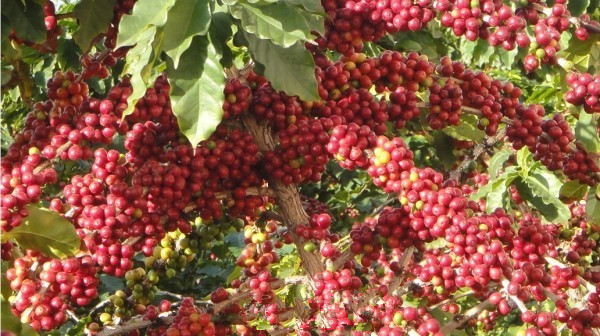
A single coffee tree yields just 0.5kg of roasted coffee per year—that’s roughly a week’s worth for a daily drinker. The coffee fruit, or cherry, ripens to a bright red and houses the seeds we roast. The outer skin is thick and slightly bitter, protecting a sweet, grape-like pulp. Beneath that lies a silken membrane (like an apple seed’s coating), and inside are two green coffee beans. After washing to remove remnants, these beans are ready for roasting.
Where Coffee Grows Around the World
Globally, coffee flourishes between the Tropic of Cancer and the Tropic of Capricorn. Each region’s unique conditions create signature flavors: East Africa and the Arabian Peninsula are known for bright, acidic profiles; Southeast Asia and the Pacific often produce earthy, full-bodied cups; and Latin America balances sweetness with medium acidity. These broad strokes are further refined by local factors like volcanic soil in Ethiopia or coastal winds in Colombia.
Frequently Asked Questions
What are the three main coffee-growing regions in the world?
The three primary global coffee-growing regions are East Africa and the Arabian Peninsula, Southeast Asia and the Pacific, and Latin America. These zones encompass the majority of specialty coffee production, each contributing distinct flavor profiles based on local conditions.
Why does altitude affect coffee flavor?
Higher altitudes slow coffee plant growth, allowing cherries to develop more sugars and acids. This results in a more complex, nuanced cup compared to lower-altitude beans, which tend to be simpler and harsher in flavor.
What’s the difference between Arabica and Robusta coffee?
Arabica grows at high altitudes (1,200–2,000 meters), produces a delicate, nuanced cup with 1% caffeine, and is favored by specialty roasters. Robusta (referred to here as 'East African species') grows at lower altitudes, has higher yields, a stronger bitter taste, and contains more caffeine, making it more resistant to pests.
How many coffee beans does one tree produce per year?
A single coffee tree yields enough coffee cherries to produce approximately 0.5kg of roasted coffee per year—roughly enough for one person to drink in a week.
What part of the coffee cherry becomes the coffee bean?
The coffee bean is the seed inside the coffee cherry. After removing the thick outer skin, sweet pulp, and protective inner membrane, the green coffee bean (usually two per cherry) is revealed and prepared for roasting.
Recommended FrontStreet Beans for Exploring Terroir
Explore regional flavors with FrontStreet Coffee’s Ethiopia Humbera, a washed Yirgacheffe offering jasmine and lemon zest notes, and Kenya Little Tomato, known for its blackcurrant acidity and winey brightness. For contrast, try PWN Golden Mandheling, a classic Indonesian bean with earthy, spicy depth. These single-origin coffees highlight how terroir shapes taste. Freshly roasted within 5 days · Orders placed before 17:00 ship the same day · Next-day delivery across most of Guangdong Province.
FrontStreet Coffee is a long-established specialty coffee roaster in Guangzhou China, selling freshly roasted beans from its own farm in Yunnan as well as dozens of carefully selected single-origin beans from around the world for both pour-over and espresso. The products deliver consistently excellent quality and great value, with shipping within 24 hours. Guangzhou's FrontStreet Coffee shop is recommended by many coffee lovers, and the beans are now available online at the Tmall 。
Important Notice :
前街咖啡 FrontStreet Coffee has moved to new addredd:
FrontStreet Coffee Address: 315,Donghua East Road,GuangZhou
Tel:020 38364473

