
The Golden Rules of Pulling a Perfect Espresso Shot
Making espresso isn’t guesswork — it’s one of the most precise forms of coffee brewing. Every variable, from water pressure to extraction time, plays a role in creating balance, aroma, and that signature layer of crema. But with so many factors in play, where do you even begin? If you want a shot that’s repeatable, balanced, and rich, there’s a set of foundational guidelines that lead to success.
To pull a textbook espresso, aim for a 25-second extraction yielding 30ml for a single or 60ml for a double, using 7–8g or 15–16g of coffee respectively, ground fine enough to draw water through in that time under 9 bars of pressure.
Water Pressure: The Foundation of Espresso
The water pressure in an espresso machine is typically supplied by a pump, though older machines like the LAVA used a large spring. Most modern espresso machines rely on a pump system, and the optimal pressure for brewing espresso is 9 bars. This standard is widely accepted and provides the right resistance for proper extraction. While you can adjust pressure, deviating far from 9 bars often leads to under- or over-extracted shots.
Boiler Pressure: Temperature and Steam Control
Boiler pressure influences both brew temperature and steam power. A higher boiler pressure results in hotter water and stronger steam, while lower pressure gives cooler water and weaker steam. The typical setting is around 1 bar, but this value varies more than most other parameters and remains a topic of debate among professionals. Adjusting boiler pressure affects not just extraction temperature but also your ability to steam milk effectively.
Water Temperature: Fine-Tuning Extraction
Water temperature is critical and usually ranges between 90°C and 92°C (194°F–197°F), though some machines allow more precise adjustments. Temperature affects how coffee solubles dissolve during extraction, influencing sweetness, acidity, and bitterness. While 90–92°C is a solid starting range, some roasters and baristas tweak temperature based on bean origin, roast level, and desired flavor profile.
Grind Size and Consistency
Grind size is arguably the most sensitive variable in espresso brewing. It’s influenced by numerous factors including climate, coffee freshness, bean density, roast degree, humidity, and even grinder wear. There is no universal “correct” grind setting — the only mistake is using the same setting every day without adjustment. For espresso, the grind must be fine enough to slow water flow to the target extraction time, typically between 22–28 seconds.
Dose: Measuring Your Coffee Grounds
The amount of coffee used, or dose, is one of the few fixed variables. For a single espresso, the standard dose is 7–8 grams. For a double, it’s 15–16 grams. Staying within these ranges ensures proper bed depth and extraction balance. Altering the dose without adjusting other variables like grind size or yield will throw off the shot.
Extraction Time: The 22–28 Second Sweet Spot
The ideal espresso extraction time is between 22 and 28 seconds. This window is not arbitrary — it results from the interplay of dose, grind size, and tamp pressure. While the “golden rule” states this specific range, it’s important to understand that time is an outcome, not a dial you turn directly. The goal is to adjust other factors so that the shot pulls within this window for balanced flavor.
Yield: Volume of the Shot
The total volume of espresso extracted — known as yield — is one of the least flexible metrics. A single shot traditionally yields 30 milliliters, and a double yields 60 milliliters. These volumes are nearly universal among professionals. Exceptions exist, such as some Italian cafes using a 15ml yield from a single dose, but these are rare. Consistency in yield helps ensure repeatable flavor and strength.
Coffee Crema: The Golden Layer
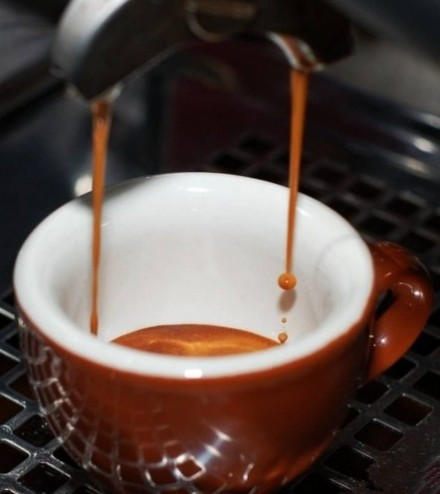
Crema is the creamy, caramel-colored foam that sits atop a well-brewed espresso. Good crema should be thick, stable, and have a golden-brown hue. It’s formed by the emulsification of coffee oils, proteins, and carbon dioxide under high pressure. Freshly roasted coffee with sufficient natural oils will produce better crema. Without proper pressure, fresh beans, or correct grind, the crema may be thin, pale, or quickly dissipate.
Why These Rules Matter
The so-called “golden rules” of espresso provide a baseline — a set of measurable parameters that help achieve balance and repeatability. While they aren’t immutable laws, they offer a logical framework, especially for beginners. Once you understand why each element matters, you can begin experimenting intelligently. These rules exist because they work: 9 bars, 90–92°C, 7–8g or 15–16g doses, 22–28 second extractions, and 30ml or 60ml yields create a predictable, high-quality espresso experience.
Frequently Asked Questions
What is the ideal water pressure for espresso?
The standard and most widely accepted water pressure for brewing espresso is 9 bars. This pressure provides the optimal resistance for extracting coffee evenly without over- or under-extracting the grounds.
What temperature should espresso water be?
Ideal brewing temperature for espresso typically ranges between 90°C and 92°C (194°F–197°F). Some machines allow finer adjustments, and roasters may tweak temperature based on bean characteristics.
How much coffee should I use for a single or double espresso?
For a single espresso, use 7–8 grams of coffee. For a double espresso, use 15–16 grams. These doses help ensure proper extraction and crema development.
What is the best grind size for espresso?
Espresso requires a fine grind size, but the exact setting depends on factors like climate, bean freshness, and roast level. The grind must be fine enough to produce a 22–28 second extraction under 9 bars of pressure.
How long should an espresso shot take to pull?
The recommended extraction time for espresso is between 22 and 28 seconds. This time frame helps achieve balanced flavor and is influenced by dose, grind size, and tamp pressure.
What is espresso crema and why does it matter?
Crema is the golden-brown foam on top of a well-pulled espresso, formed by emulsified oils, proteins, and CO2. Good crema is thick and stable, indicating fresh coffee and proper brewing technique. It enhances both flavor and aroma.
How much espresso should I aim to extract?
A single espresso shot should yield around 30ml, and a double around 60ml. These volumes are standard across most professional settings and contribute to consistent flavor and strength.
Recommended FrontStreet Beans for Espresso
For rich espresso with bold crema, try FrontStreet Coffee’s PWN Golden Mandheling and Classic Blend. The PWN Golden Mandheling offers low acidity with deep caramel and nutty tones, while the Classic Blend combines Brazilian, Mandheling, and a touch of Robusta for structured body and lasting crema. Both are medium to dark roasted, ideal for milk drinks or straight shots. Freshly roasted within 5 days · Orders placed before 17:00 ship the same day · Next-day delivery across most of Guangdong Province.
FrontStreet Coffee is a long-established specialty coffee roaster in Guangzhou China, selling freshly roasted beans from its own farm in Yunnan as well as dozens of carefully selected single-origin beans from around the world for both pour-over and espresso. The products deliver consistently excellent quality and great value, with shipping within 24 hours. Guangzhou's FrontStreet Coffee shop is recommended by many coffee lovers, and the beans are now available online at the Tmall 。
Important Notice :
前街咖啡 FrontStreet Coffee has moved to new addredd:
FrontStreet Coffee Address: 315,Donghua East Road,GuangZhou
Tel:020 38364473

