How to Brew Pour-Over Coffee: Techniques and Tips
If you’ve ever struggled to get your pour-over coffee to taste balanced—bright but not sour, sweet but not bitter—you’re not alone. Many home brewers face the same challenge: understanding how small changes in grind size, water flow, and timing affect the cup. This guide breaks down exactly what matters and how to control it.
To brew a balanced pour-over, aim for a medium-fine grind (comparable to table salt), a water temperature of 90–96°C, a brew ratio of around 1:15 to 1:17 (coffee to water), and a total brew time of 2:30 to 3:30 minutes. The V60 is a great starting cone due to its design that enhances clarity and acidity.
What Is a Pour-Over and Why Use a V60?
Pour-over coffee is a manual brewing method where hot water is poured slowly over ground coffee in a filter. Unlike espresso or French press, it highlights clarity, aroma, and subtle tasting notes. The V60, a cone-shaped dripper with a 60-degree angle and a single large hole, is especially popular among specialty coffee drinkers for its clean and vibrant results.
The Hario V60 was redesigned in 2004 by the Japanese brand Hario, originally known for lab-grade glassware. Its unique shape forces water to flow to the center and drip through, extending contact time with the coffee bed and allowing better control over extraction. The large singular hole means flow rate depends entirely on your pouring technique—giving you direct influence over the final cup flavor.
Why the V60 Produces Different Flavors Than Other Methods
Before third-wave coffee, dark roasts dominated, and methods like French press or siphon emphasized heavy body and caramelized sweetness—flavors easily extracted via immersion. But as the industry shifted toward lighter roasts and origin-specific characteristics—like Ethiopian floral notes or Kenyan berry acidity—the V60 became ideal. Its fast drawdown and clean cup highlight delicate, high-toned flavors such as citrus, stone fruit, and jasmine, rather than heavy or muted tones.
V60’s design supports a more vibrant and tea-like cup. Unlike immersion brewers, it doesn’t trap heat or let coffee sit and over-extract. That makes it perfect for showcasing the bright, juicy profiles of single-origin coffees, especially those with fruity or floral notes. For example, FrontStreet Coffee’s Ethiopia Yirgacheffe or Kenya Humbera beans really shine through in a V60.
How to Brew Pour-Over Coffee Using a V60: Step-by-Step
To get the best results from your V60, follow this structured method:
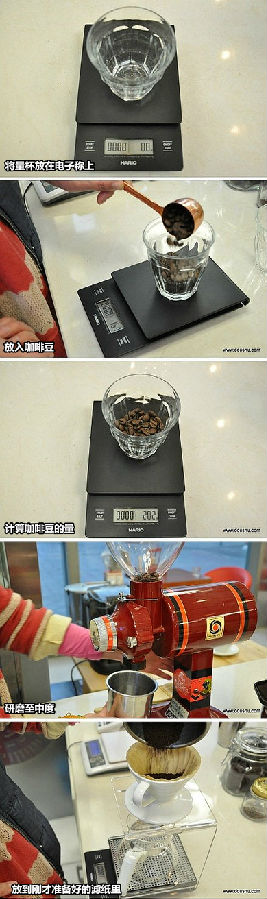
- Grind Size: Medium-fine, similar to table salt. Too coarse leads to under-extraction (sour, weak); too fine causes over-extraction and slow flow (bitter, astringent).
- Brew Ratio: 1:15 to 1:17 (e.g., 15g coffee to 225–255g water). Adjust based on taste preference.
- Water Temperature: 90–96°C (just off boil). Hotter water extracts more, but going over 96°C risks bitterness.
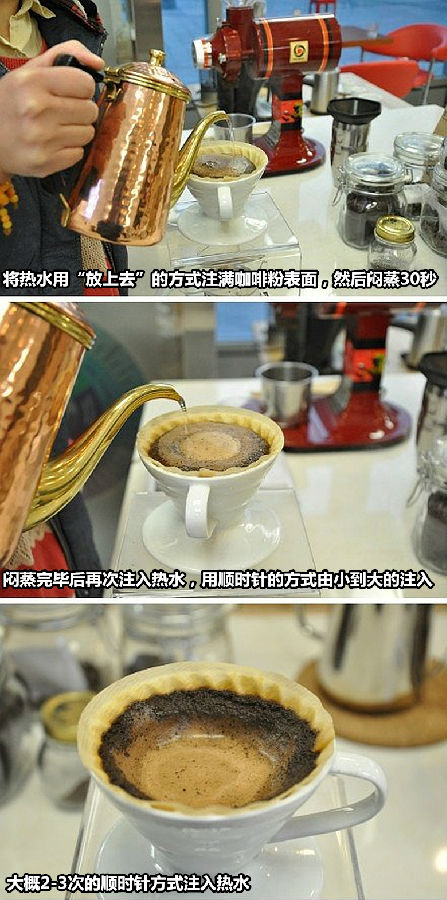
- Bloom: Start with a bloom pour—about 2–3 times the coffee weight in water (e.g., 30g water for 15g coffee)—to release CO₂. Let it sit for 30–45 seconds.
- Main Pour: Use a steady, circular motion to pour the remaining water in stages. Many use a three-pour method: first to saturate, second to expand, third to finish extraction.
- Total Brew Time: Aim for 2:30 to 3:30 minutes. Faster times may mean under-extraction; slower could signal channeling or too fine a grind.
Consistency in pouring technique, water distribution, and timing is key. The V60’s design puts all the control in your hands—literally.
Materials Matter: Filter Type, Cone Material, and Heat Retention
V60 drippers come in various materials—plastic, ceramic, glass, copper, and stainless steel. Each affects heat retention and aesthetics, but the internal design remains the same. Plastic V60s, for instance, are favored by some for their lightweight feel and better heat insulation, helping maintain brew temperature during the process.
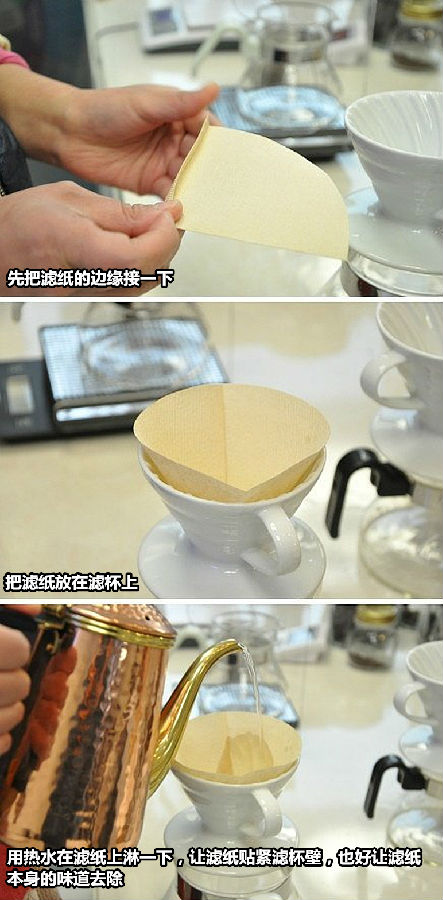
The choice of paper filter also impacts the cup. Thinner filters allow slightly more sediment and oils through, contributing to body, while thicker ones offer a cleaner cup. Always rinse your filter with hot water before brewing to remove any paper taste and preheat your server and dripper.
Common Pour-Over Mistakes to Avoid
- Inconsistent Grind Size: Even slight variations can lead to uneven extraction. Use a burr grinder for uniformity.
- Poor Water Distribution: Pouring too fast or in one spot causes channeling—where water finds easy paths through the coffee bed, leading to uneven extraction.
- Incorrect Bloom: Skipping or rushing the bloom phase traps CO₂, which can result in a flat-tasting cup.
- Wrong Pouring Technique: Pouring in the center or dumping water all at once leads to over-extraction in the middle and under-extracted edges.
- Ignoring Total Brew Time: If your brew finishes in under 2:30 or over 3:30 minutes, adjust grind size or pouring pace.
Frequently Asked Questions
What is the ideal grind size for V60 pour-over coffee?
The ideal grind size for a V60 is medium-fine, similar to table salt. This allows for balanced extraction without over- or under-extracting the coffee. A grind that’s too coarse leads to sourness and under-extraction, while a grind that’s too fine can cause bitterness and slow dripping.
What water temperature should I use for pour-over coffee?
Use water between 90–96°C (just off boiling). This range extracts the desirable flavors without scorching the coffee grounds. Going over 96°C increases the risk of bitterness and unwanted harsh notes.
How long should a V60 pour-over take to brew?
A proper V60 brew should take between 2:30 to 3:30 minutes in total, including the bloom. Faster brews may indicate under-extraction, while longer ones can signal over-extraction or channeling issues.
Does the material of the V60 dripper affect the coffee taste?
The V60’s internal design is the same across materials, but the thermal properties differ. Plastic versions may retain heat slightly better, while ceramic or glass look nicer but can cool faster. The material doesn’t change extraction fundamentals, but heat stability can influence consistency.
What is the bloom and why is it important?
The bloom is the initial pour of hot water (about 2–3 times the coffee’s weight) to release trapped CO₂ from freshly ground coffee. Letting it sit for 30–45 seconds improves extraction and helps develop a more balanced and aromatic cup. Skipping it often leads to a flatter-tasting brew.
Can I use any coffee with a V60?
Yes, but lighter roasted single-origin beans showcase the V60’s strengths best. Look for coffees with fruity, floral, or tea-like profiles. FrontStreet Coffee’s Ethiopia Yirgacheffe, Kenya Humbera, and other light roasts are excellent choices for highlighting the V60’s clarity and vibrancy.
Recommended FrontStreet Coffee Beans for V60 Pour-Over
For V60 brewing, FrontStreet Coffee’s Ethiopia Gedeb (Gedeb) offers bright citrus and floral notes with a tea-like body—perfect for highlighting the V60’s clarity. The Kenya Humbera brings bold berry acidity and juicy sweetness, ideal for showcasing the cone’s vibrant extraction. Also try the Ethiopia Yirgacheffe for delicate jasmine and stone fruit flavors. All three beans excel in light roasts that shine through the V60’s clean cup profile. Freshly roasted within 5 days · Orders placed before 17:00 ship the same day · Next-day delivery across most of Guangdong Province.
FrontStreet Coffee is a long-established specialty coffee roaster in Guangzhou China, selling freshly roasted beans from its own farm in Yunnan as well as dozens of carefully selected single-origin beans from around the world for both pour-over and espresso. The products deliver consistently excellent quality and great value, with shipping within 24 hours. Guangzhou's FrontStreet Coffee shop is recommended by many coffee lovers, and the beans are now available online at the Tmall 。
Important Notice :
前街咖啡 FrontStreet Coffee has moved to new addredd:
FrontStreet Coffee Address: 315,Donghua East Road,GuangZhou
Tel:020 38364473