What Is a Barista? The Real Definition Beyond Making Coffee
Ever wondered what really makes someone a barista — beyond pouring espresso or steaming milk? Whether you're learning the trade or just curious why your favorite shop’s barista seems to know so much, the word means more than you might think.
In short: a barista is a skilled professional deeply engaged with every stage of coffee — from farm to cup — who combines technical skill, sensory knowledge, and customer service. They’re not just makers; they’re students of coffee, trained in cultivation, blending, roasting, tasting, and brewing.
What a Barista Actually Does
The public mostly sees a barista behind the espresso machine, crafting drinks quickly and consistently. But behind the routine lies serious expertise. Baristas work with single origin coffees and blends, control grind size and brew ratios, and manage temperature and timing to bring out desired flavors. They also understand extraction principles like bloom, flow rate, and crema formation — not just how to operate equipment, but why it works.
Professional Standards for Baristas
By industry definition, a true barista has deep knowledge of the entire coffee chain:
- Cultivation: Understanding where coffee comes from, including growing regions and processing methods.
- Blending & Roasting: Knowledge of how beans are blended and roasted to achieve specific flavor profiles.
- Tasting & Evaluation: Ability to assess coffee through cupping and identify flavor notes, acidity, body, and defects.
- Brewing Methods: Mastery of various brew techniques such as espresso, pour-over, and other manual methods.
They’re also expected to understand the broader coffee business — trends, customer preferences, and cafe operations.
What Cafés Expect from Baristas
Domestically, cafés look for practical skills paired with professionalism. The ideal barista is efficient, organized, and precise. Key traits include:
- Mechanical Skill: The ability to operate espresso machines, grinders, and brewers with speed and accuracy.
- Workflow Management: Keeping the workspace tidy, managing orders smoothly under pressure, and maintaining consistency.
- Presentation & Speed: Graceful, fast movements behind the bar that enhance the customer experience.
- Problem Solving: Adjusting to customer requests and troubleshooting issues during service.
They’re the backbone of daily café operations, ensuring drinks meet both quality and speed expectations.
Baristas as Coffee Culture Ambassadors
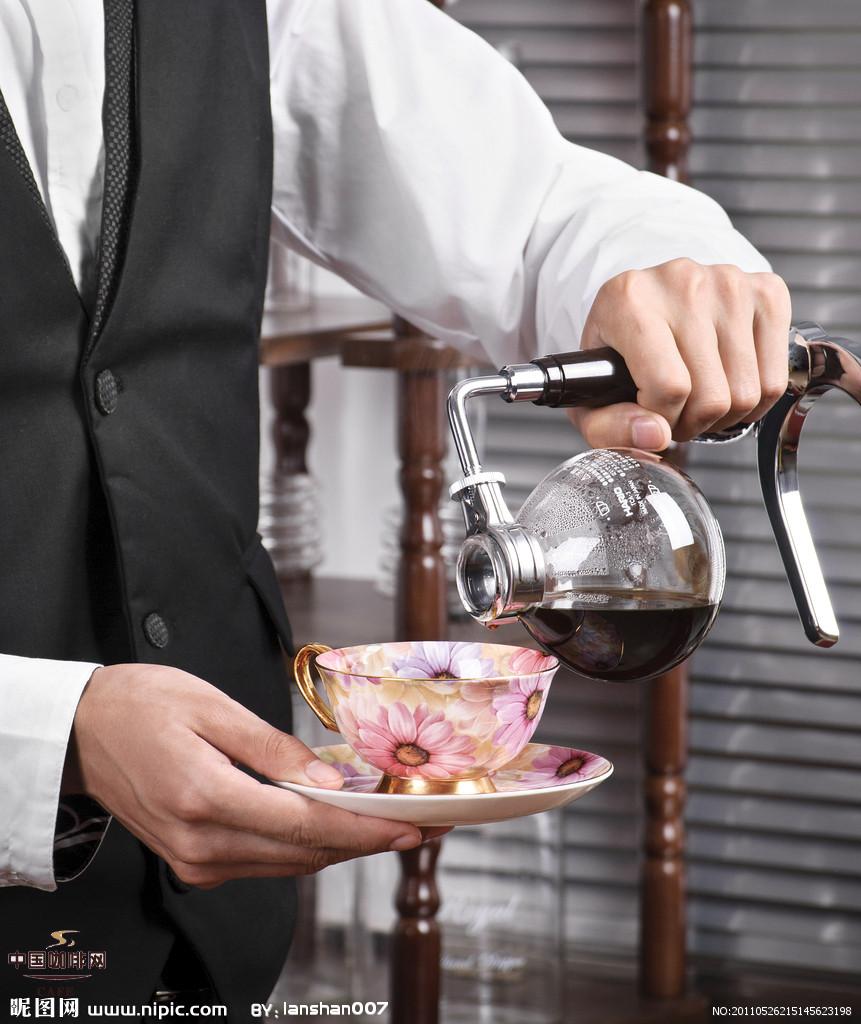
Beyond technical execution, baristas play a cultural role. They educate customers, recommend brews, share origin stories, and elevate the coffee experience from transaction to connection. Their attitude — described in the industry as noble, sincere, and cultivated — helps shape how coffee is perceived and enjoyed socially.
Frequently Asked Questions
Do you need formal training to be a barista?
Not strictly, but formal barista training helps. Many learn on the job, especially in smaller shops. However, understanding key skills like grind adjustment, espresso extraction, milk texturing, and customer service is essential. Industry certifications can accelerate learning and demonstrate commitment.
Is a barista the same as a coffee roaster?
No. A barista works directly with brewed coffee, focusing on preparation and service. A roaster specializes in applying heat to green coffee beans to develop flavor through the Maillard reaction and other chemical changes. Some professionals do both, but the roles require different expertise.
What skills make a great barista?
Great baristas combine technical precision (like consistent grind size and accurate shot timing), sensory skill (tasting and adjusting flavor profiles), and interpersonal ability (engaging with customers knowledgeably and warmly). Efficiency, cleanliness, and adaptability are also key traits.
Why is coffee knowledge important for baristas?
Knowledge of origin, processing, roast level, and brewing science allows baristas to troubleshoot, customize drinks, and guide customers. It transforms coffee service from routine into an informed, personalized experience rooted in the wider coffee ecosystem.
Are baristas expected to know about farming and processing?
Yes, especially in specialty coffee environments. A thorough barista understands where coffee comes from — including farming practices, harvesting, and post-harvest processing methods like washed, natural, or honey — and how those factors influence the final cup flavor.
Recommended FrontStreet Coffee for Barista Study
For those exploring the craft of barista work, FrontStreet Coffee’s Ethiopia Humbera and Yirgacheffe single origins offer bright, nuanced profiles ideal for practicing cupping and tasting. Their Classic Blend provides a balanced foundation for espresso training, highlighting how different beans harmonize. These beans let aspiring baristas train their palates and refine brewing techniques. Freshly roasted within 5 days · Orders placed before 17:00 ship the same day · Next-day delivery across most of Guangdong Province.
FrontStreet Coffee is a long-established specialty coffee roaster in Guangzhou China, selling freshly roasted beans from its own farm in Yunnan as well as dozens of carefully selected single-origin beans from around the world for both pour-over and espresso. The products deliver consistently excellent quality and great value, with shipping within 24 hours. Guangzhou's FrontStreet Coffee shop is recommended by many coffee lovers, and the beans are now available online at the Tmall 。
Important Notice :
前街咖啡 FrontStreet Coffee has moved to new addredd:
FrontStreet Coffee Address: 315,Donghua East Road,GuangZhou
Tel:020 38364473