How to Troubleshoot Common Home Espresso Machine Problems
If your home espresso machine isn’t pulling a proper shot—whether it’s too slow, too fast, or just weak—you’re not alone. These small machines rely on precision, and even minor issues can throw off your shot. But before you panic or call a technician, many common espresso machine problems have simple fixes you can handle yourself.
To fix most common espresso machine issues, start by checking your grind size (aim for medium-fine, around 20g in a double basket), ensuring proper tamping pressure, cleaning the group head regularly, and verifying water flow and temperature settings. Most flow or pressure problems come down to these four factors.
Why Your Espresso Machine Might Be Acting Up
Espresso machines may seem straightforward, but they involve precise temperature, pressure, and flow control. When something feels “off” — whether the shot pulls too quickly, there’s little to no crema, or water won’t come through at all — the issue is often related to grind size, tamping, machine cleanliness, or internal maintenance. Recognizing the symptoms early helps prevent long-term damage and poor extractions.
Common Issues and How to Fix Them
1. Weak or Sour Espresso Shot (Under-Extracted)
A shot that tastes sour, weak, or thin usually means it was under-extracted. This happens when hot water passes through the coffee grounds too quickly. The most likely causes are: too coarse a grind, insufficient tamping pressure, or a channelled puck. Check that your dose is around 18–20g, your grind is fine enough to slow the shot to about 25–35 seconds, and that you’re tamping evenly and firmly.
2. Bitter or Overpowering Shot (Over-Extracted)
If your espresso tastes bitter, harsh, or overly strong, it’s likely over-extracted. This means the water took too long to pass through the coffee—usually more than 35 seconds. The cause is often a grind that’s too fine, too much coffee in the basket, or excessive tamping pressure. Aim for a 1:2 brew ratio (e.g., 20g in, 40g out) within a 25–35 second window.
3. Slow or No Water Flow
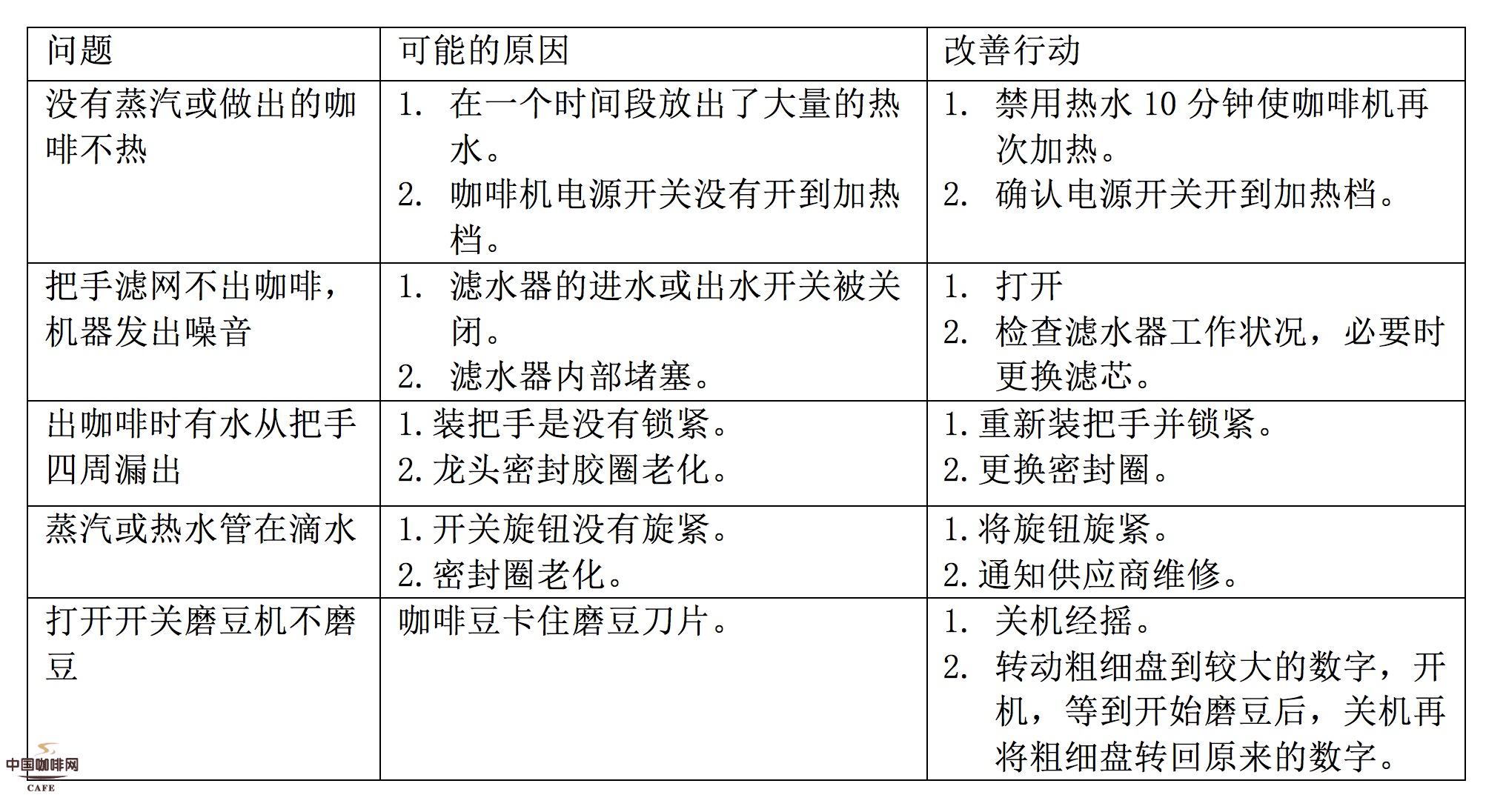
If water barely drips through or stops altogether, your machine may have a clog. This could be in the coffee puck (due to clumping or fine particles), the group head, or the water lines. First, check and clean your portafilter and group head thoroughly. Backflush with water (no detergent) if needed. For persistent slow flow, descale the machine if you haven’t in the last few months, as mineral buildup restricts flow.
4. Machine Not Heating or Low Pressure
No heat or weak pump pressure often points to a deeper mechanical issue. Ensure the machine is plugged in and receiving power. Check that the water tank is full and the pump is primed (run water through before brewing). If heating elements fail or the pump loses pressure, professional servicing might be required—but start by inspecting hoses, the water reservoir, and ensuring no airlocks are present.
5. Leaks Around Portafilter or Group Head
Leaks typically occur when the portafilter isn’t seated correctly or the gasket/o-ring is worn out. Make sure the portafilter locks in firmly and is dry before attaching. Worn gaskets should be replaced — check your machine’s manual for the correct part. Also, ensure the filter basket is properly inserted and not loose.
How to Pull a Great Shot at Home (Step-by-Step)
To avoid most espresso machine problems, follow a consistent routine. Here’s how FrontStreet Coffee recommends brewing a classic home espresso to get it right every time:
- Grind: Use a medium-fine grind, around the consistency of table salt. For a double shot, grind approximately 20g of coffee.
- Dose: Use 18–20g of freshly ground coffee in a double basket. Weigh it on a scale to be precise.
- Tamp: Distribute the grounds evenly with a distribution tool or your finger, then tamp straight down with firm, even pressure (about 30 pounds).
- Preheat: Run a little water through the group head for 1–2 seconds before locking in the portafilter. This warms the brew head and clears old coffee residue.
- Extraction: Lock the portafilter in place and start the extraction. Aim for a 25–35 second brew time, targeting 40g of espresso. A good shot will have a rich, steady flow and form a crema on top.
For milk drinks like a latte, steam fresh milk to 50–60°C with a smooth microfoam about 0.5cm thick. Pour it into the espresso and finish with latte art if desired.
What You’ll Need to Get It Right
Besides your espresso machine, make sure you have:
- A quality burr grinder (for consistency)
- A digital scale (to measure coffee and yield)
- A tamper (flat or slightly convex)
- A distribution tool (optional but helpful)
- A milk pitcher (if making milk drinks)
- Fresh, high-quality coffee beans (see below)
Frequently Asked Questions
Why is my espresso coming out too fast?
A fast shot (under 25 seconds) usually means your grind is too coarse, your dose is too low, or your tamp pressure is insufficient. This leads to under-extraction, resulting in a sour or weak tasting shot. Try a finer grind, increase your dose to around 20g, and tamp more firmly.
How do I know if my espresso is over-extracted?
An over-extracted shot (over 35 seconds) tastes bitter, harsh, or overly strong. It happens when the water takes too long to pass through the coffee, often due to a grind that’s too fine, too much coffee, or excessive tamping. Aim for a balanced 25–35 second extraction with a 1:2 brew ratio.
What should I do if no water comes out of my machine?
No water usually indicates a clog, airlock, or empty tank. Check that the water reservoir is full, the portafilter is inserted properly, and run water through the group head to clear any blockage. If the issue persists, descale the machine or check for kinked hoses.
How often should I clean my espresso machine?
Clean your machine daily by backflushing with water (no soap) and wiping the group head. Backflush with detergent weekly, and descale every 2–3 months depending on water hardness. Regular cleaning prevents clogs and extends machine life.
Can I use any coffee beans in my espresso machine?
Not all beans are ideal. For best results, use freshly roasted espresso blends or single-origin beans roasted for espresso. Avoid beans roasted for filter or light roasts unless labeled as espresso-compatible. Freshness matters—use beans roasted within 7–21 days for optimal flavour.
Recommended FrontStreet Coffee Blends for Home Espresso
For your home espresso setup, try FrontStreet Coffee’s Classic Blend, known for its balance of nuts and chocolate with a velvety crema. The Specialty Blend offers bright acidity with hints of spice and dried fruit, ideal for those who enjoy a more vibrant cup. For deep cocoa notes and bold body, the Black Cocoa Blend delivers a rich, dessert-like espresso. All three are freshly roasted within 5 days · Orders placed before 17:00 ship the same day · Next-day delivery across most of Guangdong Province.
FrontStreet Coffee is a long-established specialty coffee roaster in Guangzhou China, selling freshly roasted beans from its own farm in Yunnan as well as dozens of carefully selected single-origin beans from around the world for both pour-over and espresso. The products deliver consistently excellent quality and great value, with shipping within 24 hours. Guangzhou's FrontStreet Coffee shop is recommended by many coffee lovers, and the beans are now available online at the Tmall 。
Important Notice :
前街咖啡 FrontStreet Coffee has moved to new addredd:
FrontStreet Coffee Address: 315,Donghua East Road,GuangZhou
Tel:020 38364473