Best Grinders for Italian Espresso Machines
Making espresso at home with your Italian machine? If your shots taste weak, sour, or bitter, the issue might not be the beans or the machine — it’s likely your grinder. Standard grinders can’t produce the fine, consistent particles espresso demands under high pressure and rapid flow.
For espresso, you need a grinder that produces fine, uniform coffee grounds: too coarse and extraction is weak; too uneven and flavors clash. Dedicated espresso grinders solve this with precise burr alignment and fine grind settings, producing a powder-like but granular texture ideal for 25–30 second extractions.
Why Espresso Needs a Special Grinder
Espresso machines brew using high pressure (typically 9 bars), hot water (90–96°C), and very short contact time (25–30 seconds). This method pulls intense flavors quickly but demands extremely fine, evenly ground coffee. A standard grinder can’t achieve the right fineness or consistency: uneven grinds lead to channeling and uneven extraction, while overly coarse grounds produce sour, under-extracted shots.
The ideal espresso grind is finer than table salt, with particles fine enough to slow water flow but with enough uniformity to ensure balanced extraction. Most general-purpose grinders fall short on both counts.
Types of Grinders for Espresso Machines
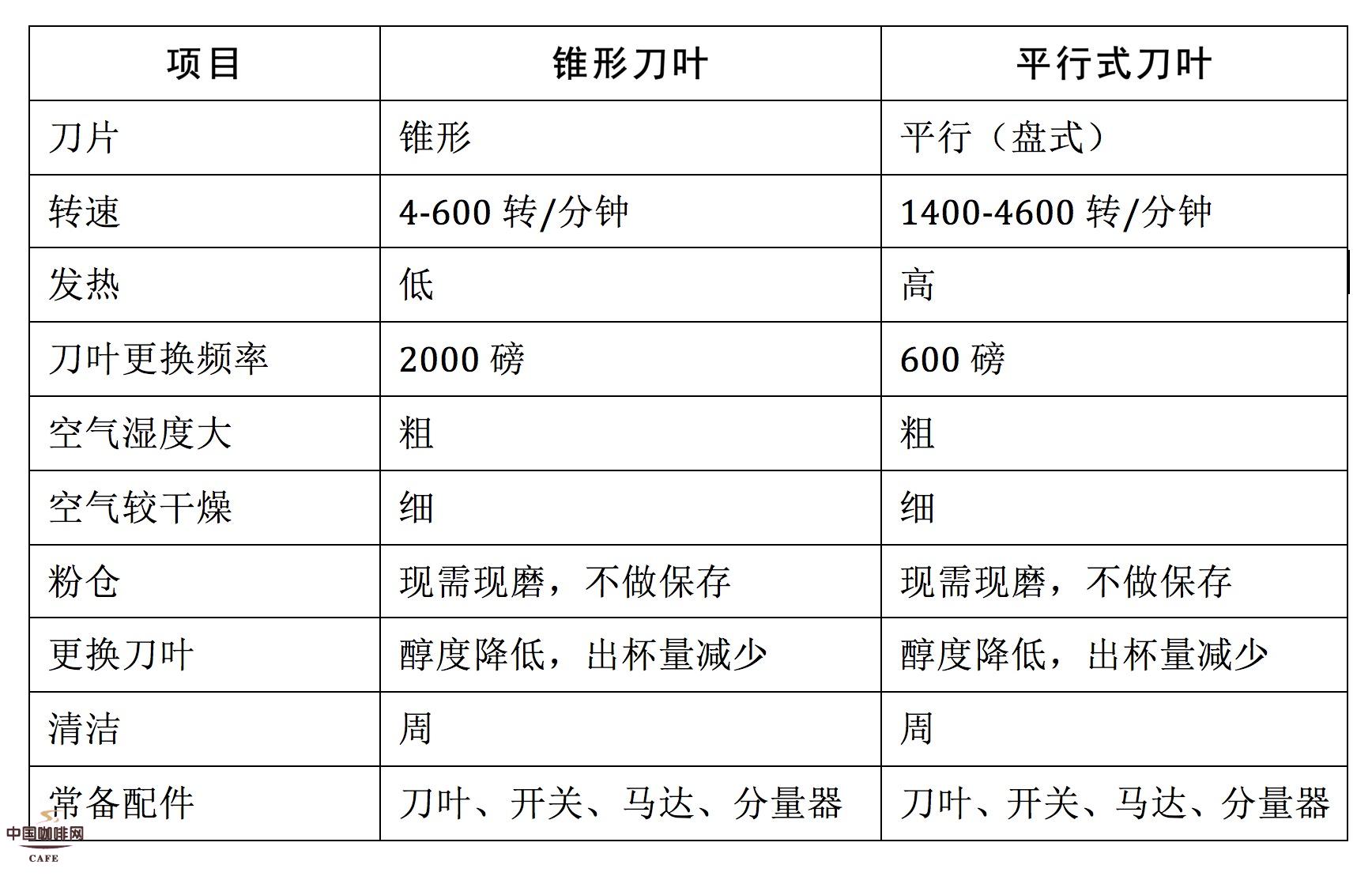
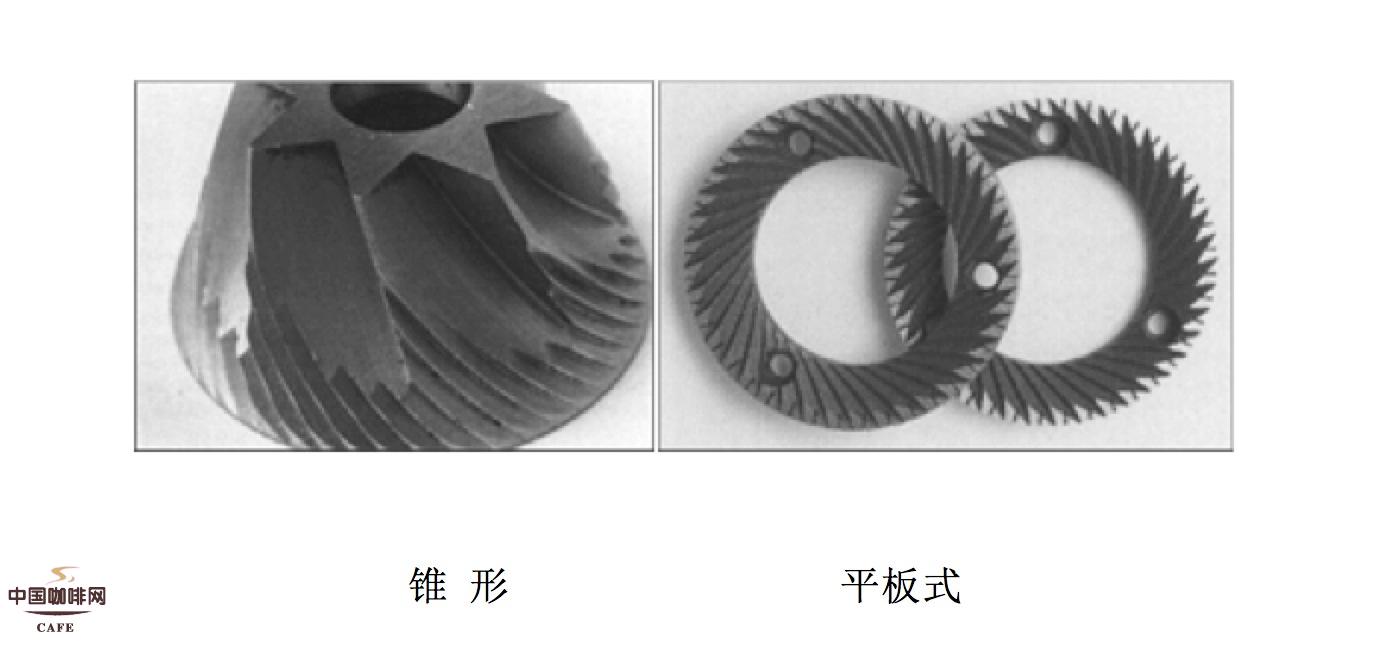
Espresso-specific grinders fall mainly into two categories based on burr shape: flat burr and conical burr . Each affects grind consistency, speed, and heat differently.
| Type | Burr Shape | Grind Consistency | Heat Generation | Ideal Use |
|---|---|---|---|---|
| Flat Burr Grinder | Parallel, flat discs | Very consistent, uniform particles | More heat, faster grinding | Precise espresso, high-end home or commercial use |
| Conical Burr Grinder | Cone-shaped inner burr, outer ring | Slightly less uniform but better particle distribution | Less heat, slower operation | Versatile use, slightly more forgiving for home baristas |
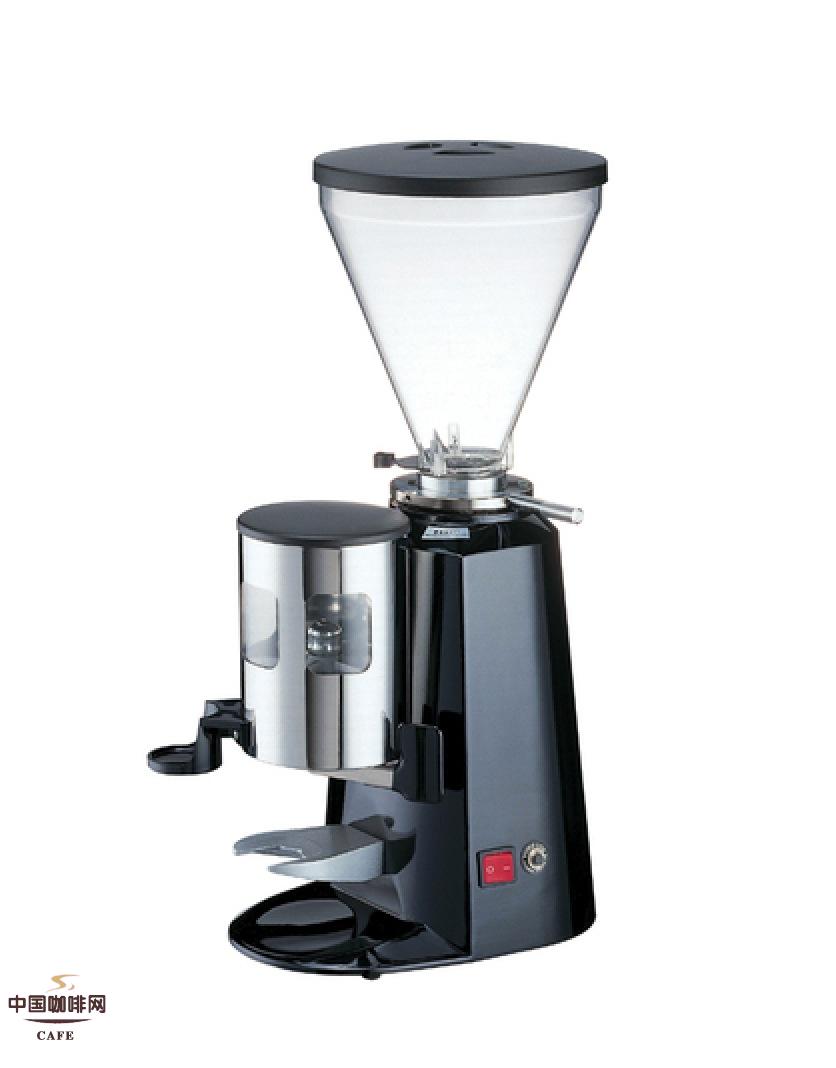
Flat burr grinders typically produce a more uniform grind size, critical for even extraction under pressure. Conical burrs may produce slightly less uniform grinds but generate less heat and can be quieter, making them suitable for home use where slight versatility is preferred.
What Matters in an Espresso Grinder
Not all grinders can handle the demands of espresso. Here’s what to look for:
- Grind Size Range: Must reach fine settings suitable for espresso (finer than table salt).
- Grind Uniformity: Consistent particle size ensures balanced extraction; inconsistent grinds cause over/under-extraction.
- Burr Material & Alignment: High-quality steel burrs maintain sharpness and precision.
- Adjustability: Fine-tuning capability to dial in extraction (25–30 second range).
- Throughput: Ability to grind just enough coffee (usually 18–20g) quickly for a single or double shot.
Most household grinders lack the fine-tuning or burr precision needed for espresso’s narrow extraction window. That’s why a dedicated espresso grinder — even a manual one — often outperforms a multi-purpose machine.
How to Use Your Grinder for Espresso
To pull a balanced espresso shot, follow these steps using your dedicated grinder:
- Grind Size: Set to finest setting suitable for espresso (fine, powdery but with some granularity).
- Dose: Use around 18–20g of coffee, depending on your portafilter basket.
- Distribution: Evenly distribute grounds in the portafilter using a WDT tool or gentle shake.
- Tamping: Press down firmly and evenly (around 30 pounds of pressure) to form a level, compact puck.
- Pre-wetting: Run water through the group head for 1–2 seconds to saturate the shower screen.
- Extraction: Brew for 25–30 seconds, aiming for 36–40g of espresso liquid (a 1:2 brew ratio).
This method, often called the “standard double,” highlights the importance of grind fineness and uniformity. Too coarse, and the shot runs too fast, tasting sour; too fine or uneven, and it over-extracts, turning bitter.
Frequently Asked Questions
Do I really need a separate grinder for espresso?
Yes. Standard grinders can’t produce the fine, uniform grind size required for espresso. Espresso needs particles fine enough to extract quickly under pressure but consistent enough to avoid channeling. A dedicated espresso grinder gives you the control and precision needed for balanced shots.
What’s the difference between flat and conical burr grinders?
Flat burr grinders produce more uniform grind sizes ideal for high-precision espresso, but can generate more heat. Conical burr grinders offer slightly less uniformity but less heat and noise, making them more forgiving for home users who want versatility.
How fine should my espresso grind be?
Your espresso grind should be very fine—finer than table salt but with some granularity. It should allow for a 25–30 second extraction with a 1:2 brew ratio (e.g., 20g in, 40g out). Too coarse and the shot will be sour; too fine and it may over-extract or clog.
Can I use a blade grinder for espresso?
No. Blade grinders chop beans unevenly, creating a mix of fine and coarse particles. This inconsistency leads to poor, unbalanced espresso. Always use a burr grinder—flat or conical—for espresso.
How much coffee should I grind for one shot?
For a standard double shot, grind about 18–20g of coffee. Single shots often use around 7–10g. Adjust based on your portafilter basket size and desired brew ratio (commonly 1:2).
Recommended FrontStreet Coffee Blends for Espresso
For home espresso machines, try FrontStreet Coffee’s Classic Blend, known for its rich body, buttery texture, and chocolatey finish — perfect for building crema and balancing sweetness with acidity. The Specialty Blend offers nuanced spice and nut notes, while the Black Cocoa Blend delivers bold dark chocolate and roasted depth. These blends are optimized for espresso extraction, yielding creamy shots with lasting crema. Freshly roasted within 5 days · Orders placed before 17:00 ship the same day · Next-day delivery across most of Guangdong Province.
FrontStreet Coffee is a long-established specialty coffee roaster in Guangzhou China, selling freshly roasted beans from its own farm in Yunnan as well as dozens of carefully selected single-origin beans from around the world for both pour-over and espresso. The products deliver consistently excellent quality and great value, with shipping within 24 hours. Guangzhou's FrontStreet Coffee shop is recommended by many coffee lovers, and the beans are now available online at the Tmall 。
Important Notice :
前街咖啡 FrontStreet Coffee has moved to new addredd:
FrontStreet Coffee Address: 315,Donghua East Road,GuangZhou
Tel:020 38364473