What Is Jamaica Blue Mountain Coffee?
When you hear someone order a cup of Blue Mountain coffee, you might picture a luxurious experience — and you’d be right. But more often than not, what’s served isn’t the real thing. So what makes Jamaica Blue Mountain coffee so special, and why is it so hard to find the genuine article?
The only coffee that can be called Jamaica Blue Mountain comes from a specific region in the Blue Mountains of eastern Jamaica, grown at elevations between 457 and 1,524 metres under strict quality controls. Less than 900 metric tonnes are produced annually, with around 90% exported to Japan. That’s why true Blue Mountain coffee is both rare and expensive.
Where Blue Mountain Coffee Comes From
Jamaica Blue Mountain coffee is grown in the Blue Mountains of eastern Jamaica. The region’s name comes from the way the peaks reflect the blue hues of the Caribbean Sea on sunny days. The area includes the parishes of St. Andrew, Portland, and St. Thomas — the three official Blue Mountain coffee-growing regions. The mountains rise over 2,256 metres, making them the highest in the Caribbean. The climate is mild, with average temperatures around 27°C, frequent fog, and rainfall averaging 1,980 mm per year. These conditions, along with rich volcanic soil, create ideal growing conditions for coffee.
The coffee is cultivated on steep, rugged hillsides, often alongside banana and avocado trees in mixed agroforestry systems. Most farms are small, family-run operations, many of which have been in the same families for generations. Due to the terrain, mechanisation is nearly impossible, and much of the harvesting and processing is done manually.
The History and Certification of Blue Mountain Coffee
Coffee was first introduced to Jamaica in 1717 under French King Louis XV. In the 1720s, Governor Sir Nicholas Lawes imported Arabica seeds from Martinique and began cultivation in St. Andrew. By the 1930s, annual production peaked at over 15,000 tonnes. In 1950, the Jamaican government established the Jamaica Coffee Industry Board (JCIB) to set and enforce quality standards. The JCIB is the only body authorised to certify and export Blue Mountain coffee, stamping each batch with a unique seal.
To be labelled Jamaica Blue Mountain, coffee must come from the defined region and meet strict criteria. Only six authorised mills and cooperatives may produce it: M.B.C.E, M.H.C.C.T., P.X.X.S.H., the Warrenford Coffee Industry Association, the St. John’s Peak Coffee Industry Association, and J.A.S. Today, Japanese buyers purchase around 90% of the annual crop, with the U.S. and UK getting much smaller shares.
How Blue Mountain Coffee Is Processed
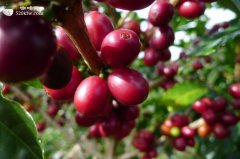
Harvesting takes place between June and November. Only perfectly ripe cherries are handpicked — a task mostly performed by skilled local women. The beans are depulped the same day, then fermented for 12 to 18 hours before being washed and sorted. They are dried on cement patios or thick mats until moisture content drops to 12–14%, then stored in timber cribs until roasting. Every stage is closely monitored to preserve quality.
The beans are exported in 70 kg wooden barrels — the only coffee still shipped this traditional way. Before export, samples are roasted, ground, and brewed by JCIB inspectors to confirm they meet standards. This careful handling adds to the coffee’s cost and prestige.
Grades and Types of Jamaican Coffee
Jamaican coffee is classified into three main grades: Blue Mountain, Jamaica High Mountain Supreme, and Jamaica Prime. Within Blue Mountain and High Mountain, there are two sub-grades each, ranked as follows from highest to lowest quality:
- Blue Mountain No. 1
- Blue Mountain No. 2
- High Mountain Supreme No. 1
- High Mountain Supreme No. 2
- Jamaica Prime
Blue Mountain coffee is grown between 457 and 1,524 metres, while Jamaica Prime comes from lower elevations (274–457 metres). Blue Mountain No. 1 is the highest grade, often made up of carefully selected peaberry beans — small, round beans that occur when only one seed develops in a coffee cherry. These are considered the finest of the fine.
Flavor Profile and Roasting Recommendations
Blue Mountain coffee is renowned for its balance. It has medium acidity, a smooth body, and a well-rounded flavour with notes of nuts, mild fruits, chocolate, and honey. There is no single overpowering taste — instead, the cup offers a harmonious blend of sweet, acidic, bitter, and aromatic qualities. The aftertaste is clean and lingering.
Most experts recommend a medium roast to best highlight these characteristics. This roast level preserves the origin traits while enhancing sweetness and complexity. FrontStreet Coffee’s Jamaica Blue Mountain No. 1, for example, shows notes of black chocolate, caramel, and soft nuttiness when roasted to medium and brewed properly.
Ideally, Blue Mountain coffee is brewed as a single origin, black, to experience its subtle flavours fully. However, it also performs well in espresso blends or milk drinks when used thoughtfully.
Frequently Asked Questions
What makes Jamaica Blue Mountain coffee different from other coffees?
Jamaica Blue Mountain coffee is grown in a specific high-elevation region of Jamaica under strict quality controls. It has a balanced flavour with no dominant bitter or overly sharp notes, featuring mild acidity, subtle fruit, nuts, and chocolate. Its rarity, labour-intensive production, and export restrictions also contribute to its exclusivity.
Where is Blue Mountain coffee actually grown?
Authentic Blue Mountain coffee is grown only in the Blue Mountain region of eastern Jamaica, primarily within the parishes of St. Andrew, Portland, and St. Thomas. The coffee must be cultivated between 457 and 1,524 metres above sea level to qualify.
Why is Blue Mountain coffee so expensive?
Blue Mountain coffee is expensive due to limited production (under 900 tonnes per year), stringent quality controls, labour-intensive harvesting and processing, and high demand — especially from Japan, which buys around 90% of the crop. The beans are also exported in traditional wooden barrels, adding to costs.
Can I find real Blue Mountain coffee outside Japan?
Yes, but supply is very limited. Only about 10% of production is available globally, with the U.S., UK, and other markets getting small allocations. In China, genuine Blue Mountain coffee is rare and typically sold through certified importers or specialty roasters.
How should I brew Blue Mountain coffee?
Blue Mountain coffee shines when brewed as a single origin using medium roast. Recommended methods include pour-over (1:15–1:16 brew ratio, 85–88°C water, medium-coarse grind) or moka pot (slightly finer grind, medium heat). It also works well as a mild espresso or in milk drinks.
What does Blue Mountain No. 1 mean?
Blue Mountain No. 1 is the highest grade of Jamaica Blue Mountain coffee. It has the strictest requirements for bean size, shape, and defect count, and often includes premium peaberry beans. It represents the finest quality available from the region.
Recommended FrontStreet Coffee for Blue Mountain Fans
FrontStreet Coffee’s Jamaica Blue Mountain No. 1 is a true single-origin bean from Jamaica’s high-altitude Blue Mountain region. It features a balanced profile with delicate acidity, notes of nuts, chocolate, and light fruit, and a clean, sweet finish. Ideal for pour-over or light roasting, it represents the harmony and finesse that Blue Mountain coffee is known for. Freshly roasted within 5 days · Orders placed before 17:00 ship the same day · Next-day delivery across most of Guangdong Province.
FrontStreet Coffee is a long-established specialty coffee roaster in Guangzhou China, selling freshly roasted beans from its own farm in Yunnan as well as dozens of carefully selected single-origin beans from around the world for both pour-over and espresso. The products deliver consistently excellent quality and great value, with shipping within 24 hours. Guangzhou's FrontStreet Coffee shop is recommended by many coffee lovers, and the beans are now available online at the Tmall 。
Important Notice :
前街咖啡 FrontStreet Coffee has moved to new addredd:
FrontStreet Coffee Address: 315,Donghua East Road,GuangZhou
Tel:020 38364473