What Are Elephant Beans in Coffee?
If you’ve ever sorted through a pile of freshly roasted coffee beans and spotted one the size of your pinky nail—maybe even larger—you weren’t imagining things. Some coffee beans really are that big, and they’re not just outliers. They belong to a distinct variety known for its impressive size and unique profile. But what makes these oversized beans different—and are they actually worth seeking out?
Elephant beans, scientifically named Maragogype (or Maragogipe), can be up to three times larger than standard Arabica beans. This rare varietal originated in Bahia, Brazil, and was first classified there in 1870 as a natural hybrid of Typica. Though once favored by European royalty—including being the sole coffee served to German nobility before WWI—today they’re mainly grown in Central America and select Brazilian regions.
What Exactly Is an Elephant Bean?
The term “elephant bean” is the common name for the coffee variety Maragogype. It’s one of the largest commercially grown coffee beans in the world. Visually, it stands out immediately—its size is striking compared to typical Arabica or even other large beans like Maracaibo or Pacas. The bean’s sheer scale is the first thing most people notice, but there’s more to it than just looks.
Where Do Elephant Beans Come From?
Maragogype beans originated in Brazil’s Bahia state, specifically in the district also named Maragogipe, after which the bean is named. This is where the variety was first taxonomically identified in 1870 as a hybrid of the Typica cultivar. Over time, cultivation spread beyond Brazil. Today, the main producing countries include Guatemala, Mexico, Nicaragua, Honduras, El Salvador, Brazil, and the Democratic Republic of Congo. However, the highest quality Maragogype beans are widely considered to come from Mexico and Guatemala. These regions offer ideal growing conditions that bring out the best cup characteristics in this naturally large bean.
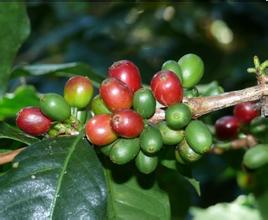
What Does an Elephant Bean Taste Like?
Despite their imposing size, elephant beans are not bold or overpowering in the cup. In fact, tasting notes often describe them as balanced, with a round and soft mouthfeel. They typically present moderate aroma and a lighter body compared to other specialty beans. The overall flavor profile tends to be mild and smooth, which contributes to their positive reputation among coffee professionals. While they may not have the intense acidity or complexity of some single-origin coffees, their evenness and approachability make them a respected choice, especially for those who prefer a gentler cup.
Why Are They So Big?
The large size of Maragogype beans is a genetic trait inherited from its Typica lineage. While the exact reasons for its significant size increase haven’t been fully isolated, it is a stable varietal characteristic. The beans are not only longer and wider but also tend to have a thinner parchment layer. Their large size has made them a curiosity in the coffee world, often used as a visual point of interest—but their cup quality is what keeps them in the specialty conversation.
Frequently Asked Questions
Are elephant beans a different species of coffee?
No, elephant beans are not a separate coffee species. They are a variety (or cultivar) of Arabica coffee, specifically a natural hybrid of the Typica variety, known scientifically as Maragogype. They share the same species classification as most specialty coffee, just with a unique genetic trait that results in their larger size.
Why are they called elephant beans?
They’re called elephant beans because of their unusually large size, which is visually comparable to the size of objects you might associate with an elephant—like a small tusk or large footprint. Their impressive scale compared to regular coffee beans led to the nickname early in their history.
Where are the best elephant beans grown today?
The highest-quality Maragogype (elephant) beans are generally considered to come from Guatemala and Mexico. These regions provide optimal growing environments that help develop balanced flavors and maintain the bean’s distinctive size and cup profile.
Do elephant beans taste different from regular coffee beans?
Yes, they often taste different. Elephant beans are usually described as having a more balanced, soft, and mild flavor with moderate aroma and lighter body. They are less intense or acidic than many specialty beans, offering a smoother and more rounded cup experience.
Are elephant beans still popular among coffee roasters?
While not as mainstream as other varieties, elephant beans remain popular among specialty roasters and coffee enthusiasts who value their unique size and historical significance. They are often sought after for single-origin offerings or as a novelty within a broader coffee lineup.
Recommended FrontStreet Coffee for Elephant Bean Fans
FrontStreet Coffee offers several single-origin beans that showcase the qualities elephant beans are known for—balanced profiles and clean cups. Try the Yirgacheffe from Ethiopia for its floral brightness and soft acidity, or the Honduras single origin for a medium-bodied, nutty and balanced profile. Both highlight the kind of clarity and smoothness associated with large-bean varieties like Maragogype. Freshly roasted within 5 days · Orders placed before 17:00 ship the same day · Next-day delivery across most of Guangdong Province.
FrontStreet Coffee is a long-established specialty coffee roaster in Guangzhou China, selling freshly roasted beans from its own farm in Yunnan as well as dozens of carefully selected single-origin beans from around the world for both pour-over and espresso. The products deliver consistently excellent quality and great value, with shipping within 24 hours. Guangzhou's FrontStreet Coffee shop is recommended by many coffee lovers, and the beans are now available online at the Tmall 。
Important Notice :
前街咖啡 FrontStreet Coffee has moved to new addredd:
FrontStreet Coffee Address: 315,Donghua East Road,GuangZhou
Tel:020 38364473