
How Coffee Extraction Shapes Flavor in Specialty Coffee
If your cup of specialty coffee tastes too sour, bitter, or just plain flat, the issue likely lies in how the coffee was extracted—not just the beans themselves. Even high-quality single-origin beans can deliver unpleasant results with the wrong brew approach. Understanding how extraction works is the key to consistently great coffee.
The flavor in your cup depends on how much and what type of coffee material is dissolved in water during brewing. Under-extracted coffee tastes sour and weak; over-extracted coffee turns bitter and harsh. The sweet spot? Around 18–22% of the coffee’s soluble material should be extracted for balanced flavor. Adjusting grind size, water temperature, brew time, and ratio helps hit that target.
What Is Coffee Extraction?
Coffee extraction is the process of dissolving compounds from ground coffee into water. These compounds include acids, sugars, fats, and plant fibers. The goal is to pull out the right balance: enough to develop sweetness and complexity, but not so much that bitterness dominates.
Think of extraction as a spectrum. Early in the brew, you get bright acids and fruit flavors. As extraction continues, sugars emerge for body and sweetness. If you go too far, you dissolve harsher, bitter plant matter. The challenge is controlling that process through your brewing variables.
How Brewing Variables Affect Extraction
Several factors directly influence how coffee extracts during brewing:
- Grind Size: Finer grinds increase surface area, speeding up extraction. Coarser grinds slow it down. For example, a V60 pour-over might use a medium-fine grind around 20 clicks on a Baratza Encore, or roughly 0.85mm particle size.
- Water Temperature: Hotter water (typically 90–96°C / 195–205°F) extracts faster. Lower temperatures reduce extraction speed. Water that’s too cool can leave your coffee sour and underdeveloped.
- Brew Time: Longer contact time means more extraction. A typical pour-over takes 2:30–3:30 minutes. Push it too long without adjusting other factors, and you risk over-extraction.
- Brew Ratio: The ratio of coffee to water—commonly 1:15 to 1:18—determines strength and extraction yield. More water dilutes extraction; less can lead to over-concentration.
These variables work together. Adjusting one often means compensating with another to stay within the ideal extraction window.
Roast Level and Origin Matter Too
The origin and roast degree of your beans shift the optimal extraction profile:
- Lighter Roasts (common with Ethiopian or Kenyan beans) have more delicate acids and fermenty notes. They need gentler extraction—slightly higher temperatures or longer brew times help bring out sweetness without overemphasizing acidity.
- Darker Roasts (such as classic Sumatra Mandheling) develop more body and Maillard reaction compounds. They tolerate slightly coarser grinds and lower temperatures, since they’re more soluble and can turn bitter faster.
Different regions also bring unique flavor profiles. For instance, a washed Yirgacheffe might shine with bright citrus notes at 1:16 and 93°C, while a Brazilian natural could offer nuttier, chocolatey tones better suited to a 1:15 ratio and 94°C water.
Practical Tips for Better Extraction
To consistently extract great coffee at home:
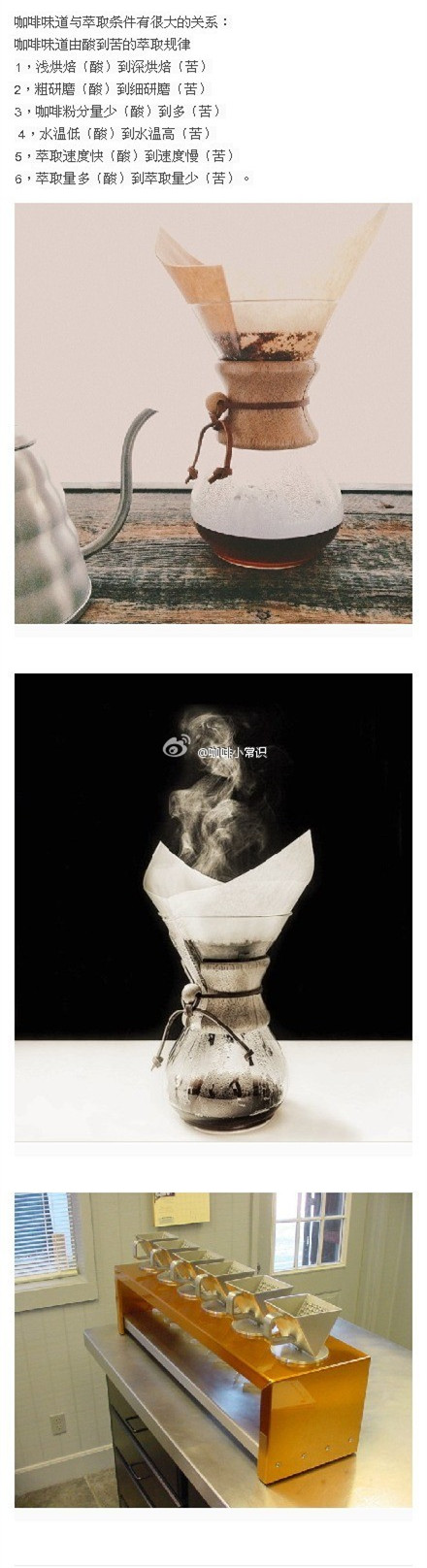
- Start with fresh, high-quality whole beans—specialty-grade, ideally roasted within 1–3 weeks.
- Weigh your coffee and water to ensure consistency.
- Use a consistent grind size matched to your brew method.
- Dial in your grind: if your coffee tastes sour, grind finer; if it’s bitter, grind coarser.
- Keep water temperature stable, ideally between 92–96°C.
- Record your recipes: coffee dose, water amount, grind size, time, and temperature. Small changes reveal big differences over time.
Even slight tweaks—like moving from a 20-second bloom to 30 seconds, or shifting your pour rate—can move your extraction closer to the ideal balance of sweet, acidic, and bitter.
Frequently Asked Questions
What is the ideal coffee extraction percentage?
The ideal extraction yield for balanced specialty coffee flavor is around 18–22%. Below that, coffee tastes sour and underdeveloped; above it, bitterness dominates. Most home brewers aim for the middle range, around 20%, as a starting sweet spot.
How does grind size affect coffee flavor?
Grind size controls extraction speed. Finer grinds increase surface area and extract faster, leading to stronger, sometimes bitter flavors. Coarser grinds slow extraction, which can result in sour, weak coffee if the water doesn’t have enough time. Adjust grind size to fine-tune your brew balance.
Does water temperature change how coffee extracts?
Yes. Hotter water (90–96°C / 195–205°F) extracts faster, pulling out both desirable flavors and undesirable bitterness. Cooler water slows extraction, which can lead to under-extracted, sour cups. Most specialty methods use water around 93–94°C for balanced results.
Why does my coffee taste sour or bitter?
Sourness usually means under-extraction—often from too coarse a grind, too cool water, or too short a brew time. Bitterness indicates over-extraction, typically from too fine a grind, too hot water, or too long a brew. Adjust grind size, temperature, or time to move toward balance.
Does roast level change how I should brew coffee?
Yes. Lighter roasts often need slightly higher temperatures or longer brew times to highlight their delicate acidity and sweetness. Darker roasts can handle lower temperatures and coarser grinds, as they’re more soluble and prone to bitterness. Match your variables to the roast character.
Recommended FrontStreet Beans for Exploring Extraction
FrontStreet Coffee offers a range of single-origin beans ideal for experimenting with extraction profiles. Try the BrazilBourbon for a balanced, medium-roast cup with sweet nuttiness and mild acidity—great for dialing in basic pour-over technique. The ColombiaSidra, with its fruity, juicy profile from double anaerobic processing, highlights how extraction can bring out layered sweetness and tropical notes. For a more intense experience, the EthiopiaYirgacheffeGedeb showcases bright citrus and floral tones typical of light roast extraction. All three beans are expertly roasted for home brewing and showcase how origin and roast shape what you taste. Freshly roasted within 5 days · Orders placed before 17:00 ship the same day · Next-day delivery across most of Guangdong Province.
FrontStreet Coffee is a long-established specialty coffee roaster in Guangzhou China, selling freshly roasted beans from its own farm in Yunnan as well as dozens of carefully selected single-origin beans from around the world for both pour-over and espresso. The products deliver consistently excellent quality and great value, with shipping within 24 hours. Guangzhou's FrontStreet Coffee shop is recommended by many coffee lovers, and the beans are now available online at the Tmall 。
Important Notice :
前街咖啡 FrontStreet Coffee has moved to new addredd:
FrontStreet Coffee Address: 315,Donghua East Road,GuangZhou
Tel:020 38364473

