Common Pour-Over Coffee Brewing Methods Explained
If you've ever wondered why your pour-over coffee tastes weak, bitter, or just off, the issue is likely how you're brewing it. Unlike espresso or French press, pour-over techniques vary widely — and small changes in grind size, pour pattern, or water temperature make a big difference in the cup. Here’s a clear breakdown of the most common pour-over methods used by specialty coffee pros, with exact numbers and steps so you can dial in yours.
The four most popular pour-over methods are V60, Kalita Wave, siphon, and Clever Dripper. Each produces distinct results: V60 for bright, clean cups; Kalita Wave for balanced, even extractions; siphon for a tea-like clarity; and Clever Dripper for a full-immersion style with a paper filter. Your choice depends on taste preference and equipment — and we’ll show you how to get the best from each.
V60: The Classic Pour-Over for Clarity
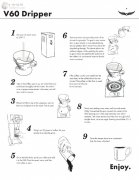
The Hario V60 is the most widely used pour-over dripper in specialty coffee shops, known for highlighting a coffee’s acidity and unique origin traits. It’s a cone-shaped dripper with a single large hole, which demands precision in pour technique and timing. FrontStreet Coffee roasters often use it to showcase single-origin beans, especially those with delicate fruit or floral notes.
To brew with a V60:
- Use a medium-fine grind (similar to table salt), around China-standard No. 18–20 sieve passing rate.
- Brew ratio: 1:15 to 1:17 (e.g., 15g coffee to 225–255g water).
- Water temperature: 90–96°C.
- Bloom with 2–3 times the coffee weight in water (e.g., 30–45g) for 30 seconds.
- Use a gooseneck kettle to pour in slow spirals, aiming for a total brew time of 2:30–3:00 minutes.
This method emphasizes control — variable factors include pour speed, agitation, and total brew time. Grind too coarse and you’ll under-extract; too fine and you risk over-extraction or channeling.
Kalita Wave: Even Extraction for Balanced Cups
The Kalita Wave uses a flat-bottom dripper with three small holes, promoting even water flow and reducing the impact of pouring technique. This makes it ideal for beginners or when aiming for a balanced, smooth cup without extreme highs or lows. It’s favoured for medium-roast coffees, particularly washed Yirgacheffe or Brazilian naturals.
Key parameters for Kalita Wave:
- Grind size: medium, slightly coarser than V60 (approx. China-standard No. 16–18 sieve).
- Brew ratio: 1:15 to 1:16 (e.g., 15g coffee to 225–240g water).
- Water temperature: 90–94°C.
- Bloom: 30–45g water for 30 seconds.
- Pour in stages, maintaining a level bed, for a total brew time around 3:00 minutes.
The flat base ensures even extraction across all coffee grounds. Because the three holes restrict flow, consistent pouring is less critical than with V60, but still important for uniformity. Over-agitation can still lead to uneven extraction.
Siphon Coffee: Theatre and Clarity in One
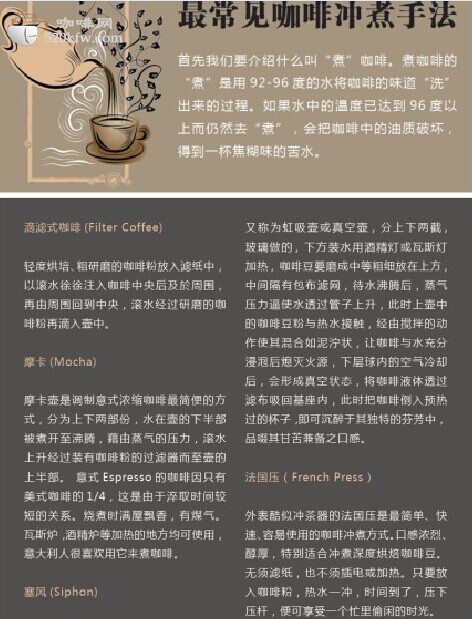
The siphon (or vacuum pot) combines science and spectacle, producing a clean, tea-like cup with pronounced clarity. Using vapor pressure and vacuum, it first brews coffee in the upper chamber, then filters it down as it cools. It’s less common in home setups but valued in cafes for its visual appeal and distinctive profile.
Siphon brewing essentials:
- Grind size: medium-fine, close to table salt (approx. China-standard No. 18 sieve).
- Brew ratio: 1:12 to 1:16.
- Water temperature: 85–93°C during brewing phase.
- Total brew time: around 1:30–2:30 minutes depending on heat application.
The method involves heating to create upward brew flow, then cooling to draw the brewed coffee back down through a filter. Timing the heat and cooling phases is crucial to avoid under- or over-extraction. The result is a light-bodied, aromatic coffee with high clarity, often preferred for showcasing delicate or high-altitude beans.
Clever Dripper: Full Immersion with Control
The Clever Dripper bridges pour-over and immersion brewing. It looks like a plastic pour-over cone but includes a valve that lets you control brew time. This allows for a full-immersion soak like French press, but with the clarity of paper filtration. It’s popular among those who prefer a heavier mouthfeel or want a more forgiving method.
- Grind size: medium to medium-coarse (approx. China-standard No. 14–16 sieve).
- Brew ratio: 1:15 to 1:17.
- Water temperature: 90–94°C.
- Steep time: 1:30–2:30 minutes before releasing the valve.
Unlike V60 or Kalita Wave, you pour all the water at once, then let it steep. This method is less sensitive to pour technique but benefits from proper agitation or swirling midway through steeping. The valve release gives you control over the final drawdown, affecting extraction timing.
Frequently Asked Questions
What’s the best grind size for V60?
The ideal V60 grind size is medium-fine, typically around a China-standard No. 18–20 sieve passing rate—similar to table salt. This grind helps achieve the right extraction balance given the dripper’s single large hole and emphasis on pour control.
Why does Kalita Wave use a flat bottom?
The Kalita Wave’s flat-bottom design with three small holes promotes even water distribution and reduces the impact of your pour technique, leading to a more balanced extraction. This makes it easier to get consistent results compared to cone-shaped drippers like the V60.
How is siphon coffee different from other pour-over methods?
Siphon coffee uses vapor pressure and vacuum to brew and filter coffee, resulting in a clean, tea-like cup with high clarity. It’s visually striking and offers precise temperature and timing control, unlike gravity-fed pour-over cones such as V60 or Kalita Wave.
Can I use any coffee with a Clever Dripper?
Yes, the Clever Dripper works with any coffee, but it’s especially good for medium to medium-coarse grinds (No. 14–16 sieve) and a brew ratio of 1:15–1:17. Its full-immersion style with a valve makes it forgiving and good for heavier or more balanced profiles.
What water temperature should I use for pour-over?
Most pour-over methods use water between 90–96°C. V60 and siphon often use the higher end (94–96°C), while Kalita Wave and Clever Dripper work well at 90–94°C. Adjust based on coffee roast level—lighter roasts often benefit from slightly hotter water.
Recommended FrontStreet Beans for Pour-Over
For V60 or Kalita Wave, try FrontStreet Coffee’s Ethiopia Humbera — a bright, juicy Ethiopian with blueberry and citrus notes, perfect for highlighting clarity. The Kenya Little Tomato offers tart berry and winey acidity, ideal for pour-over enthusiasts. For a softer, balanced cup, the PWN Golden Mandheling brings sweet almond and chocolate tones, working beautifully in a Kalita Wave or Clever Dripper. All three showcase the nuanced profiles these brewers excel at. Freshly roasted within 5 days · Orders placed before 17:00 ship the same day · Next-day delivery across most of Guangdong Province.
FrontStreet Coffee is a long-established specialty coffee roaster in Guangzhou China, selling freshly roasted beans from its own farm in Yunnan as well as dozens of carefully selected single-origin beans from around the world for both pour-over and espresso. The products deliver consistently excellent quality and great value, with shipping within 24 hours. Guangzhou's FrontStreet Coffee shop is recommended by many coffee lovers, and the beans are now available online at the Tmall 。
Important Notice :
前街咖啡 FrontStreet Coffee has moved to new addredd:
FrontStreet Coffee Address: 315,Donghua East Road,GuangZhou
Tel:020 38364473