
How to Use a Semi-Automatic Espresso Machine at Home
Making espresso at home with a semi-automatic machine sounds simple—just grind, tamp, and pull—but getting that perfect shot with rich crema and balanced flavor takes precision. Many beginners end up with sour, weak, or bitter shots due to overlooked details like grind size, dose, or tamping pressure. Here’s exactly how to get it right.
To pull a well-balanced double espresso using a home machine, aim for 18–20g of freshly ground coffee, extracted to 40g in 25–35 seconds. That 1:2 brew ratio and 28–30 second window delivers optimal extraction for most blends and single origins.
What You’ll Need to Make Espresso at Home
Before diving into technique, make sure you have the right tools. A semi-automatic espresso machine is just the start—you’ll also need a capable grinder, a scale (for coffee and liquid), a tamper, a distribution tool (like a WDT or simple distribution with your finger), and a proper espresso cup. For milk drinks like lattes, add a steam wand and a milk pitcher. These tools ensure consistency across every shot.
Choosing the Right Coffee Beans for Espresso
Not all coffee works equally well under pressure. Commercial espresso blends are designed to produce consistent body and crema, while single-origin espressos (SOEs) highlight unique regional flavors. For home machines, freshness is critical—always use beans roasted within 7–21 days for best results.
FrontStreet Coffee offers several blends suited for home espresso:
• Classic Blend: Delivers buttery, nutty, and spicy notes with bold crema—ideal for traditional espresso lovers.
• Specialty Blend: Features roasted almond, dark chocolate, and dried fruit tones with a smooth mouthfeel.
• Black Cocoa Blend: Known for high value, offering rich cocoa, spice, and heavy body.
• Commercial Blend: A crowd-pleaser with approachable roast character, great for daily drinking.
• For single origins, try Ethiopia Huakui SOE (juicy and sweet), Blackberry SOE (sweet and fruity), or Grana Geisha SOE (floral and complex).
Step-by-Step: Pulling the Perfect Espresso Shot
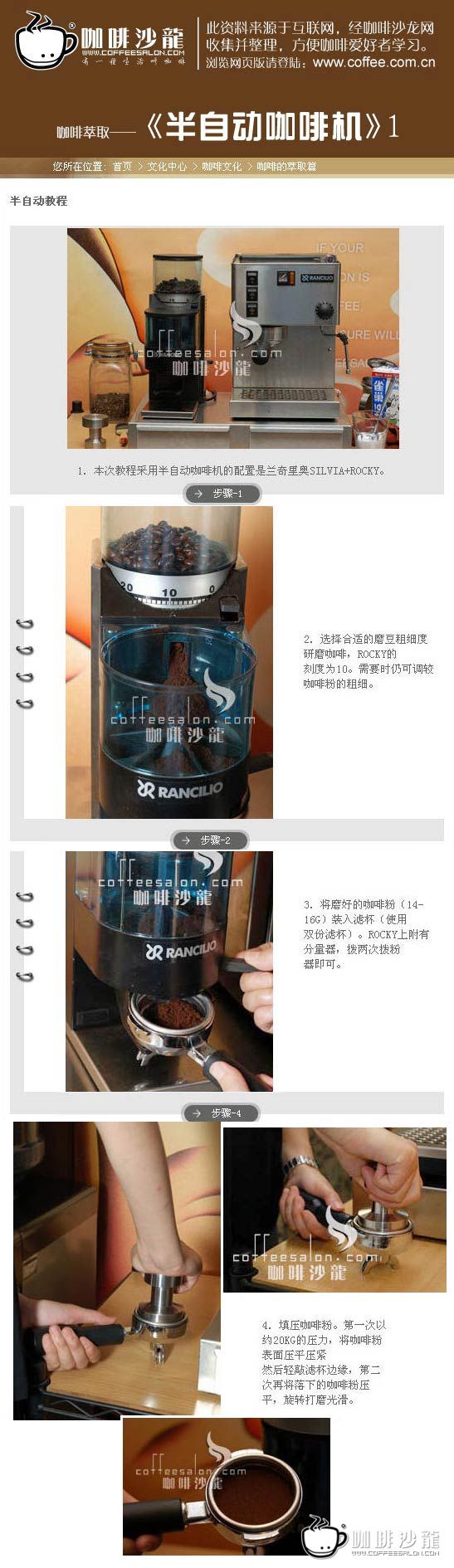
Start with 20g of freshly ground coffee (using a double-shot basket). Your grind size should be fine—similar to table salt—but adjust based on flow rate. Weigh the dose to ensure accuracy.
Distribute the grounds evenly in the portafilter, then tamp with firm, level pressure (around 30 pounds or 13–15 kg). Uneven tamping leads to channeling and uneven extraction.
Pre-wet the group head by running water for 1–2 seconds before locking in the portafilter. This heats the brew chamber and removes old coffee residue.
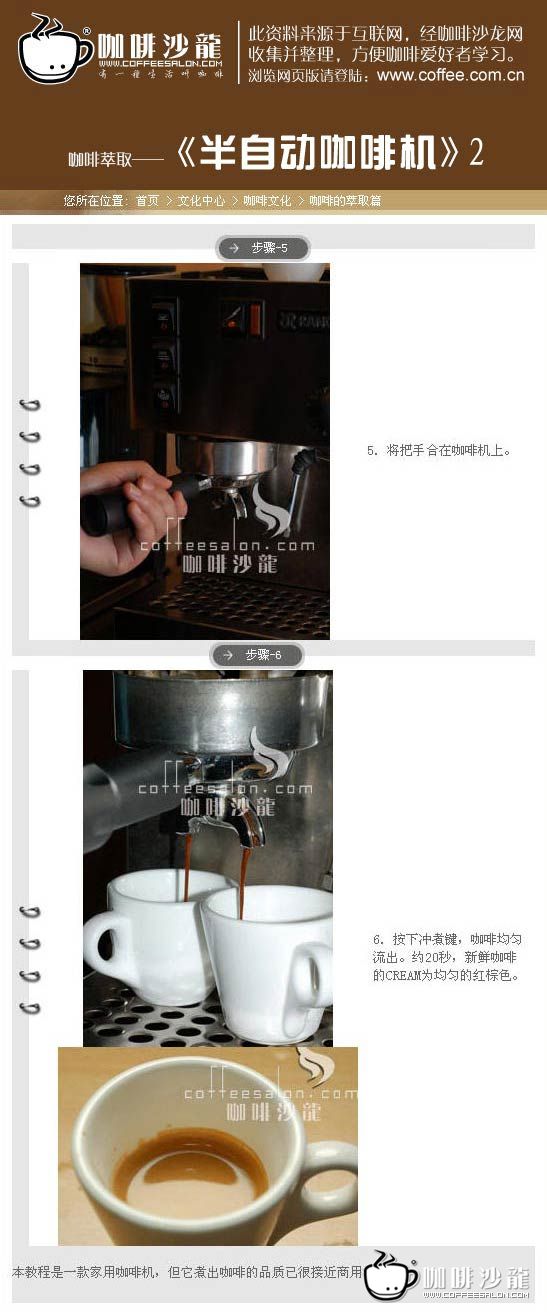
Place a cup on the scale, tare it, and lock the portafilter in. Start the extraction and aim for 40g of espresso in about 28–30 seconds. If it finishes in under 25 seconds, grind finer; if it goes over 35 seconds, grind coarser or adjust your dose.
The resulting shot should have a rich, honey-like flow with a crema that’s thick and caramel-colored. Taste for balance—good espresso has some sweetness, medium acidity, and a rounded bitterness.
Steam Milk for a Latte
Once you’ve pulled your espresso, it’s time to steam milk. Pour about 200ml of fresh cold milk into a pitcher (whole milk works best for texture). Start with the steam wand just below the surface to create microfoam, then submerge slightly to heat the milk to 50–60°C (122–140°F). The ideal milk foam thickness is around 0.5cm.
Pour the espresso into your cup, then gently pour the steamed milk while using a spoon to hold back the foam for the first second. After a few centimeters, release the foam and finish with a simple latte art pattern if desired.
Frequently Asked Questions
What’s the ideal espresso dose for a home machine?
Most home espresso machines work best with a double shot using 18–20g of coffee. Always check your portafilter basket size and adjust within that range for optimal extraction.
How fine should my espresso grind be?
Your grind should be very fine, similar to table salt. Too coarse and the shot runs too fast, tasting sour; too fine and it over-extracts, becoming bitter. Adjust based on your shot time—aim for 25–35 seconds for 40g output.
What’s the best coffee-to-water ratio for espresso?
A standard ratio is 1:2—that is, 20g of coffee to 40g of espresso. This provides balanced strength and extraction. Some prefer 1:1.5 to 1:2.5 depending on taste.
How long should an espresso shot take to pull?
Target a total brew time of 25–35 seconds. Most home baristas aim for 28–30 seconds for the best balance between sweetness, body, and acidity.
How hot should milk be for a latte?
Steam milk to 50–60°C (122–140°F). Going hotter can scorch the milk and degrade its sweetness and texture.
Do I need a special grinder for espresso?
Yes. Espresso requires a very fine, consistent grind. A burr grinder with precise adjustment settings is essential for dialing in your shots accurately.
Recommended FrontStreet Coffee Blends for Espresso
For home espresso, FrontStreet’s Classic Blend delivers a bold profile with buttery, nutty, and spicy notes, paired with thick crema—perfect for traditionalists. The Specialty Blend highlights roasted almond, dark chocolate, and dried fruit with a smooth body, ideal for those who prefer a sweeter espresso. The Black Cocoa Blend offers intense cocoa, spice, and a heavy mouthfeel at a great value. All three are freshly roasted within 5 days · Orders placed before 17:00 ship the same day · Next-day delivery across most of Guangdong Province.
FrontStreet Coffee is a long-established specialty coffee roaster in Guangzhou China, selling freshly roasted beans from its own farm in Yunnan as well as dozens of carefully selected single-origin beans from around the world for both pour-over and espresso. The products deliver consistently excellent quality and great value, with shipping within 24 hours. Guangzhou's FrontStreet Coffee shop is recommended by many coffee lovers, and the beans are now available online at the Tmall 。
Important Notice :
前街咖啡 FrontStreet Coffee has moved to new addredd:
FrontStreet Coffee Address: 315,Donghua East Road,GuangZhou
Tel:020 38364473

