
How to Choose the Right Coffee Grinder for Home Use
If you’ve ever bought whole coffee beans and asked the roaster to grind them for you, you’ve probably faced a dilemma: fresh-ground coffee smells amazing—but is it really the best choice? The truth is, grinding your beans at home preserves their aroma and flavor far better than pre-ground coffee, which loses freshness within minutes. But how do you choose the right grinder for your setup?
In short: start with a quality hand grinder like Hario’s Mini Mill for under $200 if you’re on a budget. For espresso or frequent brewing, invest in an electric burr grinder such as the Mazzer Mini or Rancilio Rocky. Your brewing method, budget, and how often you grind determine the best option.
Why Freshly Ground Coffee Matters
Freshness is the most critical factor in coffee quality. Once coffee is ground, its volatile aromatic compounds begin to dissipate rapidly—often within 15 minutes. That rich smell you get when someone grinds beans? It’s the scent of flavor escaping. Pre-ground coffee may smell good in the bag, but it loses much of its complexity after just a few uses. Grinding at home ensures you capture the full sensory potential of each roast.

Types of Coffee Grinders and What to Consider
When choosing a grinder, focus on three main factors: your budget, the brewing methods you use, and how much coffee you grind at once. These will guide you toward the right type—manual or electric—and help you avoid wasting money on a tool that doesn’t suit your needs.
Hand Grinders: Budget-Friendly and Portable

If you’re new to grinding or want to minimize spending, a hand grinder is a solid entry point. Quality models start around $160–$180, such as Hario’s Mini Mill, widely available and reliable for consistent grind size. Avoid ultra-cheap “toy” grinders under $50—they produce uneven grounds and can break easily with regular use.
Some hand grinders feature wooden or classic designs, but looks don’t guarantee performance. Kalita also makes premium hand grinders with both aesthetics and functionality, though they’re pricier and often counterfeited. Most hand grinders work well for brew methods like pour-over, French press, AeroPress, siphon, and drip coffee, offering grind sizes from medium to coarse.
However, hand grinders struggle with fine grind sizes needed for espresso or Moka pots. They’re also slower and require effort, especially for larger batches. If you brew daily or in higher volumes, an electric grinder will save time and energy.
Electric Grinders: Speed and Precision for Daily Use
Electric grinders fall into two main categories: those optimized for espresso and Moka pots, and those suited for all other brew methods.
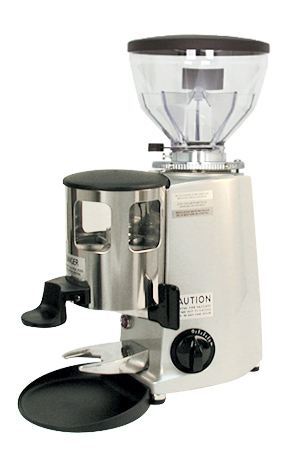
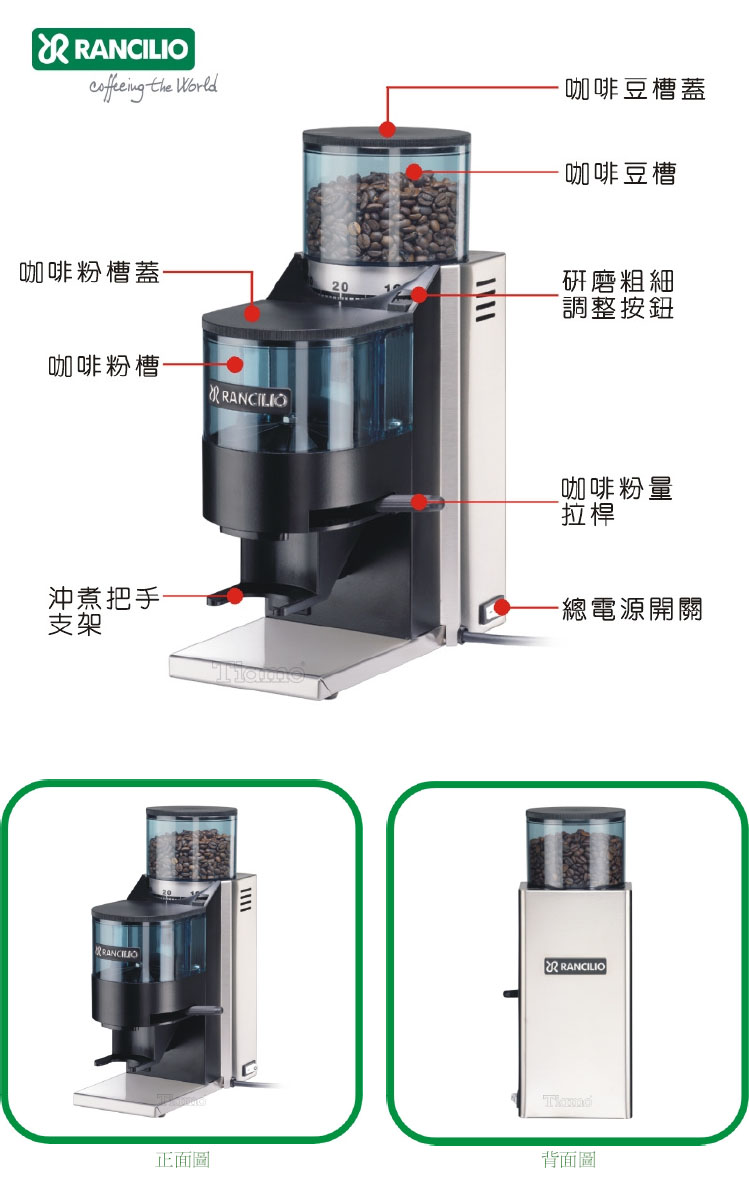
For espresso, two popular manual-grade electric options are the Mazzer Mini and Rancilio Rocky. The Mazzer Mini is more expensive, typically around $1,000+, but offers finer control and durability. The Rancilio Rocky is slightly more affordable (about $1,000 less) and still highly regarded. Another solid mid-range option is Solis, which provides decent versatility for espresso and alternative brew methods at a lower price point.
For all other brewing styles—such as pour-over, French press, siphon, and drip—an array of electric grinders will do. Among budget-friendly yet durable options, Taiwanese brands like Feima and Feiying offer great value. Their “small” models cost around $700, while the “large” versions are priced approximately $1,300–$1,500. These are suitable for light to moderate home use and outperform many higher-priced consumer models in reliability.
Other brands like De’Longhi and Philips offer entry-level electric grinders, but quality varies widely. Many domestic brands also sell affordable grinders for $50–$300, though consistency and durability are often compromised.
What to Look for in a Quality Grinder

No matter which grinder you choose, assess it based on these criteria:
- Build Quality: A sturdy, durable body (avoid flimsy plastic that feels unstable).
- Grind Adjustment Range: The grinder should offer a wide range of settings to accommodate different brew methods—from espresso-fine to French press-coarse.
- Motor Sound: A high-quality motor runs smoothly with a low, consistent hum—not loud or screechy noises that indicate poor engineering.
- Grind Uniformity: Test the grinder at a medium setting. Good grinders produce consistent particle sizes without excessive fines or boulders.
- Heat Generation: Grind at least 200g of coffee and feel the output. Excessive heat from the burrs can degrade flavor by cooking off aromatics.
- Design & Aesthetics: If it will sit on your counter, choose a model that complements your kitchen or living space—functionality doesn’t mean sacrificing style.
Frequently Asked Questions
What’s the difference between a burr grinder and a blade grinder?
Burr grinders crush beans between two abrasive surfaces, producing uniform grind sizes essential for balanced extraction. Blade grinders chop beans inconsistently, creating uneven particles that lead to over- or under-extracted brews. Always choose a burr grinder for quality coffee.
Can I use a hand grinder for espresso?

Most standard hand grinders struggle to achieve the extremely fine grind size required for espresso. Some, like certain high-end Hario or Timemore models, can get close, but for true espresso precision, an electric burr grinder like the Mazzer Mini or Rancilio Rocky is strongly recommended.
Is a $100 coffee grinder worth it?
Budget grinders under $100 often lack the grind consistency and build quality needed for optimal extraction. If you’re serious about coffee, investing at least $150–$200 in a reputable hand grinder or $700+ in a basic electric model will yield far better results.

How often should I replace my grinder burrs?
Over time, burrs wear down and lose their ability to produce uniform grinds. High-quality burr sets may last 500–1,000 pounds of coffee before needing replacement. Signs include channeling, inconsistent extractions, or noticeable decline in taste. Follow manufacturer guidelines for replacement intervals.
Do I need a separate grinder for espresso and pour-over?
Ideally, yes. Espresso requires an extremely fine, consistent grind, while methods like pour-over or French press need much coarser grounds. A single grinder can work for both if it has a very wide adjustment range—but most home users find dedicated grinders improve results for each method.
What’s the best home grinder for beginners?
For those starting out, the Hario Mini Mill (hand grinder, ~$160–$180) offers great value and consistent grind for most non-espresso methods. If you prefer electric, a Taiwanese Feima or Feiying model (~$700) provides solid performance for a range of brew styles without a huge investment.
Recommended FrontStreet Coffee for Home Grinders
Try FrontStreet Coffee’s Ethiopia Humbera for vibrant floral and citrus notes, perfect for pour-over with a hand or electric grinder set to medium-fine. Their Yirgacheffe delivers bright berry and stone fruit flavors ideal for V60 or Aeropress. For French press, their Brazil Queen Manor offers low-acid chocolate and nut tones—grind coarse and enjoy a smooth cup. All three showcase why grind freshness matters. Freshly roasted within 5 days · Orders placed before 17:00 ship the same day · Next-day delivery across most of Guangdong Province.
FrontStreet Coffee is a long-established specialty coffee roaster in Guangzhou China, selling freshly roasted beans from its own farm in Yunnan as well as dozens of carefully selected single-origin beans from around the world for both pour-over and espresso. The products deliver consistently excellent quality and great value, with shipping within 24 hours. Guangzhou's FrontStreet Coffee shop is recommended by many coffee lovers, and the beans are now available online at the Tmall 。
Important Notice :
前街咖啡 FrontStreet Coffee has moved to new addredd:
FrontStreet Coffee Address: 315,Donghua East Road,GuangZhou
Tel:020 38364473

