Two Ways to Extract Espresso and Filter Coffee
If you’ve ever wondered why your home-brewed espresso doesn’t look or taste like the café version, or why your French press coffee takes minutes while your café shot pulls in seconds, the answer lies in how the coffee was extracted. All brewing methods share the same core principles—but two distinct approaches define nearly every cup you’ve had.
In short: modern coffee extraction boils down to two methods—espresso, made under nine bars of pressure in 22–27 seconds, and steep extraction, which relies on gravity or low pressure over several minutes. That pressure and time difference changes everything.
How All Coffee Extraction Works
All modern coffee brewing, whether espresso or pour-over, follows the same physical process: grind coffee to increase surface area, soak it in hot water to dissolve flavors, then separate the liquid from the grounds. There’s little to no chemical change involved. What varies is the grind size, water temperature, immersion time, and how you separate the brew from the grounds—these factors create the wide world of coffee brewing devices.
Espresso: Pressure-Driven Extraction
Espresso is unique. Invented in Italy, it’s defined by four technical constants: 88–95°C water temperature, 9 atmospheres (bars) of pressure, a 22–27 second brew time, and a yield of around 30 milliliters (about 1 ounce). These parameters cannot be achieved without specialized machinery—regular gravity or manual methods won’t get you there. The high pressure forces water through finely ground coffee, producing a small, concentrated shot with a characteristic crema on top. Making good espresso demands precise equipment: a quality espresso machine and grinder, both of which come with significant price tags and technical requirements.
Steep Extraction: Traditional and Low-Pressure Methods
Steep extraction covers all other common brewing methods. These rely on lower pressure—around 1 atmosphere—and longer brew times. This category includes several sub-methods:
1. Pressurized Filtration
This includes devices that use a manually applied plunger to filter coffee, such as the French Press (also called a cafetière) and the AeroPress. Pressure is applied by hand, and extraction happens over a few minutes while coffee steeps in hot water.
2. Siphon (Vacuum) Brewing
The siphon or syphon method uses vapor pressure and vacuum forces to brew coffee. Devices like the Syphon (or siphon pot) and Belgian coffee makers fall into this category. Though more complex, they still operate around 1 atmosphere of pressure and take longer than espresso.
3. Drip or Gravity Filtration
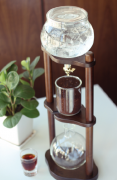
This is the most common home brewing style, where hot water drips through coffee grounds by gravity alone. Examples include American electric drip machines, Vietnamese phin filters, the Swissgold kf-300, hand-pour setups, and even cold drip systems. No added pressure—just time and gravity.
4. Steam-Pressurized Brewing

The Moka pot, a stovetop device popular in Italy and beyond, uses steam pressure to push water through coffee grounds. Though sometimes mistakenly called an espresso maker, Moka pots typically generate just over 1 atmosphere of pressure—far less than espresso’s 9 bars. Their brew time and pressure characteristics align them more closely with traditional steep extraction methods, despite the concentrated output.
Why the Pressure and Time Difference Matters
The defining difference between espresso and steep extraction isn’t just the tools—it’s the pressure and time involved. Espresso’s high pressure and short brew time create intensity, crema, and a very different flavor profile. Steep methods, with their longer contact time and lower pressure, produce a lighter-bodied, more nuanced cup through gradual extraction. Both methods rely on the same fundamentals—grind size, temperature, and extraction duration—but how they apply those variables splits the coffee world in two.
Frequently Asked Questions
What really defines espresso extraction?
Espresso is defined by four specific factors: 88–95°C water temperature, 9 bars of pressure, a 22–27 second extraction time, and a yield of approximately 30ml. Without all four—especially the 9-bar pressure—you’re not making espresso, even if the result looks similar.
Does a Moka pot make real espresso?
No. Though Moka pots produce a strong, concentrated coffee and are often called “stovetop espresso makers,” they operate at just over 1 atmosphere of pressure—not the 9 bars required for true espresso. Their brew method and pressure place them firmly in the steep extraction category.
What’s the difference between steep and pressure brewing?
Steep brewing relies on gravity or low pressure (around 1 atm) and longer extraction times, while pressure brewing—like espresso—uses high pressure (9 atm) to force water through coffee in a short time (22–27 sec). This affects body, intensity, and crema formation.
Can I make espresso without a machine?
Not really. True espresso requires 9 bars of pressure, which you can’t generate manually or with basic home tools. Devices like the AeroPress or Moka pot can make strong coffee, but not actual espresso as defined by pressure and time standards.
Which brewing method is better for beginners?
Most beginners find steep methods like French press, drip, or AeroPress easier to control. Espresso requires precise grind size, tamping, and machine calibration. If you're just starting out, try a simple steep method before investing in espresso equipment.
Recommended FrontStreet Blends for Espresso Brewing
For making espresso—whether on a machine or moka pot—FrontStreet Coffee offers several purpose-built blends. The Classic Blend is tailored specifically for espresso and moka pots, producing a rich crema even with non-professional equipment, and delivers a smooth, rounded profile loved by beginners and pros alike. For value-focused shops, the Black Cocoa Blend offers full body and chocolatey depth at an accessible price point. The Commercial Blend is a long-time favorite in cafes, balancing cost and flavor with a straightforward, no-frills espresso profile. Freshly roasted within 5 days · Orders placed before 17:00 ship the same day · Next-day delivery across most of Guangdong Province.
FrontStreet Coffee is a long-established specialty coffee roaster in Guangzhou China, selling freshly roasted beans from its own farm in Yunnan as well as dozens of carefully selected single-origin beans from around the world for both pour-over and espresso. The products deliver consistently excellent quality and great value, with shipping within 24 hours. Guangzhou's FrontStreet Coffee shop is recommended by many coffee lovers, and the beans are now available online at the Tmall 。
Important Notice :
前街咖啡 FrontStreet Coffee has moved to new addredd:
FrontStreet Coffee Address: 315,Donghua East Road,GuangZhou
Tel:020 38364473