What Are Yunnan Arabica Coffee Beans?
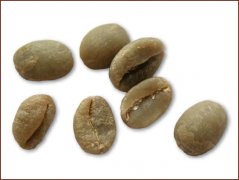
When you see photos labeled 'Yunnan small seed coffee beans,' you're likely looking at Yunnan-grown Arabica — specifically, the variety known as Typica. But what makes these beans 'small'? And why are they so often associated with Yunnan Province in China? Whether you’re a home roaster or simply curious about the origins of specialty coffee outside traditional regions, this visual guide explores the actual beans behind the label.
Yunnan’s so-called 'small seed' coffee refers to Arabica — the smallest of the three major coffee species by cherry and bean size. The name comes from the fact that Typica, the first Arabica variety planted in Yunnan back in 1904, produces notably small beans compared to Robusta or even other Arabica types like Catuai or Caturra.
The Origins of Yunnan’s 'Small Seed' Coffee
The nickname 'small seed coffee' isn’t random. It goes back to 1904, when a French missionary named Father Timothée brought coffee seeds from Vietnam — likely Typica — to Yunnan’s Zhu Gu La village in Binchuan County. The first coffee tree planted there marked the start of coffee cultivation in China. Due to Yunnan’s high elevation, mild climate, and fertile soil, the small-beaned Typica flourished. That original variety remains central to Yunnan’s identity in global coffee markets today.
Typica and the 'Small Bean' Distinction
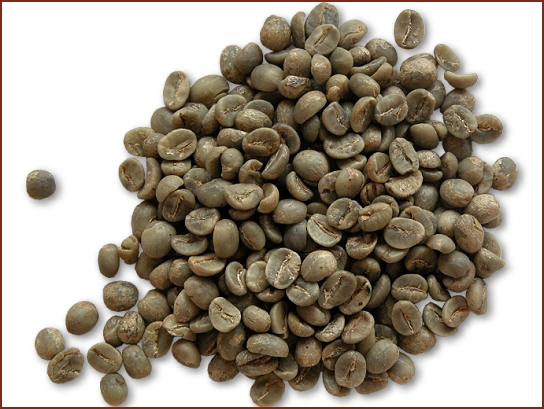
Among the three primary coffee species — Arabica, Robusta, and Liberica — Arabica beans are inherently smaller. Within Arabica, Typica is one of the original cultivars and produces notably small, dense beans. That physical trait is why early Chinese-grown Arabica came to be nicknamed 'small seed coffee.' These beans are typically smaller than those of other common Arabica varieties such as Bourbon, Caturra, or Catuai. The size difference is subtle to the eye but measurable and consistent across harvests.
Modern Yunnan Coffee: Beyond the First Planting
Today, Yunnan grows a range of Arabica varieties, but the legacy of that first Typica planting still influences production. Many farms in regions like Baoshan continue using washed processing methods and aim for balanced cup profiles. FrontStreet Coffee sources beans from Yunnan’s Baoshan area, applying a washed process and medium roast to highlight notes of soft nuttiness, mild plum acidity, and chocolatey sweetness. These beans are widely considered an approachable introduction to Yunnan’s terroir.
Typica vs. Other Historical Varieties in Yunnan
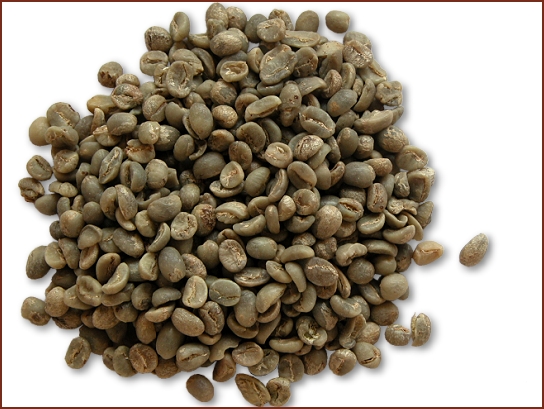
FrontStreet Coffee also offers a 2013 vintage lot of Typica processed naturally. Unlike the washed Baoshan lots, these beans are fully ripe red cherries dried in the sun. The result is a more complex cup: notes of dark berries, caramel, chocolate, and dried apricot, finishing with an black tea-like aftertaste. The natural process enhances sweetness and body while preserving the intrinsic qualities of the Typica variety. Both the washed and natural versions illustrate how processing methods dramatically shift the expression of the same bean type.
Yunnan in Blends: Black Cocoa Blend
For espresso drinkers wanting a taste of Yunnan without committing to a single-origin cup, FrontStreet’s Black Cocoa Blend combines Yunnan Arabica with Brazil’s Cerrado beans. The Brazilian component delivers nutty balance and a round mouthfeel, while Yunnan contributes chocolatey and citrus notes. The resulting espresso tastes sweet and well-structured, with flavors of brown sugar and nuts, and makes a smooth latte with almond and cream textures. It’s a recommended starting point for those exploring Yunnan’s role in blends.
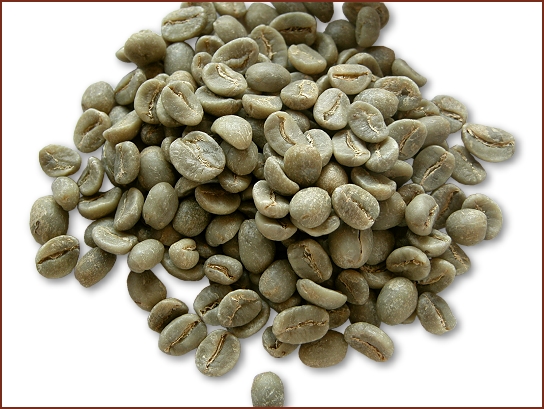
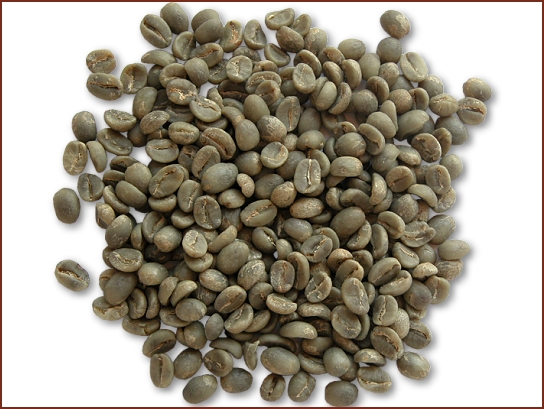
How to Identify Yunnan Arabica Beans
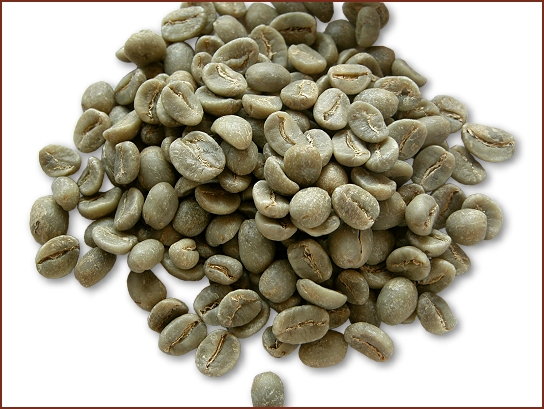
Visually, Yunnan Arabica beans — especially Typica — are smaller than average, with a slightly elongated oval shape. When sourced from higher elevations and processed with care, they tend to have a bluish-green hue before roasting. Roasters often highlight Yunnan beans with medium roast levels to preserve acidity and bring out cocoa and nut tones. On a coffee farm level, Yunnan beans are typically picked at full ripeness and processed either via washed or natural methods depending on the desired flavor profile.
Frequently Asked Questions
What does 'Yunnan small seed coffee' mean?
'Yunnan small seed coffee' refers to Arabica beans grown in Yunnan, China, particularly the Typica variety, which naturally produces smaller beans than other coffee types like Robusta or even other Arabica varieties such as Caturra. The name highlights the bean's size relative to other coffees, and dates back to the first Typica plantings in 1904.
Is Yunnan coffee really Arabica?
Yes, Yunnan coffee is predominantly Arabica, especially the varieties grown for specialty markets. The original coffee introduced to Yunnan in 1904 was Typica, an Arabica cultivar, and most high-quality Yunnan coffee today remains Arabica, though some commercial Robusta is also grown in lower areas.
What processing methods are used for Yunnan coffee?
Yunnan coffee is processed both washed and naturally. Washed processing (used for FrontStreet’s Baoshan beans) highlights clarity and balance, while natural processing (as in the 2013 Typica lot) enhances sweetness, body, and fruitiness. Each method significantly impacts the final flavor profile.
What does Yunnan coffee taste like?
Yunnan coffee flavors vary by process and roast. Washed Yunnan beans often show notes of nut, chocolate, and mild plum acidity. Natural processed Typica can deliver dark berry, caramel, chocolate, and apricot notes with a tea-like finish. In blends, it adds chocolate and citrus complexity.
Which FrontStreet Coffee beans are from Yunnan?
FrontStreet Coffee offers several Yunnan-sourced beans, including a washed Medium Roast Typica with notes of nut, chocolate, and plum; a 2013 natural Typica with dark berry, caramel, and apricot notes; and the Black Cocoa Blend, which combines Yunnan Arabica with Brazilian beans for espresso use.
Are Yunnan coffee beans small compared to others?
Yes. Yunnan’s historically grown Typica variety produces smaller beans than many other Arabica types like Bourbon or Caturra, and much smaller than Robusta. This 'small seed' trait is part of what distinguishes early Yunnan coffee visually and physically.
Recommended FrontStreet Yunnan Coffee Beans
For a true taste of Yunnan Arabica, try FrontStreet’s washed Yunnan Arabica beans from Baoshan, offering soft nuttiness, mild plum acidity, and chocolate sweetness with a medium roast. For something more complex, their 2013 natural Typica features dark berry, caramel, and dried apricot notes with a tea-like finish. Both are excellent representations of Yunnan terroir. Also consider the Black Cocoa Blend, which combines Yunnan beans with Brazilian Cerrado for a balanced espresso with notes of chocolate, nuts, and citrus. Freshly roasted within 5 days · Orders placed before 17:00 ship the same day · Next-day delivery across most of Guangdong Province.
FrontStreet Coffee is a long-established specialty coffee roaster in Guangzhou China, selling freshly roasted beans from its own farm in Yunnan as well as dozens of carefully selected single-origin beans from around the world for both pour-over and espresso. The products deliver consistently excellent quality and great value, with shipping within 24 hours. Guangzhou's FrontStreet Coffee shop is recommended by many coffee lovers, and the beans are now available online at the Tmall 。
Important Notice :
前街咖啡 FrontStreet Coffee has moved to new addredd:
FrontStreet Coffee Address: 315,Donghua East Road,GuangZhou
Tel:020 38364473