Costa Rica Coffee: What Makes Tarrazú Special
When coffee lovers seek bright acidity, a clean cup, and a smooth body without bitterness, they often turn to Costa Rica. But what makes certain regions in this small Central American country stand out globally? The answer lies beneath volcanic soil, high above sea level — especially in places like Tarrazú.
Costa Rica produces around 1,700 kilograms of coffee per hectare, with over 400 million coffee trees for just 3.5 million people. Over 25% of the country’s exports come from coffee, and much of its best comes from high-altitude regions such as Tarrazú, where volcanic soils and optimal growing conditions define the cup profile.
The Role of Elevation in Costa Rican Coffee Quality
Coffee grown at elevations above 1,500 meters in Costa Rica is classified as “hard bean” or SHB (Strictly Hard Bean). The higher you go, the slower the beans mature due to cooler nights, which increases sugar development and enhances acidity and complexity. Tarrazú’s altitude—typically around 1,700 to 1,800 meters—delivers these ideal conditions. However, growing at elevation also brings logistical challenges, such as higher transport costs, which can impact profitability despite premium quality.
Tarrazú: Costa Rica’s Crown Jewel Coffee Region
Located south of the capital San José, Tarrazú is among Costa Rica’s most respected coffee-growing areas. Its reputation is built on bright, balanced cups with a crisp acidity and floral, citrusy notes. The region benefits from rich, well-drained volcanic soils and consistent rainfall, creating near-perfect conditions for high-quality Arabica production.
One standout is La Minita Tarrazú, produced on a single estate owned by the McAlpine family for three generations. Though the land could yield over 450 tons annually, La Minita coffee is limited to just 72,600 kilograms per year. It’s cultivated without synthetic fertilizers or pesticides, and all harvesting and selection is done by hand to preserve bean integrity—avoiding the potential damage caused by mechanical sorting.
How Costa Rica Processes Its Coffee
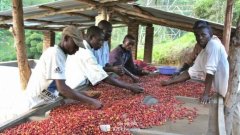
Historically, Costa Rican coffee was washed processed using traditional water-intensive methods. Due to water scarcity, the country adapted and refined the Brazilian pulped natural technique into what is now its signature honey process. In this method, coffee cherries are de-pulped but some or all of the sticky mucilage is left on the beans as they dry. This shortens drying time and adds nuanced fruitiness and sweetness to the cup.
The level of mucilage left determines the honey type: Black Honey retains nearly all mucilage and dries slowly (often over 14 days), producing complex, sweet profiles with ripe berry notes. Red, Yellow, and White Honey process levels reduce mucilage and drying time respectively, yielding brighter or lighter cups. This innovation has become a key part of Costa Rica’s flavor identity in the global specialty market.
Other Notable Coffee Growing Areas in Costa Rica
Beyond Tarrazú, other respected regions include:
- Juan Vinas (PR), H. Tournon, Windmill (SHB), Monte Bello, and Santa Rosa
- Heredia and the Central Valley, known for high-quality SHB beans
- Sarchi, one of the five towns on the “Coffee Route,” located near the Poás Volcano. Sarchi coffee is grown at around 53 kilometers from San José and benefits from volcanic slopes and a strong local artisan culture that attracts global visitors.
The Sarchi region is also home to the Sarchi Coffee Company, established in 1949, cultivating on 30,770 hectares alongside sugarcane. Though primarily known for coffee, the area’s handicrafts add to its tourism appeal.
Frequently Asked Questions
What makes Tarrazú coffee different from other Costa Rican regions?
Tarrazú coffee is celebrated for its bright acidity, clean cup, and balanced profile, largely due to its high elevation of 1,700–1,800 meters, volcanic soils, and consistent rainfall. The region’s beans often exhibit floral and citrus notes, and its most famous single-estate coffee, La Minita, is produced in limited quantities with meticulous manual processing.
What is SHB coffee and why is altitude important?
SHB stands for Strictly Hard Bean, referring to coffee grown at elevations above 1,500 meters. Higher altitudes slow bean maturation, increasing sugar accumulation and enhancing acidity and complexity. The cooler temperatures and rich volcanic soils of places like Tarrazú make SHB coffee particularly flavorful.
What is honey process coffee and how is it done in Costa Rica?
Honey process involves removing the coffee cherry skin and pulp but leaving some or all of the mucilage on the beans during drying. In Costa Rica, this method varies by mucilage levels: Black Honey (most mucilage, longest dry time), Red, Yellow, and White Honey (progressively less mucilage). It creates sweeter, fruitier cups and reduces drying time compared to traditional washed methods.
What other coffee regions in Costa Rica are worth knowing?
Besides Tarrazú, notable regions include Heredia, the Central Valley, Juan Vinas, H. Tournon, Windmill, Santa Rosa, Monte Bello, and Sarchi. Sarchi is also part of Costa Rica’s famous Coffee Route and is near the Poás Volcano, combining coffee production with rich local artisan traditions.
Why is hand-picking and sorting important in regions like La Minita?
Hand-picking and manual sorting ensure only ripe beans are selected and prevent damage that can occur with mechanical methods. Estates like La Minita avoid agrochemicals and prioritize quality over quantity, resulting in limited-production, high-quality lots that showcase the region’s full potential.
Recommended FrontStreet Coffee Beans from Tarrazú
For a taste of Costa Rica’s famed high-altitude brightness, try FrontStreet Coffee’s Blackberry Coffee, a honey process lot with intense blackberry and sweet complexity from extended drying. Also look at Mozart, a raisin honey process coffee with deep grape, rose, and fermented notes, ideal for those who love fruity, wine-like profiles. Both highlight the innovative processing techniques that define Costa Rican coffee. Freshly roasted within 5 days · Orders placed before 17:00 ship the same day · Next-day delivery across most of Guangdong Province.
FrontStreet Coffee is a long-established specialty coffee roaster in Guangzhou China, selling freshly roasted beans from its own farm in Yunnan as well as dozens of carefully selected single-origin beans from around the world for both pour-over and espresso. The products deliver consistently excellent quality and great value, with shipping within 24 hours. Guangzhou's FrontStreet Coffee shop is recommended by many coffee lovers, and the beans are now available online at the Tmall 。
Important Notice :
前街咖啡 FrontStreet Coffee has moved to new addredd:
FrontStreet Coffee Address: 315,Donghua East Road,GuangZhou
Tel:020 38364473