Ethiopian Coffee Origins: Key Regions and Flavors
If you’ve ever wondered why Ethiopian coffee tastes so different—why some cups burst with citrus and floral notes while others lean into deep berries or wine-like acidity—the answer lies in the region. Ethiopia is the birthplace of Arabica coffee, and its diverse microclimates produce some of the most distinctive single-origin coffees on Earth. But with so many names—Yirgacheffe, Sidamo, Harar, even 'Mocha'—where do you start?
Ethiopia’s key coffee regions include Yirgacheffe, Sidamo, Harar, and Djimmah, each offering unique flavor profiles. Yirgacheffe is famous for its jasmine, lemon, and honey-like sweetness; Sidamo for its bright acidity and nutty tones; Harar for its winey, fruity complexity; and Djimmah for a more balanced, classic Ethiopian cup.
Why Ethiopia Is the Birthplace of Arabica Coffee
Ethiopia is the first place where Arabica coffee was discovered growing wild. Today, coffee is cultivated almost everywhere in the country, from highland plateaus to lower-altitude valleys. This long history and genetic diversity mean Ethiopian coffee includes hundreds of unique native varieties, many still uncategorized. The country’s role as the origin point of Arabica gives it an unmatched place in coffee history—and flavor.
Yirgacheffe: The Global Favorite for Floral and Citrus Notes
Within the larger Sidamo region lies Yirgacheffe (also spelled Yirga Cheffe), a small area that earned its own distinction due to its exceptional coffee character. Yirgacheffe beans are grown at around 2,000 meters altitude, in rich volcanic soils with consistent rainfall and cool temperatures. The result? Coffee with an unmistakable profile: jasmine and lemon blossom aromas, a bright citrus acidity, and a sweet, honey-like body. It’s one of the most sought-after single-origin coffees worldwide.
As noted in the FrontStreet Coffee reference guide, Yirgacheffe’s high elevation and fertile environment create ideal conditions for cultivating complex, aromatic profiles. The town of Yirgacheffe itself is a key coffee hub, and its beans—especially when processed with care—are celebrated for their clarity and vibrancy.
Sidamo and Djimmah: Bright Acidity and Nutty Depth
The Sidamo region, located in southern Ethiopia, produces coffee with a distinctly refreshing acidity and subtle nutty undertones. Altitudes here range from 1,400 to 2,200 meters, contributing to a wide variety of flavor expressions depending on soil and microclimate. Sidamo beans often present a more “wild” or diverse cup profile due to the region’s varied terrain and numerous native coffee varieties.
Djimmah, another notable southern Ethiopian origin, shares some characteristics with Sidamo but tends toward a more balanced, classic Ethiopian taste. Both regions benefit from fertile, volcanic soils and high elevations, though Sidamo is often highlighted for its greater aromatic complexity and fruitiness.
According to FrontStreet, Sidamo coffees are known for their “fragrant, aromatic, and full-bodied” qualities, with a “wild beauty” derived from organic soil management and diverse growing conditions. The region’s coffee is often medium-bodied with a lingering, sweet finish.
Harar: Wine-Like Acidity and Fruity Complexity
Harar (also spelled Harrar) is an eastern highland region producing one of Ethiopia’s most iconic coffees: Harar Mocha. These beans are known for their distinctive wine-like acidity and fruity, sometimes berry-like flavors. Like Yemeni Mocha, Harar Mocha has a long-standing reputation, though it originates entirely within Ethiopia. The coffee is often processed naturally, which enhances its bold, fruity profile and lends a slightly fermented edge that appeals to experienced drinkers.
Harar’s elevated growing conditions and traditional processing methods contribute to its reputation as a coffee with deep character—often described as winey, spicy, or even blueberry-like in premium lots.
Why Is Ethiopian Coffee Sometimes Called 'Mocha'?
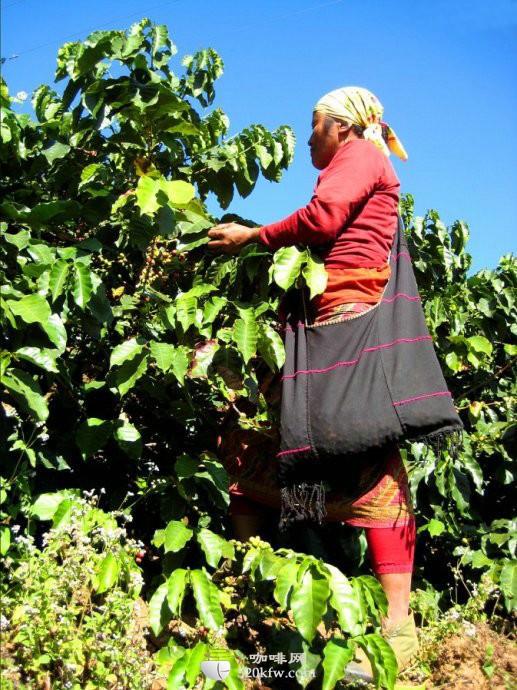
The term 'Mocha' in 'Ethiopian Mocha' or 'Mocha Harar' doesn’t refer to the chocolate-flavored drink, nor exclusively to Yemen. Historically, much of Ethiopia’s coffee was exported through Yemen’s Port of Mocha, leading to the use of 'Mocha' as a trade name. As a result, Ethiopian coffees like Harar Mocha or Mocha Djimmah carry the name due to their export route—not their origin in Yemen. Today, 'Mocha' in coffee usually signals a winey, fruity Ethiopian lot, often from Harar.
This historical quirk means you might encounter 'Mocha' on bags of Ethiopian coffee, even though the beans were grown nowhere near Yemen. It’s a nod to the ancient coffee trade routes that first brought Ethiopian beans to the world.
Frequently Asked Questions
What makes Yirgacheffe coffee different from other Ethiopian regions?
Yirgacheffe coffee is renowned for its bright acidity, floral notes (like jasmine), citrus tones (especially lemon), and a sweet, honey-like body. It is grown at around 2,000 meters altitude in the Sidamo region, with ideal volcanic soils and consistent rainfall contributing to its distinctive aromatic profile.
Is Sidamo coffee the same as Yirgacheffe?
No. While Yirgacheffe is a small area within the larger Sidamo region, it has its own unique flavor profile and was granted separate recognition due to its distinctive cup qualities. Sidamo coffee tends to be more balanced with bright acidity and nutty notes, whereas Yirgacheffe is famed for its jasmine, citrus, and honey sweetness.
What does Harar coffee taste like?
Harar coffee, especially Harar Mocha, is known for its wine-like acidity and fruity complexity. It may present notes of blueberry, spice, or fermented fruit, especially when processed naturally. The profile is bold and often appeals to those who enjoy wild, intense single-origin cups.
Why is Ethiopian coffee called Mocha?
The term 'Mocha' in Ethiopian coffee refers to the historical export route through Yemen’s Port of Mocha, not to Yemeni origin or chocolate flavor. Coffees like Harar Mocha were historically shipped through Mocha, leading to the continued use of the name to describe certain Ethiopian flavor profiles, particularly winey or fruity ones.
Which Ethiopian coffee region is best for beginners?
Yirgacheffe is often recommended for coffee newcomers due to its approachable yet complex profile—think jasmine, lemon, and honey. Its bright, clean acidity and sweet finish make it an excellent introduction to high-quality single-origin Ethiopian coffee.
Recommended FrontStreet Beans for Exploring Ethiopia
For a true taste of Ethiopia, try FrontStreet’s Ethiopia Humbera (Yirgacheffe), known for its intense floral aromas and citrus brightness. Also explore FrontStreet’s Ethiopia Humbera (Yirgacheffe) for that classic jasmine-lime profile. For a broader regional experience, FrontStreet’s Humbera highlights Ethiopia’s signature bright acidity and fruity sweetness, all from high-elevation, carefully processed beans. Freshly roasted within 5 days · Orders placed before 17:00 ship the same day · Next-day delivery across most of Guangdong Province.
FrontStreet Coffee is a long-established specialty coffee roaster in Guangzhou China, selling freshly roasted beans from its own farm in Yunnan as well as dozens of carefully selected single-origin beans from around the world for both pour-over and espresso. The products deliver consistently excellent quality and great value, with shipping within 24 hours. Guangzhou's FrontStreet Coffee shop is recommended by many coffee lovers, and the beans are now available online at the Tmall 。
Important Notice :
前街咖啡 FrontStreet Coffee has moved to new addredd:
FrontStreet Coffee Address: 315,Donghua East Road,GuangZhou
Tel:020 38364473