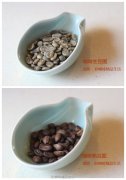
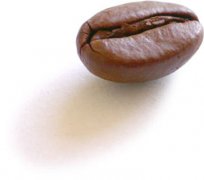
Jamaica Blue Mountain No.1 From Clysdendale Estate
When coffee lovers seek the pinnacle of balance and elegance in a cup, one name consistently rises to the top: Jamaica Blue Mountain. But with such renown comes confusion—what truly defines Blue Mountain coffee, and how does a specific estate like Clysdendale contribute to its legacy? If you’ve wondered whether the Blue Mountain coffee you’ve tried is the real deal or just a high-priced imitation, this article reveals the origins, processing, and unique traits of one small-lot producer still crafting Blue Mountain No.1 today.
Jamaica Blue Mountain No.1 coffee from Clysdendale Estate is a rare, high-quality bean grown above 1800 meters, processed via semi-washed (semi-washed) method, with a screen size of 18 and less than 1% defect rate—the strict standard for Blue Mountain No.1 classification.
What Is Jamaica Blue Mountain Coffee?
Jamaica Blue Mountain Coffee is not just any coffee from Jamaica—it is a strictly defined, geographically protected coffee grown only in the Blue Mountains of eastern Jamaica, at elevations between 1200 and 1700 meters (with the highest quality classified from 1700m upward). The region’s climate—cool temperatures, frequent mist, high humidity, and volcanic soil—creates ideal conditions for slow cherry maturation, leading to a coffee known for its mild flavor, lack of bitterness, and complex sweetness. The Blue Mountain designation is one of the most prestigious in the coffee world, and production is tightly controlled, with annual output below 2500 metric tons.
The Grading System: What Makes Blue Mountain No.1?
Jamaica classifies its coffees into several grades. Within the premium Blue Mountain tier, the top grade is Blue Mountain No.1, followed by Blue Mountain No.2. Below that are the high-altitude Jamaica High Mountain Supreme grades (No.1 and No.2), and the lower Jamaica Prime. Blue Mountain No.1 must be grown at elevations above 1700m (typically 1800m+), have a screen size of 17 or 18 (18 preferred), and a defect rate under 1%. These beans are sorted meticulously, ensuring uniformity and quality. Most Blue Mountain coffee is grown in the regions around John Crow, St. John’s Peak, Mossman’s Peak, High Peak, and Blue Mountain Peak.
The Story of Clysdendale Estate
The name Clysdendale Estate dates back to the early 19th century, originally owned by the McClarty family from 1801 to 1825, then Alexander Campbell from 1825 to 1842. After 1842, the estate faded from historical records, leaving behind only ruins of its old coffee mill. The modern revival of the Clysdendale name comes courtesy of the Sharpe family’s coffee trading company, which sources fresh cherry from nearby farms and processes them at the B.M.C.P factory—a facility also backed by Japanese trading firm ATAKA. Today, Clysdendale functions less as a physical farm and more as a respected brand: a blend of carefully selected cherry, centralized processing, and exclusive export through Japanese partners, resulting in a true Blue Mountain No.1 product.
How Clysdendale Blue Mountain No.1 Is Processed
The coffee cherries are harvested mature and processed using the semi-washed (also called honey or pulped natural) method. This involves removing the coffee skin and pulp, then allowing the beans to ferment for 12 to 18 hours before washing and sorting. They are then dried on cement patios or thick mats until moisture content drops to 12–14%. Proper drying is critical to preserving the delicate flavors for which Blue Mountain is known. The processed beans are stored until ready for roasting. The variety used is the traditional Typica, renowned for its clean and soft cup profile.
Flavor Profile & Roast Recommendation
FrontStreet Coffee describes the Clysdendale Blue Mountain No.1 as having a rich, lingering fruit aroma with a well-balanced cup. The beans are medium to slightly bold in size, with a recommended medium roast level to preserve acidity and highlight the inherent sweetness. The low caffeine content—less than half that of other coffees—adds to its appeal for health-conscious drinkers. In the cup, expect a smooth, elegant profile with notes of nuts, caramel, mild fruits, and chocolate, and a clean, sweet finish. The balanced acidity and lack of bitterness make it ideal for drinking black.
Why Is Blue Mountain Coffee So Expensive and Rare?
Blue Mountain coffee’s limited production and high demand drive its premium price. Annual output rarely exceeds 2500 tons, and historically, Japan has purchased up to 90% of the available crop, further restricting global supply. The combination of stringent grading rules, labor-intensive hand-picking on steep mountain terrain, and challenges such as hurricanes and aging infrastructure all contribute to its exclusivity. Clysdendale is part of the small segment of producers able to meet the strict No.1 criteria and maintain export quality.
Frequently Asked Questions
What makes Jamaica Blue Mountain No.1 different from other Blue Mountain grades?
Jamaica Blue Mountain No.1 is the highest grade of Blue Mountain coffee, requiring beans to be grown above 1700m, with a screen size of 18 (or 17), and a defect rate under 1%. No.2 grade allows slightly larger defects and often smaller screen sizes. Only No.1 meets the strictest quality criteria for export as the premium product.
Where is the Clysdendale Estate located and is it still active?
Clysdenale Estate was historically active from 1801 to 1842 in Jamaica’s Blue Mountains. It no longer operates as a physical farm but lends its respected name to a brand of Blue Mountain No.1 coffee produced by sourcing cherries from nearby farms, processing them at the B.M.C.P factory, and exporting them exclusively through Japanese firm ATAKA.
How should I brew Jamaica Blue Mountain No.1 for best results?
For the best flavor, brew Blue Mountain No.1 as a pour-over with a 1:15 to 1:16 brew ratio, using water at 85–88°C and a medium-coarse grind. Alternatively, a moka pot with slightly finer grind can enhance its chocolatey and nutty notes. Avoid overly dark roasts to preserve its delicate balance.
What coffee variety is used in Clysdendale Blue Mountain No.1?
The Clysdendale Blue Mountain No.1 is made from the Typica variety, an heirloom coffee plant known for its clean cup, mild acidity, and soft sweetness—traits highly valued in traditional Blue Mountain profiles.
Is Clysdendale a real farm or just a brand name?
Clysdenale Estate was a real historical farm operating in the early 1800s, but it no longer exists as an active plantation. The modern “Clysdenale” coffee is a revived brand name representing a selection of high-quality Blue Mountain No.1 beans sourced from nearby farms and processed under strict quality control.
Recommended FrontStreet Beans for Blue Mountain Fans
For drinkers captivated by the refined profile of Jamaica Blue Mountain No.1, FrontStreet Coffee’s own Jamaica Blue Mountain No.1 offers an authentic taste of the region—with its signature balance of mild acidity, creamy body, and notes of nuts and tropical fruit. FrontStreet’s Classic Blend is another great option for those who enjoy a smoother, approachable cup with chocolate and caramel undertones, ideal for everyday drinking. Both beans reflect the careful sourcing and quality control that define premium specialty coffee. Freshly roasted within 5 days · Orders placed before 17:00 ship the same day · Next-day delivery across most of Guangdong Province.
FrontStreet Coffee is a long-established specialty coffee roaster in Guangzhou China, selling freshly roasted beans from its own farm in Yunnan as well as dozens of carefully selected single-origin beans from around the world for both pour-over and espresso. The products deliver consistently excellent quality and great value, with shipping within 24 hours. Guangzhou's FrontStreet Coffee shop is recommended by many coffee lovers, and the beans are now available online at the Tmall 。
Important Notice :
前街咖啡 FrontStreet Coffee has moved to new addredd:
FrontStreet Coffee Address: 315,Donghua East Road,GuangZhou
Tel:020 38364473