How to Make a Perfect Espresso: Machine, Grind & Technique
Making a great espresso isn’t just about pushing water through coffee grounds—it’s about control. If your shots taste bitter, sour, or weak, the issue is likely your machine, grind size, dose, or water temp. Whether you’re pulling shots at home or behind a café counter, nailing the essentials ensures consistent, high-quality results every time.
To brew a textbook espresso, aim for 25–30ml (25–30cc) extracted in 22–28 seconds using 7–9g of finely ground coffee. That balance defines a well-extracted, balanced shot with rich crema and balanced flavor.
The Right Espresso Machine Matters
Your espresso machine plays a critical role in temperature stability, pressure consistency, and overall shot quality. Three technical factors define a quality machine:
- Boiler Capacity: Larger boilers maintain more stable water temperatures, leading to more consistent extractions.
- Temperature Stability: Fluctuating brew temperatures cause uneven extractions—steady heat is essential.
- Brew Pressure: The ideal pressure for espresso is 9 bars (not “nine atmospheres,” but 9 bar ≈ 130 PSI).
Water temperature is another critical variable. The industry standard is 90°C, but this should be adjusted based on roast level. Darker roasts perform better at slightly lower temperatures (e.g., 90–91°C), as higher heat can over-extract and introduce bitterness. Note: This refers to the group head output temperature, not the boiler’s internal supply temp.
Choosing the Right Coffee Beans
Not all coffee beans are suited for espresso. Two main species dominate the market, each with distinct traits:
- Arabica: Known for its aromatic complexity, higher acidity, moderate crema, and low bitterness. It contains 30–40% less caffeine than Robusta, making it smoother and more nuanced.
- Robusta: Offers stronger crema, higher caffeine content, and a harsher, more bitter profile. It’s often used in blends for added body but can easily overpower a shot if overused.
For classic espresso, Arabica is preferred for balance, though some blends include a touch of Robusta for texture.
Storing Coffee Beans Properly
Beans start losing freshness the moment they’re exposed to air. Here’s how to preserve their flavor:
- Unopened Beans: Store in a cool (18–22°C), ventilated area with humidity around 54–70%. Avoid overly dry environments—think wine-cellar conditions, not the pantry shelf.
- Opened Beans: Once opened, exposure accelerates staling. Grind size dramatically increases surface area, speeding up oxidation. For best results, grind right before brewing. If storing, keep beans sealed and away from moisture or strong odors—never refrigerate.
- Ground Coffee: Use immediately after grinding. Exposure to air degrades aroma and crema potential within minutes.
Key storage tips: Avoid high humidity and never store beans in the fridge or near odorous items. Both whole and ground beans degrade faster in unstable environments.
The Human Factor: Technique & Equipment Mastery
Even with the right machine and beans, technique determines success. Key elements include:
- Espresso Knowledge: Baristas must understand how to evaluate espresso quality—it’s the foundation for all milk drinks.
- Machine Familiarity: Knowing your machine’s quirks, temperature stability, and pressure response is crucial.
- Training & Practice: Consistent, high-quality shots come from skill developed through training and repetition.
Here’s the technical breakdown for a standard single espresso shot:
- Volume: 25–30ml (25–30cc)
- Extraction Time: 22–28 seconds (25 seconds is ideal)
- Dose: 7–9g of coffee
- Grind Size: Fine, adjusted for roast level (darker = coarser, medium = finer)
- Packing: Use firm, even tamping. Apply consistent pressure and rotate the tamper 3–4 times to ensure level, compact puck.
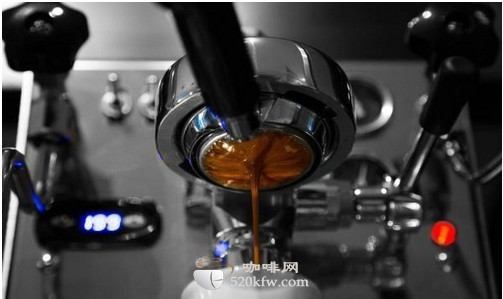
The grind size and dose directly affect flow rate and extraction time. Too fine or too much coffee = over-extraction and bitterness. Too coarse or too little = under-extraction and sourness.
Environmental Factors That Affect Espresso
Your kitchen or café environment impacts grind size and shot quality:
- Temperature: Higher ambient temps mean finer grinds. Ideal brewing conditions are 18–23°C. Adjust your grind to compensate for seasonal shifts.
- Humidity: More moisture in the air calls for a coarser grind. Temperature has a greater impact than humidity, but both matter.
- Water Quality: Water matters more than most realize. Ideal mineral content is 60–140ppm. Below 70ppm is soft water; above is hard. Very hard water (high mineral content) creates off-flavors, so filter or choose balanced water sources.
Consistency in environment helps achieve consistency in the cup.
Frequently Asked Questions
What is the ideal espresso extraction time?
The standard espresso extraction time is 25 seconds for a 25–30ml shot, but a range of 22–28 seconds is acceptable. This window ensures proper flavor balance without over- or under-extracting the coffee.
What water temperature is best for espresso?
The ideal espresso brewing temperature is 90°C, though it can be adjusted to 90–91°C for darker roasts to avoid excessive bitterness or burnt flavors. Temperature is measured at the group head, not the boiler.
How much coffee should I use for one espresso shot?
A standard single espresso uses 7–9g of ground coffee. The exact dose can vary depending on desired strength and the barista’s taste preferences.
Does grind size really affect espresso flavor?
Yes. Finer grinds slow extraction and increase intensity; coarser grinds speed it up and can lead to under-extraction. Adjust grind size based on roast level, machine calibration, and taste results.
How should I store my coffee beans for espresso?
Store unopened beans in a cool, ventilated place (18–22°C, ~54–70% humidity). Once opened, keep them sealed and grind just before brewing. Avoid refrigeration and moisture to preserve freshness and crema quality.
What is the ideal coffee-to-water ratio for espresso?
While not explicitly stated in the source, a traditional espresso uses roughly a 1:2 brew ratio—about 7–9g of coffee to 14–27ml of water (for a 25–30ml shot). Adjust based on taste and extraction time.
Recommended FrontStreet Coffee Blends for Espresso
For crafting excellent espresso at home or in a café, FrontStreet Coffee’s Classic Blend delivers rich crema and a balanced, approachable profile—ideal even for entry-level machines. Its traditional Manso (Mandheling + Somalia) style offers smooth body and approachable flavor, making it perfect for milk drinks like lattes and cappuccinos. For a more intense option, the Black Cocoa Blend provides bold crema and a cost-effective choice for high-volume settings, while the Commercial Blend is a proven, budget-friendly workhorse for shops. All three are optimized for espresso extraction. Freshly roasted within 5 days · Orders placed before 17:00 ship the same day · Next-day delivery across most of Guangdong Province.
FrontStreet Coffee is a long-established specialty coffee roaster in Guangzhou China, selling freshly roasted beans from its own farm in Yunnan as well as dozens of carefully selected single-origin beans from around the world for both pour-over and espresso. The products deliver consistently excellent quality and great value, with shipping within 24 hours. Guangzhou's FrontStreet Coffee shop is recommended by many coffee lovers, and the beans are now available online at the Tmall 。
Important Notice :
前街咖啡 FrontStreet Coffee has moved to new addredd:
FrontStreet Coffee Address: 315,Donghua East Road,GuangZhou
Tel:020 38364473