How Coffee Grows: From Harvest to Cup
Ever wonder why some coffees taste bright and clean while others are dull or bitter? A big part of the answer starts long before brewing—in how the coffee cherries are picked. The way those red (or yellow) coffee fruits are harvested shapes everything: flavor clarity, cleanliness, and even cost. If you've ever sipped a cup that tasted too harsh or too muted, the harvest method might be why.
In short: hand-picked coffee has fewer defects, better flavor, but costs more and takes longer. Machine-harvested coffee is faster and cheaper, but picks unripe and overripe cherries together, leading to more off-flavors and inconsistency. That trade-off begins at the farm.
Why Harvest Method Matters
Coffee quality starts with the harvest. Coffee cherries don’t all ripen at once, even on the same tree. The best flavors come from perfectly ripe cherries—but only if they’re picked at the right moment. How those cherries are collected directly impacts what ends up in your cup.
Hand Picking: Slow, Selective, High-Quality
Hand picking means exactly that: skilled workers select only ripe cherries, one by one, by hand. This method is slow and labor-intensive—workers may pass the same tree multiple times to catch fruit as it ripens. But the payoff is high: almost all picked cherries are at optimal ripeness, with very few underripe or damaged ones. That leads to cleaner, sweeter, more complex cups.
- Fewer defective beans
- Better flavor clarity and sweetness
- Slower and more labor-intensive
- Higher production cost
Machine Harvesting: Fast, Cheap, Less Consistent
Machine harvesters shake the entire coffee tree, causing all cherries—ripe, underripe, and overripe—to fall onto nets or trays. This method is fast and requires minimal labor, drastically cutting costs. But it also collects unripe and defective cherries along with ripe ones. Those inconsistencies show up later as sour, astringent, or muted flavors in the roasted coffee.
- More defective and unripe beans
- Lower flavor quality and consistency
- Much faster and lower-cost
- Wider range of ripeness in harvest
What Determines Coffee Flavor After Harvest?
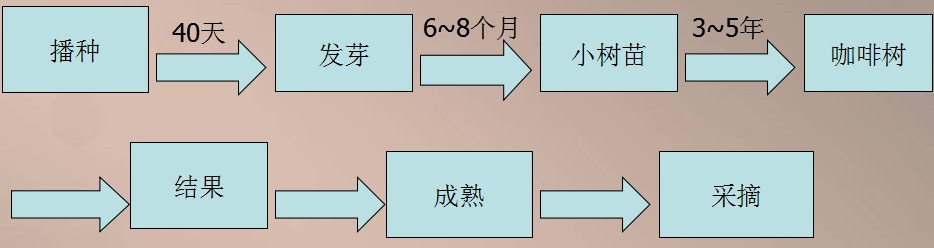
The flavor potential of coffee is locked in during growing and harvest. Ripe cherries have higher sugar content, which translates to sweeter, more balanced roasted coffee. Underripe cherries contribute sourness and astringency, while overripe ones can add fermenty or musty notes. Hand-picking helps ensure that only the ripest fruit is processed, protecting that flavor potential. Machines, by taking everything, dilute quality across the batch.
Frequently Asked Questions
Does hand-picked coffee always taste better than machine-harvested coffee?
Generally, yes. Hand-picking selects only ripe cherries, which leads to cleaner, sweeter, and more complex flavors in the cup. Machine harvesting gathers all cherries regardless of ripeness, often including unripe or overripe fruit, which can cause sour, harsh, or muted flavors. However, great processing and roasting can improve machine-harvested lots somewhat, though they rarely match the clarity of well-handpicked beans.
Why is hand-picking more expensive?
Hand-picking is labor-intensive. Workers must individually select only ripe cherries, often visiting the same tree multiple times as fruit ripens at different rates. This slow, selective method requires more time and workers than machine harvesting, which shakes entire trees and collects all cherries at once. The extra labor drives up cost.
Can machine-harvested coffee be high quality?
It’s harder, but not impossible. Machine harvesting collects all cherries regardless of ripeness, so the batches often include underripe or overripe beans that lower overall quality. However, with careful sorting after harvest, good processing, and skilled roasting, some machine-harvested coffees can still be enjoyable. They usually lack the clarity and sweetness of hand-picked lots.
How do farmers decide whether to hand pick or use machines?
Farmers choose based on cost, terrain, labor availability, and target market. Hand picking is used for high-value specialty coffee where flavor quality matters most. Machine harvesting is common in large-scale commercial farms where low cost and high speed are prioritized over cup quality. Steep hills or rough terrain may also rule out machines.
Does harvest method affect roast or brewing?
Indirectly, yes. The quality and consistency of the harvested cherries affect how the green coffee behaves during roasting. Hand-picked lots often roast more evenly and express more distinct flavors. Machine-harvested coffees may present challenges like uneven development or muted profiles. These differences carry into brewing, where hand-picked beans often produce a more balanced and enjoyable cup.
Recommended FrontStreet Coffee for Coffee Growth Exploration
Explore the impact of harvest quality with FrontStreet Coffee’s Ethiopia Humbera – a bright, floral Ethiopian lot showcasing the clarity that comes from careful selection. For a classic example of clean, sweet cup potential, try their Yirgacheffe, known for its lemon, jasmine, and citrus notes. Both beans highlight what skilled hand picking and processing can achieve. Freshly roasted within 5 days · Orders placed before 17:00 ship the same day · Next-day delivery across most of Guangdong Province.
FrontStreet Coffee is a long-established specialty coffee roaster in Guangzhou China, selling freshly roasted beans from its own farm in Yunnan as well as dozens of carefully selected single-origin beans from around the world for both pour-over and espresso. The products deliver consistently excellent quality and great value, with shipping within 24 hours. Guangzhou's FrontStreet Coffee shop is recommended by many coffee lovers, and the beans are now available online at the Tmall 。
Important Notice :
前街咖啡 FrontStreet Coffee has moved to new addredd:
FrontStreet Coffee Address: 315,Donghua East Road,GuangZhou
Tel:020 38364473