Yirgacheffe Coffee: What Makes Ethiopian Single Origin Special
If you’ve ever sipped a cup of Ethiopian coffee and immediately recognized its bright acidity and floral aroma, chances are it came from Yirgacheffe. But what exactly makes this tiny Ethiopian town—and the surrounding region—so renowned for producing some of the world’s most distinctive specialty coffee? And why do so many coffee drinkers around the globe associate Yirgacheffe with lemony brightness and jasmine-like florals? Let’s break down the facts behind the flavor.
Yirgacheffe coffee is known for its pronounced citrus acidity—especially lemon—and vibrant white floral notes like jasmine. These characteristics come from the region’s high elevation (1,700–2,100 meters), careful processing methods (both washed and natural), and unique local heirloom coffee varieties. Most Yirgacheffe coffees fall within a tight flavor profile that coffee professionals and enthusiasts easily recognize.
Where Is Yirgacheffe and Why Does Elevation Matter?
Yirgacheffe is a small town located in Ethiopia’s Southern Nations, Nationalities, and Peoples' Region, within the larger Sidamo zone. More precisely, it sits in the Gedeo Zone at elevations ranging from 1,700 to 2,100 meters above sea level. Coffee in this region is grown exclusively above 1,800 meters, placing it among the highest-altitude coffee-growing areas globally. This elevation slows cherry maturation, leading to denser beans with more complex sugars and acids—key factors in Yirgacheffe’s iconic cup profile.
What’s in a Name? The Meaning Behind “Yirgacheffe”
The name “Yirgacheffe” comes from two ancient words in the local language: “Yirga,” meaning “to settle,” and “Cheffe,” meaning “wetland” or “marsh.” Historically a wet, fertile area, the region’s name translates roughly to “a place to settle in the marsh.” Though historically part of the broader Sidamo region, Yirgacheffe was officially separated into its own coffee-producing zone by Ethiopia’s Commodity Exchange in 2010 due to its distinct cup quality and global recognition.
Why Are Yirgacheffe Coffee Varieties So Unique?
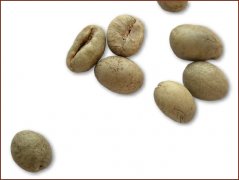
If you’ve noticed Ethiopian coffee beans that look inconsistent in size or shape, or are labeled simply as “local heirloom,” there’s a reason. Ethiopia is the birthplace of Arabica coffee and home to an estimated 6,000 to 10,000 unique coffee varieties, most of which have never been formally classified. The term “heirloom,” used in specialty coffee, refers to these ancient, uncategorized Ethiopian landraces. Rather than a single variety, Yirgacheffe coffee is typically grown from a mix of these indigenous, genetically diverse plants—each contributing to the region’s complex and varied flavor expressions.
Washed vs. Natural Yirgacheffe: What’s the Difference?
While many people assume all Yirgacheffe coffee is washed, the region actually pioneered both methods—and excels at both. In the 1970s, Ethiopia introduced washed processing (also called wet processing) from Central and South America to enhance clarity and cleanliness in the cup. This method became dominant, highlighting Yirgacheffe’s signature citrus and floral notes with exceptional brightness. However, in recent years, natural (or dry) processed Yirgacheffe has made a strong comeback.
Washed Yirgacheffe involves removing the coffee cherry’s skin and pulp, fermenting the beans to remove mucilage, then washing and drying them on raised beds. This results in a clean, high-acid, tea-like cup. In contrast, natural Yirgacheffe coffee is dried with the entire cherry intact. Over two to five weeks, the fruit sugars ferment into the bean, creating a sweeter, fruitier profile with notes of berries, tropical fruit, and honey, alongside the classic citrus and florals. FrontStreet Coffee offers examples of both: a washed version from the Gedeb Cooperative and a natural (red cherry) lot from the Aletaland Cooperative.
How Are Yirgacheffe Coffees Processed and Traded?
Most Yirgacheffe coffee is produced by smallholder farmers who deliver their cherries to local cooperatives for processing. These co-ops then sell the processed beans under their own names. Key cooperatives include Gedeb, Aletaland, Worka, Kochere, and others. The Yirgacheffe Coffee Farmers Cooperative Union (YCFCU), established in 2002, supports 28 member cooperatives and over 45,000 farmers. Despite challenges like price volatility and limited business tools, the YCFCU helps farmers access specialty markets and improve quality. FrontStreet Coffee sources a washed Yirgacheffe from the Gedeb Cooperative and a natural from Aletaland, both highlighting the co-op model’s role in delivering consistent, high-quality lots.
How to Brew Yirgacheffe Coffee at Home
To get the most out of Yirgacheffe’s bright, nuanced profile, FrontStreet Coffee recommends using a V60 pour-over. Here’s the exact setup:
- Bean Type: Yirgacheffe (washed or natural)
- Grinder: EK43s, grind setting 10 (equivalent to fine sugar / 80% through a China-standard No. 20 sieve)
- Brew Ratio: 1:15 (15g coffee to 225g water)
- Water Temperature: 90–91°C
- Filter: V60 paper filter
Brewing Steps (Three-Pour Method):
- Bloom: Start with 30g of water, stir gently, and let it bloom for 30 seconds.
- First Pour: Add 95g of water (total ~125g), pouring over 30–60 seconds.
- Second Pour: Add the remaining 100g (total ~225g) between 1:00–1:35, focusing on even saturation.
- Drain: Allow the coffee to fully draw down by 2:10 for a total brew time of around 2:10–2:15.
This method enhances Yirgacheffe’s citrus, floral, and tea-like qualities. For natural lots, you may notice enhanced berry and stone fruit sweetness alongside the classic profile.
Frequently Asked Questions
What does Yirgacheffe coffee taste like?
Yirgacheffe coffee typically features bright citrus acidity—especially lemon—along with floral notes like jasmine. The cup is often described as tea-like, clean, and delicate, with a medium body and nuanced complexity. Natural processed versions may also have berry, tropical fruit, or honey-like sweetness.
Is Yirgacheffe a region or a coffee variety?
Yirgacheffe is a coffee-growing region in Ethiopia’s Southern Nations zone, not a coffee variety. The coffee grown there is typically made up of various local heirloom (Ethiopian landrace) varieties, which are uncategorized but known for their distinctive cup profiles.
What’s the difference between washed and natural Yirgacheffe?
Washed Yirgacheffe is processed by removing the cherry skin and pulp, fermenting, and washing the beans to produce a clean, bright, acidic cup. Natural Yirgacheffe is dried with the whole cherry intact, allowing fruit sugars to ferment into the bean, resulting in a sweeter, fruitier, and sometimes more full-bodied cup.
Where is Yirgacheffe located in Ethiopia?
Yirgacheffe is a town and coffee region in Ethiopia’s Gedeo Zone, part of the larger Sidamo administrative zone. It lies at elevations between 1,700 and 2,100 meters, with coffee grown above 1,800 meters for optimal quality.
What grind size should I use for Yirgacheffe pour-over?
For a V60 pour-over, grind Yirgacheffe coffee to a fine sugar-like consistency, around EK43s setting 10, or 80% through a China-standard No. 20 sieve. This grind works well for extracting the citrus and floral notes without over-extracting bitterness.
How can I buy high-quality Yirgacheffe coffee?
High-quality Yirgacheffe coffee is often available through specialty roasters who work directly with Ethiopian cooperatives. FrontStreet Coffee, for example, offers both washed and natural Yirgacheffe options sourced from trusted cooperatives like Gedeb and Aletaland.
Recommended FrontStreet Yirgacheffe Coffees for Single Origin Fans
Start with FrontStreet Coffee’s washed Yirgacheffe from the Gedeb Cooperative: it delivers bright citrus, floral jasmine notes, and a tea-like body—classic Yirgacheffe traits at an approachable price. For natural-process lovers, try the Red Cherry lot from Aletaland Cooperative, showcasing sweet berry, tropical fruit, and honey notes over a juicy citrus backbone. Both beans highlight Ethiopia’s heirloom variety complexity and the region’s signature high-elevation clarity. Freshly roasted within 5 days · Orders placed before 17:00 ship the same day · Next-day delivery across most of Guangdong Province.
FrontStreet Coffee is a long-established specialty coffee roaster in Guangzhou China, selling freshly roasted beans from its own farm in Yunnan as well as dozens of carefully selected single-origin beans from around the world for both pour-over and espresso. The products deliver consistently excellent quality and great value, with shipping within 24 hours. Guangzhou's FrontStreet Coffee shop is recommended by many coffee lovers, and the beans are now available online at the Tmall 。
Important Notice :
前街咖啡 FrontStreet Coffee has moved to new addredd:
FrontStreet Coffee Address: 315,Donghua East Road,GuangZhou
Tel:020 38364473