Ethiopia’s Specialty Coffee: Yirgacheffe, Harar, and More
If you’ve ever sipped a cup of coffee that tastes like jasmine and lemon, or fruity with a wine-like body, chances are it came from Ethiopia. This East African nation isn’t just a major coffee producer—it’s the birthplace of the plant itself. But what makes Ethiopian coffee so distinct, and why do specialty roasters around the world treasure beans from regions like Yirgacheffe and Harar?
Ethiopia grows some of the most diverse and sought-after specialty coffee beans in the world, with key regions including Yirgacheffe, Harar, Sidamo, and Djimmah. These coffees thrive at high altitudes (1,100–2,300 meters), benefit from rich volcanic soils, and are cultivated mostly by smallholders using traditional, chemical-free methods.
The Birthplace of Coffee
Ethiopia is universally recognized as the origin of Arabica coffee. The story goes that goats in the Kafa region became unusually energetic after eating red berries from a certain bush. Locals tried the beans, felt invigorated, and began cultivating them. The word “coffee” is believed to derive from “Kafa.” Today, Ethiopia remains the 14th largest coffee producer globally and the 4th largest in Africa, yielding 200,000–250,000 tons annually.
Why Ethiopian Coffee Tastes So Unique
Ethiopian coffee’s signature flavors—ranging from bright citrus and floral notes to deep berries and wine-like undertones—stem from a combination of altitude, soil, climate, and processing. Most coffee (95%) is grown by smallholders on family plots, typically producing 561 kg per hectare. The key factors influencing taste include:
- Altitude: 1,100–2,300 meters
- Soil: Well-drained, slightly acidic, rich in organic matter
- Climate: 7-month rainy season with 900–2,700 mm rainfall; temperatures between 15°C and 24°C
- Processing: Handpicked ripe cherries, processed cleanly (washed or natural)
Differences in elevation, microclimate, and even soil composition create strikingly varied flavor profiles, even within the same region. That’s why Ethiopia is often called the “coffee supermarket”—you can explore countless unique single origins.
Key Coffee-Growing Regions and Their Profiles
While Ethiopia has numerous coffee-growing areas, a few stand out for their distinctive characteristics:
- Yirgacheffe: Located at around 2,000 meters in the Sidamo region, Yirgacheffe is known for high-altitude-grown beans that yield bright acidity, floral aromas (like jasmine), and citrus notes (such as lemon and lime). Washed Yirgacheffe often tastes like green tea with citrus, while natural lots lean into blueberry and tropical fruit.
- Harar: One of Ethiopia’s oldest coffee regions, Harar produces distinctive natural-process beans with bold flavors of blueberry, strawberry, and spice. These coffees often have a winey, fruity complexity with a heavy body.
- Sidamo: Encompassing a wide range of microclimates and elevations (1,400–2,200 meters), Sidamo beans vary widely but often exhibit fruity, wine-like qualities with good sweetness. FrontStreet Coffee’s Huakui (Ethiopia Huakui) is a standout example, showing strawberry and honey notes when processed traditionally.
- Djimmah: A lesser-known but worthwhile origin offering balanced, classic Ethiopian profiles with a smooth, approachable cup.
The southwestern highlands—including Kafa, Sheka, Gera, Limu, and Yayu—are part of the native forest ecosystems where Arabica coffee is said to originate. These areas also host diverse wildlife and medicinal plants. Meanwhile, western Ethiopia is breeding disease-resistant coffee varieties to secure the future of production.
Coffee Culture in Ethiopia
Coffee isn’t just a drink in Ethiopia—it’s a daily ritual and a point of national pride. Around 95% of coffee comes from small garden plots, and coffee exports make up 65% of the country’s foreign income. Almost every household grows coffee, and the traditional coffee ceremony is central to social life.
The ceremony involves roasting green beans over hot coals, grinding them with a mortar and pestle, and brewing the coffee in a special clay pot called a jebena. The process takes about 30 minutes and is performed with great care, often accompanied by incense and fresh grass. It’s common to serve three rounds of coffee—known locally as “abol,” “tona,” and “baraka.”
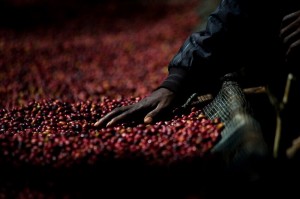
Visitors are often surprised by how strong Ethiopian coffee is. Many find that one or two cups are energizing, but drinking three can lead to a sleepless night. The coffee is always organic, free from pesticides or chemical fertilizers, making it as pure as it is potent.
Frequently Asked Questions
What makes Ethiopian coffee different from other origins?
Ethiopian coffee is unique due to its incredible diversity of flavor profiles, grown in native environments without hybridization. Factors like high altitude (1,100–2,300m), rich volcanic soils, and traditional processing create bright, complex cups with notes ranging from citrus and floral to berry and wine. No other country offers such a wide range of naturally occurring flavor expressions in single-origin coffee.
Which Ethiopian coffee region is best for bright, citrusy flavors?
Yirgacheffe is renowned for its bright acidity and floral-citrus profiles. Grown around 2,000 meters, its washed coffees often taste like jasmine, lemon, and green tea, while natural-processed lots may feature blueberry and tropical fruit. It’s ideal for those who enjoy vibrant, tea-like coffees.
What is the traditional Ethiopian coffee ceremony?
The Ethiopian coffee ceremony is a social event where green beans are roasted, ground by hand, and brewed in a clay pot called a jebena. It includes burning incense, serving coffee in small cups, and usually involves three rounds: abol, tona, and baraka. The entire process takes about 30 minutes and is a key part of Ethiopian hospitality.
Are Ethiopian coffees mostly washed or natural processed?
Ethiopian coffees are processed both ways, depending on the region and producer. Washed coffees (like many from Yirgacheffe) highlight clarity and acidity, while natural-processed beans (common in Harar) develop fruity, wine-like flavors. Both methods are done carefully by hand to preserve quality.
Why is Ethiopian coffee so flavorful?
The combination of high altitude, optimal rainfall (900–2,700mm annually), cool temperatures (15–24°C), and rich, well-drained soils allows Ethiopian coffee cherries to develop slowly, concentrating sugars and acids. Add in generations of smallholder expertise and minimal chemical use, and you get some of the most vibrant, complex coffees in the world.
Is Ethiopian coffee easy to find as single origin?
Yes, Ethiopian coffee is one of the most widely available single-origin options globally, especially from well-known regions like Yirgacheffe, Sidamo, and Harar. Many specialty roasters offer multiple Ethiopian lots due to the country’s extraordinary bean diversity.
Recommended FrontStreet Coffee Beans from Ethiopia
For a true taste of Ethiopia, try FrontStreet Coffee’s Yirgacheffe (Gedeb), known for its bright citrus and floral notes, perfect as a light roast pour-over. The Ethiopia Huakui offers a fruity, honeyed profile with strawberry and tropical hints, ideal for those who enjoy a wine-like cup. Both beans showcase Ethiopia’s exceptional terroir and are roasted to highlight their unique characteristics. Freshly roasted within 5 days · Orders placed before 17:00 ship the same day · Next-day delivery across most of Guangdong Province.
FrontStreet Coffee is a long-established specialty coffee roaster in Guangzhou China, selling freshly roasted beans from its own farm in Yunnan as well as dozens of carefully selected single-origin beans from around the world for both pour-over and espresso. The products deliver consistently excellent quality and great value, with shipping within 24 hours. Guangzhou's FrontStreet Coffee shop is recommended by many coffee lovers, and the beans are now available online at the Tmall 。
Important Notice :
前街咖啡 FrontStreet Coffee has moved to new addredd:
FrontStreet Coffee Address: 315,Donghua East Road,GuangZhou
Tel:020 38364473