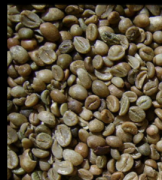
Yirgacheffe Coffee Beans with Lemon Notes from Ethiopia
If you’ve ever tasted a cup of coffee that opens with jasmine and citrus and ends with soft peach tea, you may have had Yirgacheffe. This tiny Ethiopian town gives its name to some of the world’s most distinctive specialty coffees—known for their floral aromas and vibrant acidity. But what makes Yirgacheffe coffee so unique, and why does it often smell like blueberries right out of the roaster? Let’s break it down.
Yirgacheffe coffee is celebrated for its bright lemon and jasmine notes, with some batches offering intense blueberry aroma. Most Yirgacheffe beans are grown between 1,700 and 2,100 metres above sea level, contributing to their complex acidity and light body. The most iconic profiles come from washed and natural processed beans sourced from villages such as Idido, Gedeb, and Harfusa.
Where Yirgacheffe Coffee Comes From
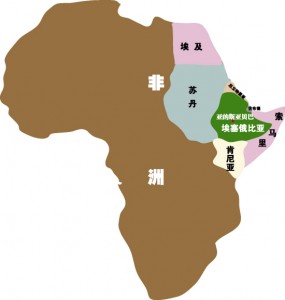
Yirgacheffe is both a town and a coffee-growing region in Ethiopia’s Southern Nations, Nationalities, and Peoples' Region, originally part of the larger Sidamo province. Located at 1,700–2,100 metres elevation, it sits near wetlands—its name roughly translates as “let’s settle in the wetlands.” Over time, Yirgacheffe developed its own reputation for high-quality coffee, distinct enough to become its own recognized coffee origin separate from Sidamo in 2010.
The area is made up of small villages including Idido, Gedeb (also called Harfusa), Hama, and others, all producing coffee with similar bright, complex characteristics. Many farms operate at household scale, with coffee trees grown alongside other crops or in backyard gardens. The stable microclimate—with cool breezes, moderate rainfall, and year-round mild temperatures—helps develop the region’s signature floral and citrus qualities.
Flavor Profile: Why Yirgacheffe Tastes Like Citrus and Flowers
Yirgacheffe coffee is known for a specific sensory profile: intense jasmine and citrus aromas, often with lemon or lime acidity, followed by soft stone fruit sweetness like peach or apricot, and sometimes a delicate tea-like finish. Some lots, especially those processed naturally, show stronger berry notes. This season, blueberry aroma has been notably strong in freshly roasted Yirgacheffe beans, filling the room as soon as the beans are ground.
The term “Yirgacheffe flavor” generally includes bright citrus (especially lemon or lime), floral notes (like jasmine or white flowers), and sweet undertones (peach, almond, or even green tea). These attributes come from the combination of high altitude, careful farming, and distinct processing methods. The effect is often described as “flowers blooming on the palate,” with a silky mouthfeel that contrasts with the coffee’s vibrant acidity.
How Yirgacheffe Coffee Is Processed
Yirgacheffe coffee is processed in two primary ways, each yielding markedly different results:
- Washed (or Wet) Process (G1 grade): This is the most common and iconic method for Yirgacheffe. The highest grade, G1, highlights crisp citrus and floral tones, with a clean, tea-like body. Washed Yirgacheffe is celebrated for its clarity and balance.
- Natural (or Dry) Process (G1, G3–G5 grades): A smaller portion of Yirgacheffe is processed naturally. The best natural lots (graded G1) tend to intensify fruitiness, with more pronounced berry and tropical notes. Naturally processed beans offer a fuller body and a different kind of complexity, often surprising drinkers with how fruity coffee can taste.
Most of the award-winning Yirgacheffe coffees come from villages like Idido, Gedeb, and Harfusa, where cooperatives focus on quality and traceability. Some producers also experiment with small-batch naturals to highlight the region’s fruity potential.
How to Brew Yirgacheffe Coffee
Yirgacheffe shines when brewed with methods that highlight its acidity and aroma—like pour-over. For the best results:
- Water Temperature: 85–90°C (some sources suggest 90–91°C for V60)
- Grind Size: Medium-fine to fine (comparable to table salt or sugar; around 20-mesh sieve passing 80%)
- Brew Ratio: 1:12 to 1:18 (adjust based on taste preference)
- Bloom: Start with a 30-second bloom using about 30g of water
- Example V60 Method: 15g coffee to 225g water. First pour 30g for bloom, then 95g, then 100g. Total brew time: ~2:10
Because Yirgacheffe is naturally bright and low in bitterness, it pairs well with just a touch of sugar if you're easing into black coffee—but many drinkers enjoy its natural sweetness without any additions. Avoid over-roasting: Yirgacheffe is best enjoyed as a light to medium roast to preserve its delicate floral and citrus notes.
Frequently Asked Questions
What does Yirgacheffe coffee taste like?
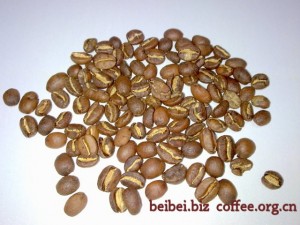
Yirgacheffe coffee typically has bright citrus (like lemon or lime), strong jasmine floral notes, and a soft sweetness reminiscent of peach or almond. Some batches also exhibit blueberry or berry-like aromas, especially when freshly roasted. The body is usually light to medium, with a tea-like or silky mouthfeel.
Where is Yirgacheffe coffee from?
Yirgacheffe coffee comes from the Yirgacheffe town and surrounding villages in Ethiopia’s Sidamo region, at elevations between 1,700 and 2,100 metres. Though originally part of Sidamo, it became a distinct origin in 2010 due to its unique cup profile.
How should I brew Yirgacheffe coffee?
Yirgacheffe is best brewed using pour-over methods like V60 or Kalita Wave, with a water temperature of 85–90°C, a brew ratio of 1:12 to 1:18, and a medium-fine grind. Start with a 30-second bloom and adjust based on your taste preferences.
What’s the difference between washed and natural Yirgacheffe?
Washed Yirgacheffe (usually graded G1) is clean, bright, and highlights citrus and floral notes with a light body. Natural Yirgacheffe (G1–G5) tends to have more intense fruitiness, including berry and tropical notes, with a fuller mouthfeel. Both processing methods are used to bring out different sides of Yirgacheffe’s flavor profile.
Why does my Yirgacheffe coffee smell like blueberries?
Some Yirgacheffe batches, especially when freshly roasted, develop a strong blueberry aroma. This is a natural expression of the coffee’s terroir and processing, and is particularly noted in this season’s crop. The scent often fills the room when the beans are ground.
Can I roast Yirgacheffe dark?
Yirgacheffe is best enjoyed as a light to medium roast. Dark roasting can mute its delicate floral and citrus characteristics, which are the hallmark of its flavor profile. Roasters recommend preserving its natural brightness with a lighter roast.
Recommended FrontStreet Yirgacheffe Coffees
Start with FrontStreet Coffee’s washed Yirgacheffe, known for its classic white jasmine, bright citrus, and tea-like body—a perfect introduction to the region. For a more specific terroir experience, try the water-washed beans from the Gedeb cooperative, which showcase intense citrus and floral notes with remarkable clarity. For something fruitier, the FrontStreet Red Cherry Natural offers a full-bodied, tropical profile with ripe berry and honey sweetness from fully sun-dried Yirgacheffe fruit. All three highlight the region’s signature qualities. Freshly roasted within 5 days · Orders placed before 17:00 ship the same day · Next-day delivery across most of Guangdong Province.
FrontStreet Coffee is a long-established specialty coffee roaster in Guangzhou China, selling freshly roasted beans from its own farm in Yunnan as well as dozens of carefully selected single-origin beans from around the world for both pour-over and espresso. The products deliver consistently excellent quality and great value, with shipping within 24 hours. Guangzhou's FrontStreet Coffee shop is recommended by many coffee lovers, and the beans are now available online at the Tmall 。
Important Notice :
前街咖啡 FrontStreet Coffee has moved to new addredd:
FrontStreet Coffee Address: 315,Donghua East Road,GuangZhou
Tel:020 38364473