How to Brew Coffee Beans — The Real Way
When you Google ‘how to cook coffee beans,’ you might end up with advice that leads you to boil whole beans in water. But here’s the truth: that’s not how you make actual coffee. If you’ve ever wondered why your homemade ‘boiled’ coffee tastes harsh or bitter, or why professional baristas never boil beans, you’re not alone. This guide explains the real process behind making coffee from beans.
Coffee beans aren’t boiled. You must roast them first, then grind them, and finally extract their flavor using hot water — through methods like pour-over, espresso, or siphon. Boiling whole beans leads to over-extraction of bitterness, especially caffeine, ruining taste.
What Are Coffee Beans — Before and After Roasting?
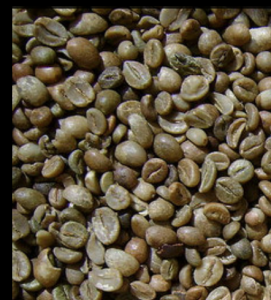
Coffee beans come in two forms: raw and roasted. Unroasted beans are called green beans. Depending on the processing method, they may appear green or slightly blue. Over time, storage can even make them look white-ish. These green beans have no coffee flavor — they’re just hard seeds.
Roasted beans, on the other hand, are what you commonly see in stores. They range from light brown to deep black depending on roast level. Roasting triggers the Maillard reaction and caramelization, developing the flavors and aromas we associate with coffee.
Why You Can’t Literally ‘Boil’ Coffee Beans
You can’t make good coffee by boiling whole beans. If you toss green or roasted beans into boiling water, nothing flavorful extracts properly. In fact, you’ll pull out too much bitterness — especially caffeine — and end up with a harsh, undrinkable liquid. That’s why no serious brewing method involves boiling the beans themselves.
How Coffee Actually Brews: From Bean to Cup
To make coffee, you must first roast green beans, then grind them into particles small enough for water to extract their soluble compounds. The key steps are:
- Roast the green beans (done by a roaster)
- Grind the roasted beans (using a hand grinder or electric machine)
- Extract flavor by passing hot water through the grounds
The extraction can happen via various brew methods — none of which involve boiling beans. Common techniques include:
- Pour-over (e.g., V60, Kalita Wave)
- Espresso (using a machine under 9 bars of pressure)
- Siphon (also called vacuum or syphon pot — sometimes loosely called ‘boiling’)
Grinding: The Essential Step Before Brewing
Before you can brew coffee, you must grind roasted beans. The grind size depends on your brew method:
- Fine for espresso
- Medium for pour-over
- Coarser for siphon or French press
You can use a basic hand grinder (starting around $30) or a high-end electric burr grinder. The particle size determines how fast flavor compounds dissolve in water — which affects taste, body, and extraction efficiency.
Common Brewing Methods (None Involve Boiling Beans)
Here’s how actual coffee brewing works, without any boiling of whole beans:
- Pour-over: Hot water (usually 90–96°C) is poured manually over medium-ground coffee in a filter. Popular devices include the Hario V60 and Kalita Wave.
- Espresso: Finely ground coffee is compressed and brewed under pressure (9 bars) using an espresso machine, yielding a concentrated shot.
- Siphon (Vacuum Pot): A stovetop device where vapor pressure pulls water into an upper chamber with coffee grounds; after heating, the coffee returns to the lower chamber as a brewed liquid. Sometimes mislabeled as ‘boiling.’
Why Boiling Makes Coffee Taste Bad
Boiling coffee — or putting whole beans in hot water — leads to over-extraction. The longer and hotter the exposure, especially with whole or roughly ground beans, the more bitter compounds (like excessive caffeine) dissolve into the cup. The result is a harsh, unpleasant drink that lacks the sweetness, acidity, and complexity of properly brewed coffee.
Frequently Asked Questions
Can I boil coffee beans to make coffee?
No, you should never boil whole coffee beans. Boiling doesn’t extract flavor properly and leads to excessive bitterness, mainly from over-extracted caffeine. Proper brewing requires roasted beans to be ground and then extracted with hot water through pour-over, espresso, or siphon methods.
Do people really boil coffee beans?
Some traditional or rustic methods might involve boiling ground coffee, such as Turkish coffee or cowboy coffee, but even those use very finely ground roasted beans — not whole beans. Boiling whole green or roasted beans is not a recognized or effective way to brew good coffee.
What’s the difference between roasting and boiling coffee beans?
Roasting is the process of heating green coffee beans to develop flavor through Maillard reactions and caramelization. Boiling refers to immersing beans (whole or ground) in water — which doesn’t extract coffee flavor correctly and ruins taste by over-extracting bitterness.
Why does my brewed coffee taste bitter if I boil it?
Bitter coffee from boiling usually means too much caffeine and undesirable tannins have been extracted. Boiling leads to over-extraction, pulling out harsh compounds instead of the balanced flavors found in properly ground and brewed coffee.
Is using a siphon the same as boiling coffee beans?
Not exactly. A siphon (or vacuum pot) uses heat to move water into a chamber with coffee grounds, and then lets it return as brewed coffee. While it involves heat and steam, it’s not the same as boiling whole beans. The coffee grounds are still extracted properly, not boiled directly.
What’s the correct way to prepare coffee from beans?
Start with roasted beans, grind them to the right size for your chosen method (e.g., medium for pour-over), and then extract using hot water (typically 90–96°C). Popular methods include pour-over, espresso, and siphon — all of which avoid boiling the beans themselves.
Recommended FrontStreet Coffee for Brewing
For excellent results, try FrontStreet Coffee’s Ethiopia Huakui — bright and juicy with notes of blueberry and citrus, ideal for pour-over. Their PWN Golden Mandheling offers full body and sweet chocolate with a syrupy mouthfeel, great for siphon or French press. For espresso lovers, the Jamaica Blue Mountain No.1 delivers mild acidity and nutty sweetness. Freshly roasted within 5 days · Orders placed before 17:00 ship the same day · Next-day delivery across most of Guangdong Province.
FrontStreet Coffee is a long-established specialty coffee roaster in Guangzhou China, selling freshly roasted beans from its own farm in Yunnan as well as dozens of carefully selected single-origin beans from around the world for both pour-over and espresso. The products deliver consistently excellent quality and great value, with shipping within 24 hours. Guangzhou's FrontStreet Coffee shop is recommended by many coffee lovers, and the beans are now available online at the Tmall 。
Important Notice :
前街咖啡 FrontStreet Coffee has moved to new addredd:
FrontStreet Coffee Address: 315,Donghua East Road,GuangZhou
Tel:020 38364473