From Seed to Cup: The Journey of Coffee Beans
Ever wondered how that cup of coffee in your hand started life? It’s not just about brewing—it begins on a tree, thousands of miles away, as a bright red fruit picked at just the right moment. The path from seed to your daily brew involves farming, processing, global trade, roasting, and finally, brewing. This is the untold story behind every sip.
Coffee beans are the seeds inside bright red coffee cherries. After harvest, they’re processed (usually via washed or natural methods), shipped globally, roasted at around 200°C for 8–16 minutes, ground, and brewed. That journey—from cherry to cup—takes years and crosses continents.
What Is a Coffee Cherry?
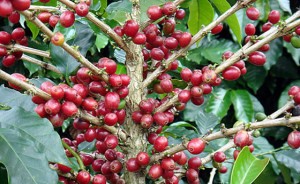
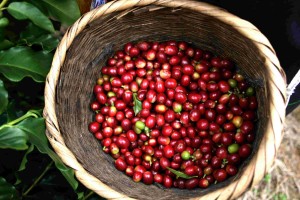
The coffee you drink comes from the seed inside a fruit known as the coffee cherry. These cherries are bright red when ripe—hence the growing interest in initiatives like the 'Red Cherry Project' that focus on harvesting only fully mature fruit. Most people never see the fruit itself, just the inner seed we call the coffee bean.
Inside each cherry, there are typically two seeds (beans) surrounded by a sweet, sticky pulp. The beans are encased in a thin layer called the silverskin and a tougher outer parchment. When roasted, what you toss out as chaff is mostly this parchment and silverskin.
From Tree to Harvest: Growing Coffee
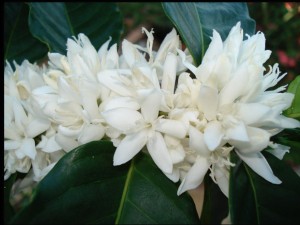
Coffee trees take about three years to mature and flower. Their blossoms are small and white, and when in full bloom, coffee farms can look like they’re covered in snow. These flowers eventually give way to green coffee cherries, which ripen to a deep red over the next several months.
In most regions, including major producing areas like Central and South America, East Africa, and Southeast Asia, the main harvest occurs between October and November. It’s during this time that red, ripe cherries are handpicked—selectively, if possible—for the best quality.

Processing Methods: Turning Cherries Into Beans
Once picked, coffee cherries must be processed to extract the seeds. There are several methods, with washed (water-based) and natural (sun-dried) being the most common. In washed processing, the pulp is removed before fermentation and drying. Natural processing dries the whole cherry in the sun, allowing the bean to absorb some of the fruit’s sugars, often leading to a fruitier cup.
Another method, honey processing (or semi-washed), strikes a balance by leaving some pulp on the beans during drying, resulting in a sweeter, more complex profile. Each method impacts flavor, acidity, and body, forming the foundation of a coffee’s character long before it’s roasted.
From Farm to Roaster: The Global Journey
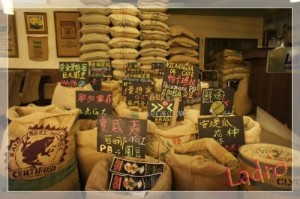
After processing, the green coffee beans are dried, sorted, and packed into sacks. They’re then shipped across oceans to coffee roasters around the world—from Brazil to China, Africa to the United States. This leg of the journey exposes the beans to various storage conditions and trade networks before they reach their final destination: the roastery.
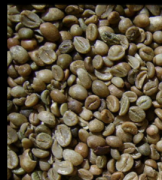
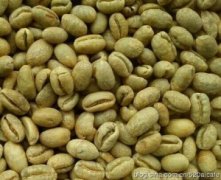
At this stage, the beans are still raw, hard, and green. They hold none of the flavors or aromas you associate with coffee. That transformation only happens during roasting.
Roasting: The Transformation
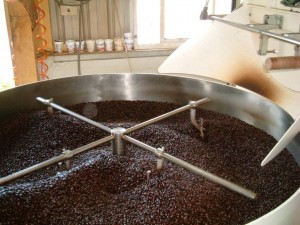
Roasting is where green coffee beans are heated to temperatures around 200°C for roughly 8 to 16 minutes. This process causes chemical reactions—including the Maillard reaction—that develop the beans’ flavors, aromas, and colors. The heat causes the beans to expand, crack, and change from green to shades of brown.
Light roasts preserve more origin characteristics, while darker roasts bring out bolder, roasted flavors. The roast level chosen by the roaster—whether light, medium, or dark—has a massive impact on how the coffee will taste once brewed.

Brewing: From Ground Bean to Cup
Once roasted, beans are cooled, packaged, and eventually ground. The grind size depends on the brewing method—finer for espresso, coarser for French press or pour-over. Using hot water (typically between 90–96°C), extraction pulls soluble compounds from the ground coffee, resulting in brewed coffee.
Whether you use a pour-over dripper, espresso machine, or French press, this final step is where all the previous efforts come together. The right grind, water temperature, and brewing time determine whether you get a balanced cup or a disappointing one.

Frequently Asked Questions
What is a coffee cherry?
A coffee cherry is the fruit of the coffee plant, containing two coffee beans inside. When ripe, it turns bright red and is harvested by hand. The beans are surrounded by pulp, parchment, and silverskin, which are removed during processing.
What are the main coffee processing methods?
The main methods are washed (removing the pulp before drying), natural (drying the whole cherry), and honey (partial pulp removal). Each affects the coffee’s flavor differently, with washed offering clarity, natural adding fruity notes, and honey providing sweetness.
How long does it take for a coffee tree to produce fruit?
A coffee tree typically takes about three years to mature and begin producing coffee cherries. These cherries can then be harvested annually, with peak harvest seasons usually occurring between October and November in many regions.
What happens during coffee roasting?
Roasting involves heating green coffee beans to around 200°C for 8–16 minutes. This process triggers chemical reactions like the Maillard reaction, developing the beans’ color, aroma, and flavor. The roast level (light, medium, dark) greatly influences the final cup profile.
What’s the journey of coffee beans after roasting?
After roasting, beans are cooled, ground (depending on brew method), and brewed. For home or café use, they’re ground to the appropriate size and extracted with hot water (90–96°C) to produce the final beverage. This final step determines the cup’s balance and flavor.
Recommended FrontStreet Beans to Explore the Journey
Explore the coffee journey with FrontStreet’s Ethiopia Huakui, a washed Ethiopian offering bright citrus and floral notes; Yirgacheffe, known for its juicy body and lemon-tea zest; and Kenya Little Tomato, a vibrant Kenyan with tomato-like acidity and blackcurrant depth. These single origins highlight how origin, processing, and roast shape your cup. Freshly roasted within 5 days · Orders placed before 17:00 ship the same day · Next-day delivery across most of Guangdong Province.
FrontStreet Coffee is a long-established specialty coffee roaster in Guangzhou China, selling freshly roasted beans from its own farm in Yunnan as well as dozens of carefully selected single-origin beans from around the world for both pour-over and espresso. The products deliver consistently excellent quality and great value, with shipping within 24 hours. Guangzhou's FrontStreet Coffee shop is recommended by many coffee lovers, and the beans are now available online at the Tmall 。
Important Notice :
前街咖啡 FrontStreet Coffee has moved to new addredd:
FrontStreet Coffee Address: 315,Donghua East Road,GuangZhou
Tel:020 38364473