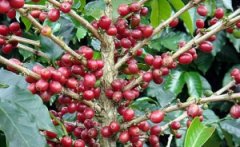
Dominican Santo Domingo Coffee Beans: What Makes Them Special?
If you’ve ever wondered why some single-origin coffees taste crisp, clean, and distinctly fruity without being overly sharp or bitter, the answer might lie in where they’re grown. The Dominican Republic—part of the Caribbean island of Hispaniola—produces coffee that punches well above its weight in the specialty market. One standout is the Santo Domingo coffee bean, often overlooked but quietly celebrated for its balance and clarity.
In short: Santo Domingo coffee beans from the Dominican Republic are washed-process, high-altitude-grown beans known for a bright acidity, full body, and fruity, floral notes. They typically come from elevations over 1,500 meters, especially around regions like Ocoa, Juncalito, and Barahona.
Where Are Santo Domingo Coffee Beans Grown?
The Dominican Republic sits in the West Indies, sharing the island of Hispaniola with Haiti. It covers around 49,000 square kilometers with a population of 7.1 million. While its neighbour Haiti has faced political instability, the Dominican Republic has maintained relative peace through democratic governance since the late 20th century. This stability, along with fertile highlands and a tropical climate, provides ideal conditions for growing specialty-grade coffee.
Climate and Geography: Why Elevation Matters
The Dominican Republic lies south of the Tropic of Cancer, experiencing a tropical climate with distinct wet and dry seasons. Rain falls primarily from May to November, with the hurricane season lasting from June to November. Infrastructure can struggle under extreme weather, especially in flood-prone areas. Rainfall varies significantly: the northern mountains get up to 2,500 mm annually, while the west sees as little as 500 mm. Average temperatures range from 21°C in the mountains to 25°C along the coast. In the capital, Santo Domingo, January averages 25°C and July 30°C.
Coffee thrives at higher altitudes, particularly above 1,500 meters in the central and southwestern highlands. These cooler temperatures slow cherry maturation, allowing for more complex sugars to develop. The best-regarded coffee comes from regions like Ocoa, Juncalito, and especially Barahona in the southwest. Elevation, rainfall distribution, and volcanic soil all contribute to the distinct cup profile.
Processing Method: Why Washed Coffee Defines Quality
Unlike many of its neighbours, the Dominican Republic predominantly processes coffee using the washed (wet) method. This involves removing the coffee cherry’s skin and pulp before fermenting and washing the beans to remove the mucilage. The result is a cleaner, more consistent cup with enhanced clarity and acidity. Most Dominican coffee, including the famed Santo Domingo beans, is processed this way—making it a mark of quality and care in the local industry.
Manual sorting is also standard practice. Beans are graded based on size, density, and visual uniformity. Only the most consistently sized and dense beans are selected for export or used to represent the country’s finest offerings. This attention to detail ensures a more uniform roast and a better-tasting cup.
Flavour Profile: What to Expect from Santo Domingo Coffee
Santo Domingo coffee is described as having a light, elegant profile. Notes include bright acidity, a full mouthfeel, and a fragrant aroma. Flavours often lean toward fruity and floral, with a smooth, lingering finish. The washed process helps preserve these delicate characteristics, making the coffee both refreshing and easy-drinking.
There’s a notable distinction between highland and lowland-grown beans. Highland coffees tend to be more acidic and complex, while those from lower elevations offer a softer, more balanced cup. Recent years have seen Dominican producers aiming for higher quality, with some estates now producing beans that rival the well-known profiles of Puerto Rico or Jamaica. Fruitiness and moderate brightness define the best examples.
Dominican Coffee Culture and Traditions
Beyond production, coffee plays a cultural role in daily life. While the country is famous for its Carnival celebrations—especially in La Vega in February—local pastimes also include legal, high-stakes cockfighting held in dedicated arenas, often accompanied by music and dancing. These social traditions reflect a broader appreciation for craftsmanship and community, values also embedded in the country’s coffee trade.
Frequently Asked Questions
What makes Santo Domingo coffee different from other Caribbean coffees?
Santo Domingo coffee is distinct for its washed processing method, high-altitude cultivation (often above 1,500 meters), and bright yet smooth flavour profile. Compared to Haitian coffees, which may use natural processing more often, Santo Domingo beans are cleaner, more consistent, and fruit-forward due to meticulous sorting and wet processing.
Where in the Dominican Republic is the best coffee grown?
The best Dominican coffee comes from high-altitude regions like Ocoa, Juncalito, and Barahona. These areas have rich volcanic soils, consistent rainfall, and elevations over 1,500 meters, all of which contribute to a complex and vibrant cup profile.
Is Santo Domingo coffee washed or natural?
Santo Domingo coffee is typically processed using the washed (wet) method, which is standard for most Dominican coffee. This process enhances clarity, acidity, and cleanliness in the cup, distinguishing it from naturals or honeys.
What flavours can I expect from Santo Domingo coffee?
Expect a bright acidity, medium body, and flavours that include fruity and floral notes. The cup is often described as clean, fragrant, and smooth, with a mellow finish. The washed process helps maintain these delicate attributes.
Does elevation affect Dominican coffee flavour?
Yes. Higher elevations (above 1,500 meters) slow down cherry development, leading to denser beans with more concentrated sugars and acids. This results in a more complex and vibrant cup compared to lower-altitude beans, which tend to be mellower.
Is Dominican coffee considered specialty grade?
Many Dominican coffees, especially those from regions like Ocoa and Barahona and processed using washed methods, meet specialty-grade standards. The attention to bean selection, processing, and growing altitude supports high cup quality.
Recommended FrontStreet Beans with Similar Profiles
For drinkers curious about bright, clean coffees like Santo Domingo, try FrontStreet’s Jamaica Blue Mountain No.1 (washed Typica, balanced with notes of almond and milk chocolate), Brazil Queen Manor (Yellow Bourbon, creamy with notes of peanut butter and cane sugar), or Ethiopia Huakui (floral and citrusy, great for fruit lovers). All are carefully processed and showcase distinct origin characteristics. Freshly roasted within 5 days · Orders placed before 17:00 ship the same day · Next-day delivery across most of Guangdong Province.
FrontStreet Coffee is a long-established specialty coffee roaster in Guangzhou China, selling freshly roasted beans from its own farm in Yunnan as well as dozens of carefully selected single-origin beans from around the world for both pour-over and espresso. The products deliver consistently excellent quality and great value, with shipping within 24 hours. Guangzhou's FrontStreet Coffee shop is recommended by many coffee lovers, and the beans are now available online at the Tmall 。
Important Notice :
前街咖啡 FrontStreet Coffee has moved to new addredd:
FrontStreet Coffee Address: 315,Donghua East Road,GuangZhou
Tel:020 38364473