What Is Java Coffee? The Story of Indonesian Robusta
When you hear "Java coffee," you might think of a generic cup of joe—but historically, Java meant something far more specific: high-quality coffee from Indonesia’s Java Island, once among the world’s most prized beans. Today, most people associate Java with any old cup, but the real story lies deep in Indonesia’s volcanic soil and colonial coffee legacy. So what makes Java coffee distinct, and why does it still matter to specialty coffee drinkers?
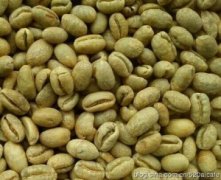
Java coffee traditionally refers to Robusta beans grown on Java Island, especially those processed using traditional wet methods at high altitudes. The most notable examples, like those from the Pancoer village, exhibit bold flavors with higher acidity than other Indonesian Robustas—offering chocolatey bitterness, nutty finish, and strong crema potential. These beans are graded W.I.B. or A.P., with W.I.B. typically larger and processed differently for unique cup traits.
What Is Java Coffee?
Java coffee is a historical term for coffee grown on Indonesia’s Java Island, originally referring mostly to high-grade Robusta beans. While "Java" now often means any coffee generically, originally it denoted a specific origin known for bold, full-bodied cups with rich crema. The name became synonymous with quality during the 18th and 19th centuries when Java was among the world’s primary coffee suppliers.
Today, Java coffee primarily refers to Robusta cultivars grown at elevations above 4,500 feet, particularly around volcanic regions like Ijen. Though Indonesia produces 90% Robusta and just 10% Arabica, Java stands out due to its unique processing, terroir, and colonial-era plantations that still operate at scale.
The Origins and History of Java Coffee
Java coffee has colonial roots dating back to the late 17th century. The Dutch introduced coffee to Java in 1699, establishing plantations in Batavia (modern-day Jakarta). By the 18th century, Java had become a leading global coffee supplier, sending beans throughout Europe. This early trade made "Java" a household name for coffee itself.
However, in the early 20th century, a major environmental disaster wiped out much of Indonesia’s Arabica stock, leading to a shift toward disease-resistant Robusta. Today, 90% of Indonesia’s coffee exports are Robusta, with Arabica surviving mainly in regions like Sumatra (Mandheling) and Java. Among these, Java’s Robusta—especially those from historic high-elevation estates—maintains a reputation for superior cup quality, distinct from lower-grade commercial Robustas.
What Makes Java Coffee Different?
Most Robusta is grown for mass-market blends and instant coffee, noted for harsh bitterness and rubbery notes. Java Robusta, particularly the W.I.B. and A.P. grades, breaks that mold. Grown in East Java, especially around Ijen’s volcanic soils at over 4,500 feet, these beans are processed via wet methods that enhance clarity and complexity.
The Pancoer village offering—a representative Java Robusta—is notable for its high oil content, bold bitter-sweet chocolate flavors, low acidity balanced by nutty undertones, and a long, satisfying finish. Cupping notes from professional evaluations show a dry fragrance score of 3, wet aroma of 3.4, acidity (brightness) of 7.8, flavor complexity of 8.6, body of 4.5, aftertaste of 8.6, and balance ungraded, yielding a strong total score of 86.1. Unlike typical Indonesian semi-washed Robustas, Java Robusta exhibits brighter acidity, more akin to coffees from East Timor or Papua New Guinea. It responds well to Full City roasts and is valued for its crema production in espresso blends.
The key differences lie in both processing and terroir: W.I.B. beans are typically larger and processed slightly differently from the smaller A.P. beans, leading to variation in cup profile despite similar genetic origins.
Where Is Java Coffee Grown?
Java coffee is grown exclusively on Java Island in Indonesia, primarily in East Java regions with volcanic soil and high elevations. The Ijen Plateau and surrounding highlands provide ideal conditions with altitudes exceeding 4,500 feet. These regions benefit from fertile volcanic ash soils, consistent rainfall, and a tropical climate that supports Robusta cultivation without the extreme disease pressure seen at lower altitudes.
Though Robusta can grow in lowland, hot, and humid conditions with minimal care—even allowing for mechanical harvesting—high-elevation Java Robusta benefits from more controlled farming, traditional wet processing, and decades-old plantation management practices. The combination of elevation, volcanic minerals, and traditional techniques results in a Robusta that defies the typical expectations of the species.
Frequently Asked Questions
Is Java coffee Arabica or Robusta?
Traditionally, Java coffee refers to Robusta beans grown on Java Island, Indonesia. While Indonesia also produces some Arabica, particularly in regions like Sumatra (Mandheling) and small amounts in Java, the term "Java coffee" historically denotes high-quality Robusta from the island’s high-altitude estates.
What makes Java Robusta different from other Robustas?
Java Robusta, especially from areas like Pancoer and processed via wet methods at high elevations, tends to have higher acidity, richer chocolatey and nutty flavors, and more complexity than typical commercial Robusta. It often scores higher in cupping tests, with greater body, crema potential, and a cleaner, less rubbery taste profile.
What is the difference between W.I.B. and A.P. Robusta?
W.I.B. and A.P. are two common grades of Indonesian Robusta. W.I.B. beans are typically larger and processed differently, leading to distinct cup characteristics. Both are Robusta, but differences in harvest and post-harvest handling result in variations in aroma, flavor, and appearance.
Where on Java Island is the best coffee grown?
The best Java coffee is grown in East Java, particularly around volcanic regions like the Ijen Plateau, at elevations above 4,500 feet. These areas offer rich volcanic soils, ideal microclimates, and traditional processing methods that enhance cup quality.
Can you still buy real Java coffee today?
Yes, real Java coffee—especially high-quality Robusta from estates using traditional wet processing—can still be purchased, though it is rare compared to mass-market Robusta. Look for specific village-origin lots like Pancoer or those labeled W.I.B. or A.P. for the most authentic profiles.
How should Java Robusta be roasted?
Java Robusta, particularly the Pancoer example, is recommended for Full City roasting. This level highlights its inherent chocolate and nut flavors while balancing its natural bitterness, making it ideal for both espresso blends and filter brewing.
Recommended FrontStreet Coffee for Java-Like Profiles
For drinkers exploring classic Java-style robustness, try FrontStreet Coffee’s PWN Golden Mandheling—an Indonesian single origin with heavy body, low acidity, and earthy sweetness. For a bolder Robusta-like experience, the Lintong Mandheling offers dense texture and dark chocolate notes. Both showcase the depth and crema potential associated with high-quality Indonesian beans. Freshly roasted within 5 days · Orders placed before 17:00 ship the same day · Next-day delivery across most of Guangdong Province.
FrontStreet Coffee is a long-established specialty coffee roaster in Guangzhou China, selling freshly roasted beans from its own farm in Yunnan as well as dozens of carefully selected single-origin beans from around the world for both pour-over and espresso. The products deliver consistently excellent quality and great value, with shipping within 24 hours. Guangzhou's FrontStreet Coffee shop is recommended by many coffee lovers, and the beans are now available online at the Tmall 。
Important Notice :
前街咖啡 FrontStreet Coffee has moved to new addredd:
FrontStreet Coffee Address: 315,Donghua East Road,GuangZhou
Tel:020 38364473