What Is Mandheling Coffee? Indonesia’s Iconic Bean
If you’ve ever tasted a bold Indonesian coffee with zero acidity, deep sweetness, and earthy spice — the kind that feels like drinking liquid cedar — you may have had Mandheling. But here’s the twist: Mandheling isn’t a place. It’s not even a coffee variety. It’s the result of a World War II-era misunderstanding — and a processing method born from necessity.
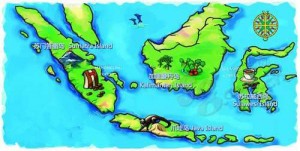
Mandheling coffee refers to high-quality arabica beans grown mainly in Indonesia’s North Sumatra region, especially around Lake Toba (Lintong) and Aceh. The name comes from a Japanese soldier mishearing “Mandailing” (an ethnic group) as “Mandheling.” That error turned into a legendary coffee brand shipped to Japan, and eventually, a global specialty coffee icon.
Why Is It Called Mandheling?
During the Japanese occupation of Indonesia in WWII, a soldier tasted an exceptional cup in a café and asked for the coffee’s name. The shopkeeper thought he was being asked where he was from, and answered “Mandailing.” The soldier went home remembering “Mandheling” coffee — rich, smooth, unforgettable. After the war, he arranged for 15 tons to be sent to Japan via a trader from the now-famous PWN company. That chance meeting gave this Indonesian arabica its iconic, if accidental, name.
The Unique Terroir: Sumatra’s High-Altitude Arabica
Mandheling is grown at elevations between 750 and 1,500 meters in Indonesia’s Sumatra region, primarily in the Lintong area near Lake Toba and the Gayo Highlands of Aceh. Unlike much of Indonesia, which focuses on robusta, Mandheling is one of the rare arabica coffees from the country. The high altitude, volcanic soil, and tropical climate produce beans with intense body, low acidity, and complex flavors often described as spicy, chocolatey, syrupy, and herbal.
How Wet Hulling Created Mandheling’s Signature Flavor
Sumatra’s frequent rain during harvest makes traditional sun drying unreliable. To adapt, farmers developed a unique method called wet hulling (also known as Giling Basah). Here’s how it works:
- Coffee cherries are depulped and briefly dried to 20–30% moisture, leaving the mucilage (fruit layer) still sticky.
- Before the mucilage fully ferments, it’s removed mechanically while the beans are still semi-dry.
- The beans, still unwashed and not fully dry, go through multiple stages of drying — first by farmers, then traders, and finally exporters — until they reach 12% moisture.
- This unusual three-phase drying process under high humidity is what gives Mandheling its signature low acidity, heavy mouthfeel, and deep herbal or woody aromas.
How to Brew Mandheling at Home: A Pour-Over Guide
To experience Mandheling’s full character — its bold body, spice notes, and lingering sweetness — try brewing it as a pour-over. Here’s a simple step-by-step using a V60 or similar dripper:
- Wet your filter with hot water to seal it against the dripper.
- Add 15g of Mandheling coffee grounds and level the surface gently.
- Heat water to boiling, then let it cool to 91°C.
- Start your bloom: pour water in a circular motion to saturate all grounds, and wait 30 seconds.
- After blooming, pour water in slow circles for the first two passes.
- When the coffee bed begins to deflate, pour again to reach a total of 240ml.
Use a fine to medium-fine grind (similar to table salt), and aim for a 3–4 minute extraction time. The result? A cup that’s thick, sweet, and deeply aromatic — with notes of molasses, clove, and dried wood.
Frequently Asked Questions
What does Mandheling coffee taste like?
Mandheling coffee is known for its full body, low acidity, and flavors that include dark chocolate, spices, herbs, and sometimes a syrupy or woody note. It often tastes less bright than African coffees but more rounded and earthy.
Where is Mandheling coffee grown?
Mandheling coffee is grown in Indonesia, mainly in North Sumatra (around Lake Toba and the Lintong region) and Aceh (Gayo Highlands). These high-altitude areas provide ideal conditions for producing its signature heavy, spicy profile.
Why is Mandheling processed differently?
Because of Sumatra’s wet climate, farmers can’t dry coffee in the sun for long periods without risk of mold. So they use a unique wet hulling (Giling Basah) method: removing the mucilage while the beans are still semi-dry, then drying them through multiple stages. This creates Mandheling’s low acid, bold flavor.
What’s the difference between Mandheling and other Indonesian coffees?
Mandheling refers specifically to arabica beans from North Sumatra and Aceh, processed using wet hulling. Other Indonesian coffees, like those from Java or Flores, may use different varieties, altitudes, or processing (like washed or honey), leading to lighter or fruitier profiles.
Is Mandheling the same as Gayo or Lintong?
Not exactly. Gayo and Lintong are specific regions within Sumatra that produce high-quality Mandheling-style coffees. Gayo is known for brighter, more floral notes, while Lintong tends toward deeper, earthier profiles — but all may be sold under the general “Mandheling” label.
Where can I buy authentic Mandheling coffee?
Authentic high-grade Mandheling, such as PWN Golden Mandheling, is often limited in supply, especially outside Japan. Look for G1 grade beans with 18+ mesh size and very low defect rates. Reputable specialty roasters may offer Sumatran single origins with similar profiles.
Recommended FrontStreet Mandheling Coffees
For a true taste of Mandheling, try FrontStreet’s Lintong Mandheling: a classic Indonesian single origin with deep body, low acidity, and notes of spice, dark chocolate, and molasses. For a more refined cup, FrontStreet’s PWN Golden Mandheling offers ultra-clean flavors with strict G1-grade selection — sweet, herbal, and intensely smooth. Both showcase Sumatra’s signature wet-hulled profile. Freshly roasted within 5 days · Orders placed before 17:00 ship the same day · Next-day delivery across most of Guangdong Province.
FrontStreet Coffee is a long-established specialty coffee roaster in Guangzhou China, selling freshly roasted beans from its own farm in Yunnan as well as dozens of carefully selected single-origin beans from around the world for both pour-over and espresso. The products deliver consistently excellent quality and great value, with shipping within 24 hours. Guangzhou's FrontStreet Coffee shop is recommended by many coffee lovers, and the beans are now available online at the Tmall 。
Important Notice :
前街咖啡 FrontStreet Coffee has moved to new addredd:
FrontStreet Coffee Address: 315,Donghua East Road,GuangZhou
Tel:020 38364473