Toraja vs Mandheling: Key Flavor Differences in Indonesian Coffee
If you’ve ever wondered why two similarly shaped Indonesian coffee beans—like Toraja and Mandheling—can taste so different, you’re not alone. Both are prized, both come from Indonesia, and both often show up as whole beans in handmade wooden barrels. But their flavors diverge sharply. Here’s what sets them apart, from growing conditions to cup profile.
In short: Toraja beans, grown in South Sulawesi at 1,700m altitude, deliver a low, clean acidity with earthy and mineral-like notes, while Mandheling beans from Sumatra, processed with the wet-hulled method, produce a heavier body, bold spice, and strong herbal or woody tones.
Where Toraja and Mandheling Coffee Beans Come From
Toraja coffee hails from the mountainous Toraja (or Tanah Toraja) region in South Sulawesi, Indonesia. These beans are cultivated at around 1,700 metres above sea level on volcanic, slightly acidic soil that enjoys abundant sunlight and a large diurnal temperature range, typically between 24°C and 25°C. This environment fosters slow maturation and complex cup qualities. In contrast, Mandheling coffee comes from Sumatra—primarily the Lintong area near Lake Toba in North Sumatra and the Gayo highlands in Aceh. These regions share high altitudes and rich volcanic soils, but the processing method and regional microbial environment lead to markedly different results.
Processing Methods Shape the Cup
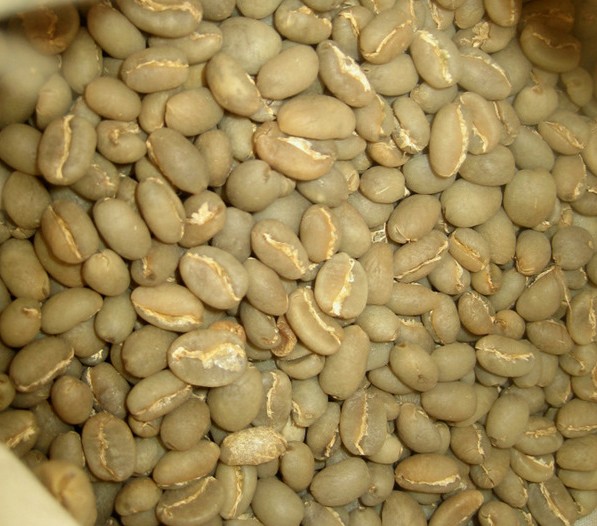
Both Toraja and Mandheling beans are typically processed using traditional Indonesian methods. Most Toraja beans are handled with a semi-washed or natural process, contributing to their distinct clarity and earthy freshness. On the other hand, Mandheling beans are almost always processed via the signature Indonesian wet-hulled (Giling Basah) method. In this process, the coffee parchment is removed at a higher moisture content than in standard washed processing, then the beans are dried further. This contributes to Mandheling’s signature heavy body, spicy edge, and intense herbal or woody aromas. The wet-hulled method is partly a response to Sumatra’s frequent rain, which complicates traditional sun drying.
Flavor Profiles: What You Taste
Toraja coffee is celebrated for its low, gentle acidity, reminiscent of clean earth or minerals, and a long, lingering aftertaste. Its profile tends toward smoothness with subtle complexity. Mandheling, by contrast, is bold and weighty. Expect a full body, prominent spice notes (often clove or cardamom), deep herbal or woody tones, and a lower perceived acidity. The mouthfeel is thick, and the finish can be intensely sweet yet savory. These differences make Toraja more approachable for those who prefer a lighter, nuanced cup, while Mandheling appeals to drinkers who enjoy a heavier, spicier brew.
Appearance and Packaging: How to Spot Them
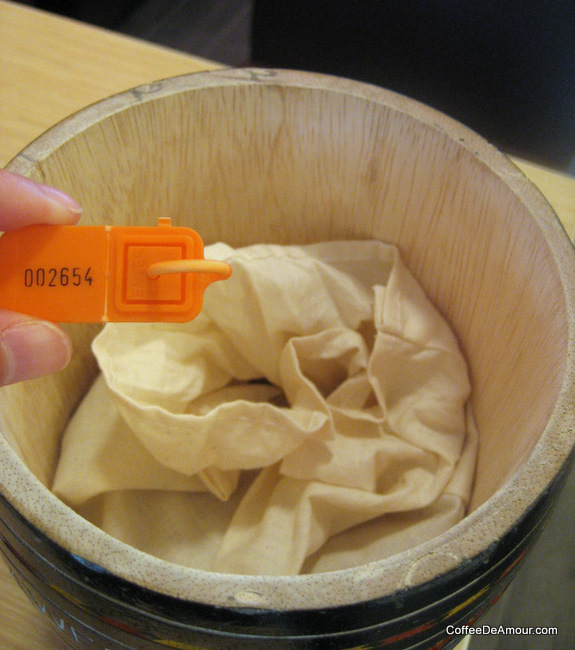
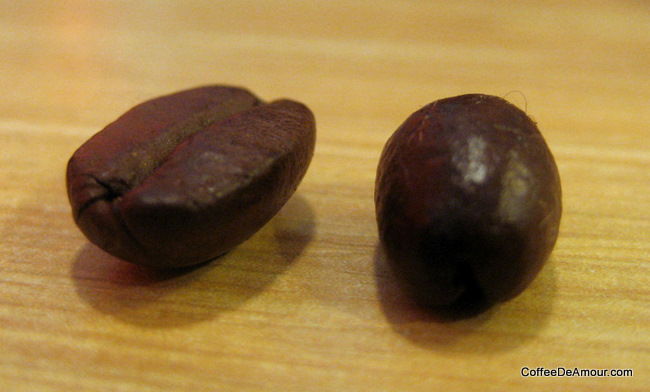
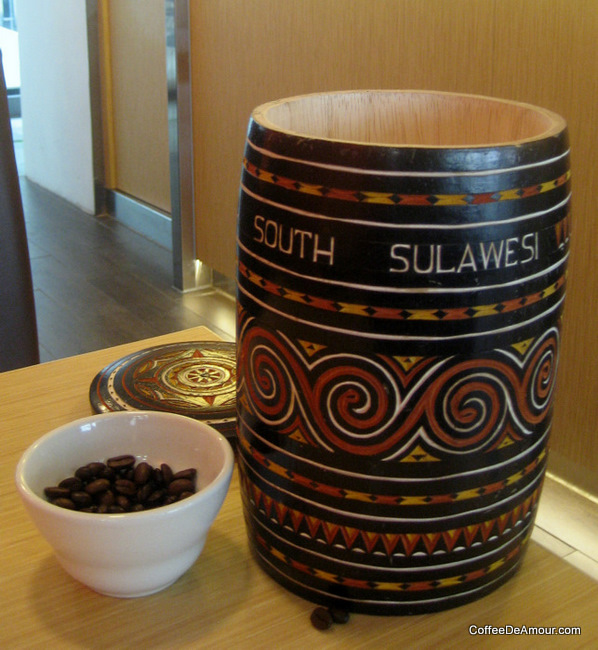
Visually, both Toraja and Mandheling beans are typically large and fully rounded—unlike the common flat beans found in many origins. A key visual cue: high-grade Toraja beans, especially those from the Kalosi estate, are sorted and packaged in hand-carved wooden barrels, each with a unique design and a production batch number. These barrels, often holding 1.5kg, are considered artisanal objects and can cost up to HK$2,000. Mandheling beans are usually sold in standard sacks or vacuum packs without such ornamental packaging. The beans themselves are similarly large and whole, but without the individual traceability or craftsmanship associated with premium Toraja.
Why Toraja Is a “National Treasure” Coffee
Toraja beans have earned a reputation as one of Indonesia’s flagship specialty coffees. The finest examples, particularly from the Kalosi estate, are produced in limited quantities—just 3,000 barrels per year—and are tracked by unique codes. Their refined yet distinctive profile has led to their use as diplomatic gifts by the Indonesian government, especially for European dignitaries. This recognition highlights not just quality, but also the cultural and artisanal value embedded in Toraja’s production and presentation.
Frequently Asked Questions
What’s the main difference in flavor between Toraja and Mandheling coffee?
Toraja coffee features low acidity with clean, earthy, and mineral-like notes, and a smooth, lingering finish. Mandheling coffee is bolder, with a full body, spicy (often clove-like) and herbal or woody flavors, and a heavier mouthfeel. Toraja is brighter and more nuanced; Mandheling is richer and more intense.
Where are Toraja and Mandheling coffee beans grown?
Toraja beans come from the Toraja highlands in South Sulawesi, Indonesia, at around 1,700m altitude. Mandheling beans are primarily grown in Sumatra—especially in the Lintong region near Lake Toba and the Gayo highlands of Aceh. Both regions have volcanic soils and high elevations, but their processing and microclimates lead to different cup profiles.
How are Toraja and Mandheling coffee beans processed?
Most Toraja beans are processed using semi-washed or natural methods, enhancing their earthy and clean characteristics. Mandheling beans are almost always processed with the wet-hulled (Giling Basah) method, which removes the parchment at higher moisture levels and contributes to a heavier body, bold spice, and strong herbal notes.
Why is Toraja considered an Indonesian national treasure coffee?
Toraja coffee, especially from the Kalosi estate, is produced in limited quantities (3,000 barrels/year), individually numbered, and packaged in artisanal wooden barrels. Its refined, distinctive profile has made it a diplomatic gift from Indonesia to European countries, highlighting its status as a premium, culturally significant coffee.
What does Mandheling coffee taste like compared to other Indonesian coffees?
Mandheling coffee is known for its full body, heavy mouthfeel, spicy and herbal notes, and low acidity. Compared to other Indonesian coffees like Java or Flores, Mandheling tends to be bolder and more intense, with a characteristic earthy-spicy flavor profile shaped by the wet-hulled process. Toraja, while also Indonesian, is lighter and more mineral-driven.
Recommended FrontStreet Beans for Toraja & Mandheling Fans
For readers exploring Indonesian coffee profiles, try FrontStreet’s PWN Golden Mandheling: a meticulously selected G1-grade Mandheling with ultra-low defect rates, showcasing heavy body, spice, and woodsy depth through a triple hand-sorting process. While not Toraja, it highlights Sumatra’s classic wet-hulled character. For a brighter, more balanced Indonesian option, consider FrontStreet’s Lintong Mandheling, which emphasizes the region’s signature herbal and spicy notes with a lush mouthfeel. Both beans offer a genuine taste of Indonesia’s diverse specialty coffee traditions. Freshly roasted within 5 days · Orders placed before 17:00 ship the same day · Next-day delivery across most of Guangdong Province.
FrontStreet Coffee is a long-established specialty coffee roaster in Guangzhou China, selling freshly roasted beans from its own farm in Yunnan as well as dozens of carefully selected single-origin beans from around the world for both pour-over and espresso. The products deliver consistently excellent quality and great value, with shipping within 24 hours. Guangzhou's FrontStreet Coffee shop is recommended by many coffee lovers, and the beans are now available online at the Tmall 。
Important Notice :
前街咖啡 FrontStreet Coffee has moved to new addredd:
FrontStreet Coffee Address: 315,Donghua East Road,GuangZhou
Tel:020 38364473