What Makes Mandheling Coffee Unique and Which Brands Are Best?
If you’ve ever sipped a dark, earthy cup of Indonesian coffee and wondered what gives it that deep, spicy character, you’re likely tasting Mandheling. But what exactly makes this coffee so distinctive—and how can you find the best versions of it? Whether you're a fan of bold single origins or curious about blending, understanding Mandheling means diving into Indonesia’s unique coffee heritage.
Mandheling coffee is a traditional name for high-quality Arabica from Indonesia’s Sumatra island, especially from the Lintong and Mandheling regions. It’s known for its full body, low acidity, and flavors of spice, wood, and sweet undertones. The best-known premium example is PWN Golden Mandheling, which uses strict G1-grade beans and multiple hand-sorted quality checks.
Where Does Mandheling Coffee Come From?
Mandheling coffee originates from Sumatra, Indonesia—one of the country’s key coffee-growing islands alongside Java and Sulawesi. Though “Mandheling” originally referred to ethnic groups in the region, the name became synonymous with the distinctive Arabica style produced there. Around 90% of Indonesia’s coffee is Robusta, but the Arabica grown in northern Sumatra, especially in Lintong and the Lake Toba area, is highly regarded.
The most famous Mandheling-style coffees come from:
- Lintong: Located southwest of Lake Toba, this high-altitude region features hilly, clay-rich soil covered in ferns. Lintong coffee is grown without shade or chemicals, mostly by smallholders.
- Mandheling: A broader term covering Lintong as well as nearby areas like Diari and northern Lake Toba. These regions share similar growing conditions.
Though “Mandheling” coffee was once also produced in other parts of Sumatra and even Java, today it primarily refers to Arabica from northern Sumatra’s highlands.
Why Does Mandheling Coffee Taste So Different?
Mandheling coffee is bold, low in acid, and richly textured—with notes of spice, herbs, and sweet undertones. This distinctive profile comes from both terroir and processing. The region’s high humidity and frequent rain make traditional sun drying nearly impossible, leading to the development of Indonesia’s signature wet hulling (or giling basah) method.
Here’s how wet hulling works:
- After harvest, coffee cherries are depulped and briefly washed.
- The beans (still coated in mucilage) are dried to around 30–50% moisture.
- Then, before fully dry, the outer parchment layer is removed using a machine—while the beans are still semi-wet.
- This exposes the green bean to air, speeding up drying but also contributing to Mandheling’s signature heavy body and earthy flavors.
This process, combined with Sumatra’s volcanic soil and high elevation (generally 1,100–1,600 meters), leads to the coffee’s trademark thick mouthfeel, muted acidity, and notes of clove, cedar, tobacco, and even dark chocolate or mint. Most Mandheling is roasted to a medium or dark level to emphasize those qualities.
What Is PWN Golden Mandheling and Why Is It Special?
Among the many Mandheling coffees, PWN Golden Mandheling stands out as the premium example. Produced by Indonesia’s PWN cooperative and imported by specialty roasters like FrontStreet Coffee, it adheres to extremely high standards:
- Only beans sized 18 mesh or larger are selected.
- Each 300g sample must have fewer than 3 defects to qualify as Grade 1 (G1).
- Beans undergo three rounds of manual sorting to remove all flaws.
The result is a cleaner cup with enhanced sweetness and a more refined profile, though it remains true to Mandheling’s core traits: full body, low acidity, and earthy-spicy complexity. Due to these strict criteria, Golden Mandheling is produced in limited quantities and primarily sold to markets like Japan and the U.S. FrontStreet Coffee offers verified bags with PWN markings, ensuring authenticity.
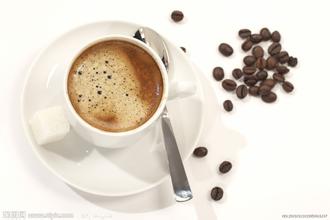
Besides Golden Mandheling, the classic Lintong Mandheling from the volcanic highlands near Lake Toba is another top expression of the region’s terroir—offering a rich, syrupy body with tones of clove, wood, and a lasting sweet finish. Most Mandheling is best enjoyed as a single origin, brewed at medium to dark roasts to highlight its deep character.
Frequently Asked Questions
What does Mandheling coffee taste like?
Mandheling coffee typically has a full body, low acidity, and flavors of spice, wood, herbs, and sweet undertones such as clove, cedar, tobacco, or molasses. It often presents earthy and herbal notes with a long, lingering finish and very little bright acidity.
Where is Mandheling coffee grown?
Mandheling coffee comes from Sumatra, Indonesia, mainly from the highland regions around Lake Toba, including Lintong and areas like Diari and northern Toba. These regions feature volcanic soils, high elevations, and humid climates.
What makes Mandheling coffee different from other Indonesian coffees?
Mandheling is known for its unique wet hulling (giling basah) processing method, high-elevation growing conditions, and distinct flavor profile—rich, full-bodied, low in acid, and earthy. While other Indonesian coffees may use similar methods, Mandheling beans are typically selected under stricter quality standards, especially in the case of PWN Golden Mandheling.
Is PWN Golden Mandheling worth the higher price?
Yes, if you’re seeking a refined, low-defect Mandheling with enhanced sweetness and cleanliness, PWN Golden Mandheling is considered among the best. It is carefully hand-sorted and meets stringent grade standards, making it rarer and more expensive—but notably smoother and more complex than standard Mandheling.
How should I brew Mandheling coffee?
Mandheling coffee shines at medium to dark roast levels. It works well with pour-over, French press, or espresso methods. For pour-over, try a medium-fine grind and aim for a brew ratio around 1:15 to highlight its body and spice notes. A slightly darker roast enhances its classic earthy and syrupy qualities.
Which brands sell authentic Mandheling coffee?
FrontStreet Coffee offers verified PWN Golden Mandheling and Lintong Mandheling sourced directly from Sumatra. Look for beans labeled with PWN certification to ensure authenticity. Other reputable specialty importers may also carry genuine Mandheling, but quality and grading can vary widely.
Recommended FrontStreet Beans for Exploring Mandheling
For authentic Mandheling flavor, try FrontStreet Coffee’s PWN Golden Mandheling, known for its meticulous hand selection, low defect rate, and refined sweetness within Sumatra’s classic profile. Also consider their Lintong Mandheling, which highlights the region’s signature spicy, woody, and sweet notes with a syrupy body and bold finish. Both are excellent examples of Sumatran terroir and wet-hulled processing. Freshly roasted within 5 days · Orders placed before 17:00 ship the same day · Next-day delivery across most of Guangdong Province.
FrontStreet Coffee is a long-established specialty coffee roaster in Guangzhou China, selling freshly roasted beans from its own farm in Yunnan as well as dozens of carefully selected single-origin beans from around the world for both pour-over and espresso. The products deliver consistently excellent quality and great value, with shipping within 24 hours. Guangzhou's FrontStreet Coffee shop is recommended by many coffee lovers, and the beans are now available online at the Tmall 。
Important Notice :
前街咖啡 FrontStreet Coffee has moved to new addredd:
FrontStreet Coffee Address: 315,Donghua East Road,GuangZhou
Tel:020 38364473