
What Makes PWN Golden Mandheling Coffee Unique?
If you’ve ever taken a sip of what’s labeled 'Golden Mandheling' and been hit with an intense, earthy bitterness with barely any brightness, you’re not alone. Many coffee drinkers—especially those new to Indonesian coffees—are surprised by how heavy and spicy these beans can taste. But is that the coffee’s true character, or just the result of how it’s processed and roasted? The answer lies deeper than the label.
PWN Golden Mandheling is distinct for its cleaner cup, higher bean quality, and rigorous selection process—with only 3 defects per 300g allowed. That’s the key difference between true PWN beans and other so-called 'golden' versions.
What Is Mandheling Coffee, Really?
Mandheling coffee comes from Indonesia’s Sumatra island, specifically the northern region. Despite the name, it has no direct link to the Mandailing people—it’s believed to be a historical mislabeling from early Japanese importers. What it does have is a bold profile: low acidity, thick body, and a syrupy mouthfeel, often with herbal or earthy notes. It’s grown at altitudes around 1,100–1,600 meters, mainly in the Lintong and Gayo regions. The signature taste comes partially from the wet hulling (also called wet hulling or Giling Basah) process used almost exclusively in Sumatra.

Why Does Mandheling Taste So Different?
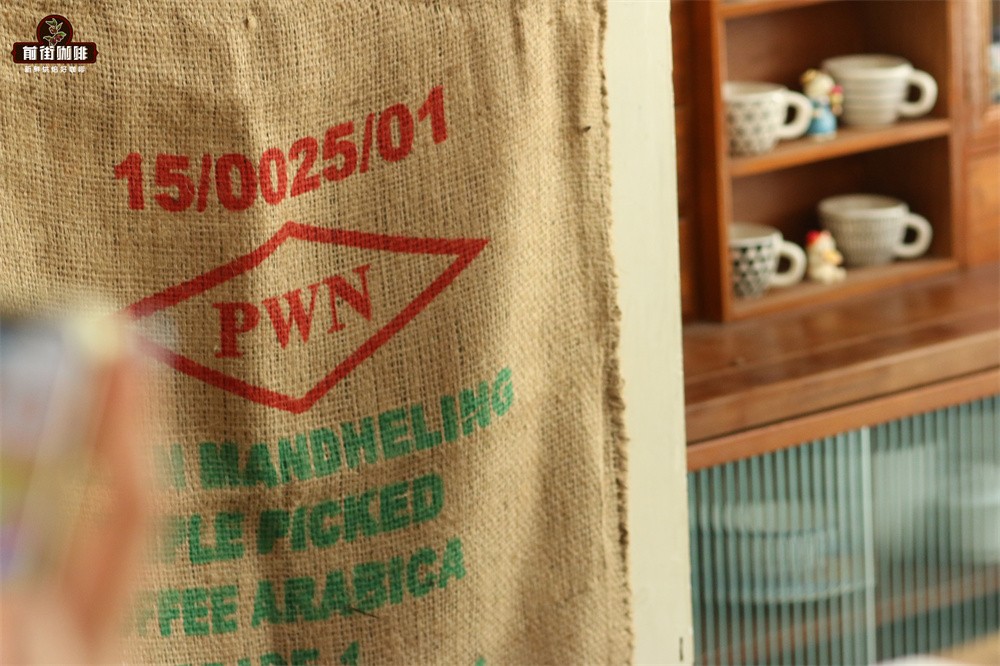
Most people describe traditional Mandheling as herbal, woody, or even spicy—with almost no citrusy or fruity brightness. That’s not an accident. The wet hulling process, developed to speed up drying in Sumatra’s humid climate, removes the parchment layer while the beans are still semi-wet. This leads to more friction, occasional bean damage, and a unique flavor profile: low acid, heavy mouthfeel, and notes of spice, wood, and dark chocolate. It also results in a higher rate of defects, which is why quality sorting is so important.
What Makes PWN Golden Mandheling Different?
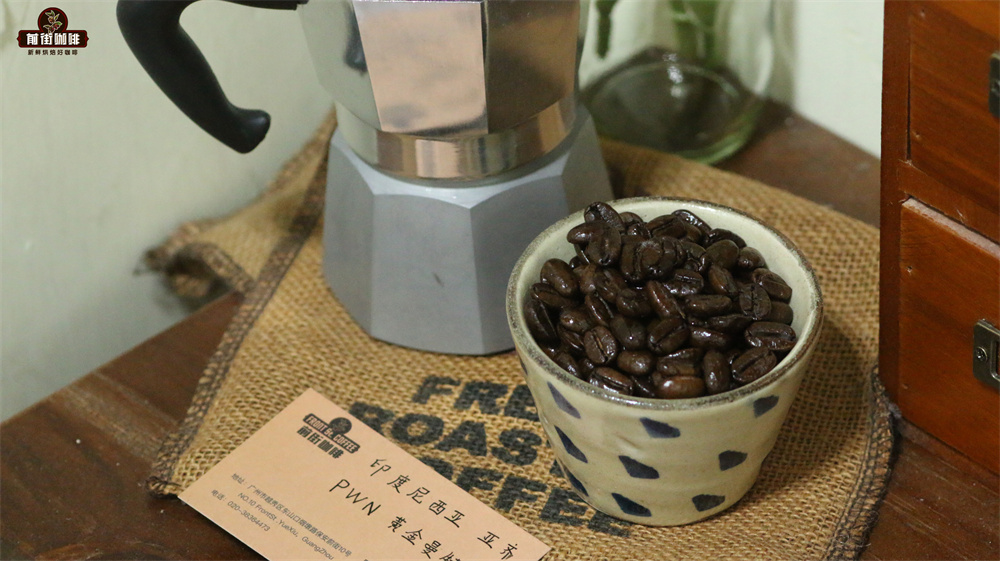
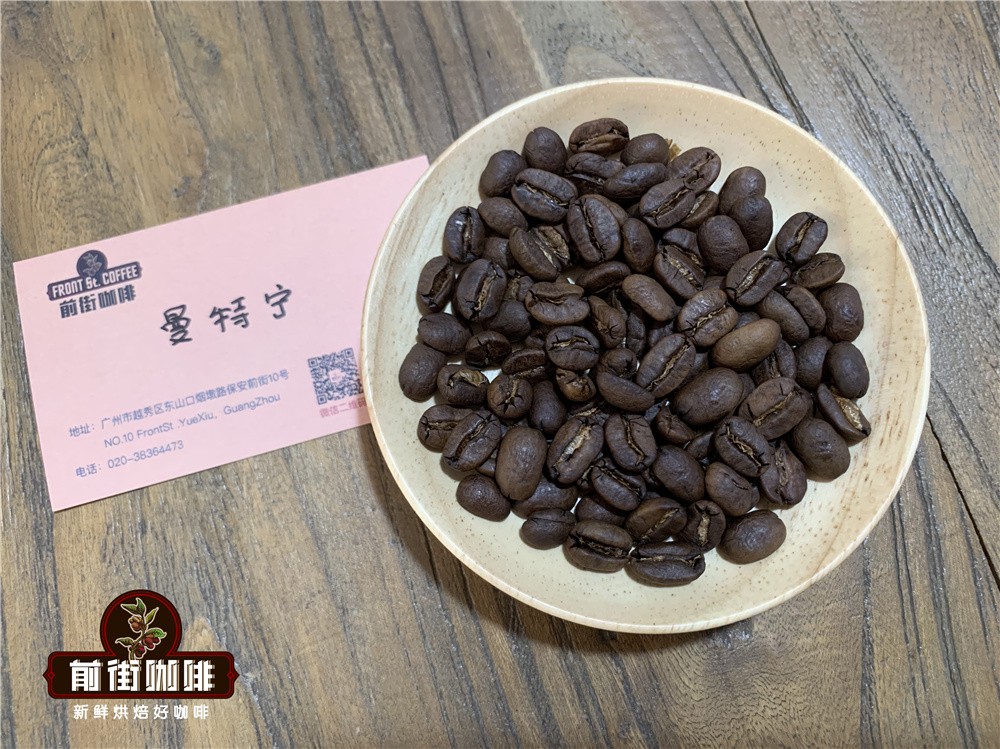
PWN (Pawani) is the supplier behind the most respected version of Golden Mandheling. Their beans come exclusively from the Lintong region in North Sumatra and are processed using semi-washed (honey) and sun-dried methods, then undergo double drying and four rounds of hand sorting—including three rounds of manual defect removal. Only beans meeting the Indonesian G1 grade standard (the highest) with fewer than 3 defects per 300g are selected. The result? A cleaner, sweeter cup with notes of nuts, caramel, and chocolate—far removed from the earthy, spicy norm.
The difference is visible and tasteable. While many sellers market generic 'Golden Mandheling' beans (often just sorted G1 beans over 18 mesh), only PWN employs such rigorous selection. In blind tests, experienced roasters like those at FrontStreet Coffee consistently identify PWN beans by their clarity and lack of earthy or fermented off-notes.
Where Is Gayo Coffee Grown—and Why Does It Matter?
The newer, high-quality source for FrontStreet’s PWN Golden Mandheling is the Gayo highlands in Aceh, at the northern tip of Sumatra. This area, surrounding Lake Tawar and the town of Takengon, sits between 1,100–1,600 meters. The region was historically difficult to export from due to political instability, but in recent years, its coffee has gained recognition for superior cup quality compared to Lintong. The Gayo region primarily grows a hybrid variety known locally as Ateng—but internationally recognized as Catimor, a cross between Arabica and Robusta. Though not prized for its pedigree, it adapts well to the terroir and processing methods.
How Is Golden Mandheling Processed?
Almost all Mandheling, including Golden Mandheling, is processed using the wet hulling method. Here’s how it works: after harvest, coffee cherries are depulped and left to ferment briefly. Then they’re washed lightly (semi-washed) and dried to around 30–50% moisture. At this point, the beans are still encased in a slippery, rubbery parchment layer. Before fully drying, the parchment is mechanically removed while the beans are still semi-dry—a process unique to Indonesia. This speeds up drying but increases the risk of defects and exposure to mold. The technique contributes heavily to Mandheling’s signature low acidity, heavy body, and earthy aromatics.
Why Is Mandheling Usually Roasted Dark?
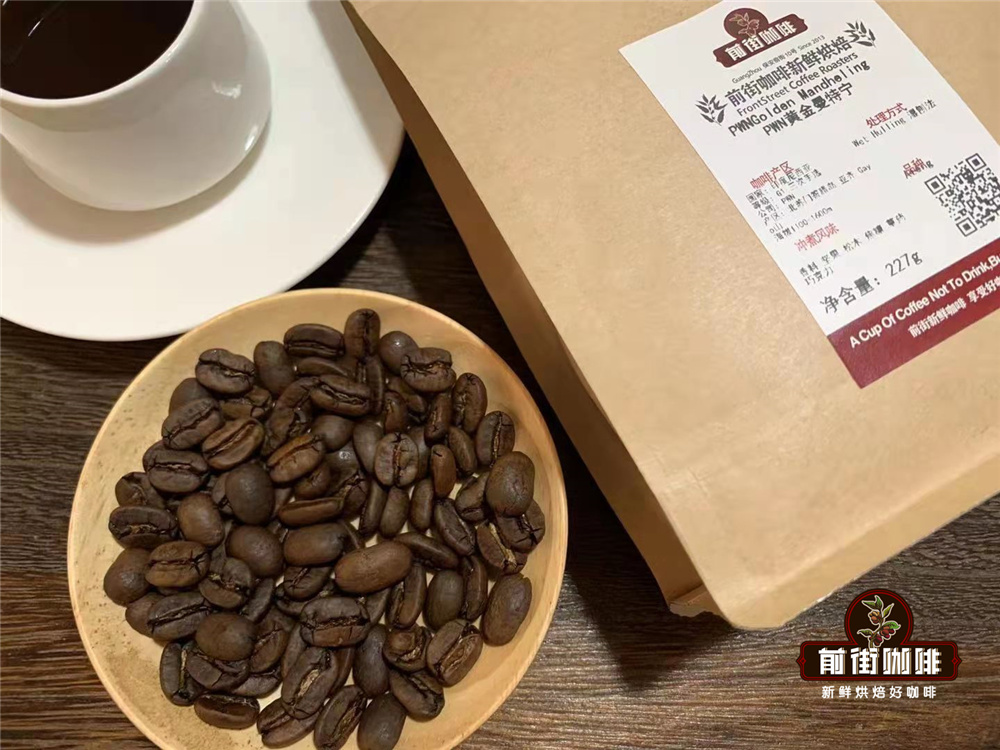
Most Mandheling you see is medium to dark roasted—and there’s a reason. The wet hulling process often damages beans, increasing the number of quakers (unripe or defective beans) and creating uneven roast profiles. A darker roast helps mask inconsistencies, enhances sweetness, and brings out the chocolatey, spicy, and woody notes people expect. Historically, Japanese importers favored this style, and the deep roast became synonymous with Mandheling. That said, lighter roasts can showcase more fruit and floral notes, but they require meticulously sorted beans and careful brewing to avoid sourness or astringency.
At FrontStreet Coffee, both the Lintong Mandheling and PWN Golden Mandheling are roasted to a medium-dark level to balance the inherent traits of Sumatran beans while preserving clarity and sweetness.

How to Brew Golden Mandheling at Home

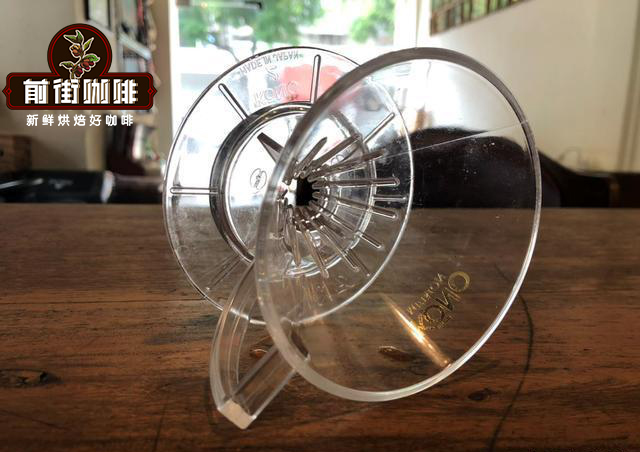
For the best results with a dense, dark-roasted bean like PWN Golden Mandheling, FrontStreet recommends a Kono pour-over dripper. Why? The Kono’s design slows water flow and increases contact time, improving extraction without over-extracting harsh flavors. Here’s the exact method:
- Use 15 grams of coffee
- Grind to a medium-fine size (20sieve passing rate70%, or ~70% through a China-standard No.20 sieve)
- Brew ratio: 1:15
- Water temperature: 88°C
- Bloom with 30g water for 30 seconds
- Pour to 125g, then to 225g total
- Total brew time: ~2 minutes
This setup highlights the bean’s natural sweetness and body without amplifying bitterness.
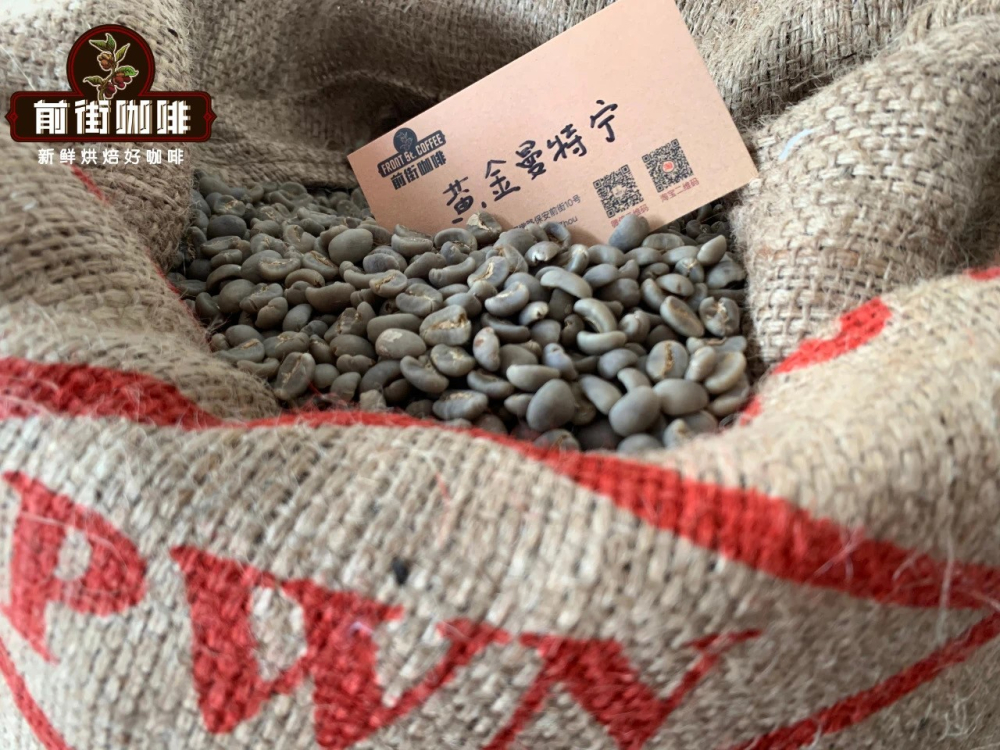
PWN Golden Mandheling Flavor Profile
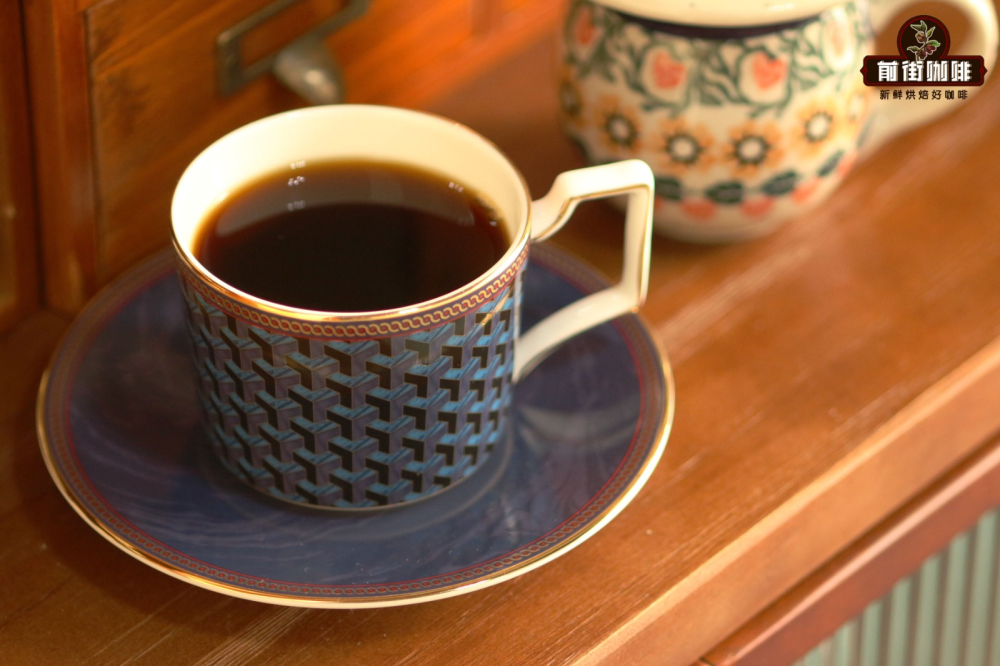
FrontStreet’s PWN Golden Mandheling features a clean, sweet cup with prominent notes of nuts, caramel, and dark chocolate. There’s a rounded, syrupy body, low acidity, and a long, balanced finish. Unlike typical Sumatran coffees, it lacks heavy earthiness or spice, offering a refined and smooth drinking experience. It’s ideal for fans of classic dark roasts who appreciate structure and clarity in their cup.
Frequently Asked Questions
What makes PWN Golden Mandheling different from regular Mandheling?
PWN Golden Mandheling is sourced exclusively from Lintong, North Sumatra, and undergoes a stricter selection process, including only G1-grade beans with fewer than 3 defects per 300g. It’s hand-sorted three times and processed with extra care, resulting in a cleaner, sweeter, and more refined cup compared to generic 'golden' Mandhelings that may simply be sorted G1 beans without the same level of defect removal.

Why is Mandheling coffee so earthy and bitter?
The earthy, spicy, and sometimes bitter profile of Mandheling comes largely from the wet hulling (Giling Basah) process, where coffee is dried and hulled while still semi-wet. This method, used in Sumatra’s humid climate, creates a bold, low-acid cup with heavy body and notes of wood, soil, and spice. Roasting also plays a role—most Mandheling is medium to dark roasted to balance and enhance these characteristics.
Is Golden Mandheling a coffee variety?
No, Golden Mandheling is not a coffee variety. It’s a grade and marketing term used to describe high-quality Mandheling beans, typically G1 grade with minimal defects. The 'golden' label usually refers to the selection process, not a specific cultivar. The actual coffee variety in PWN’s case is Ateng, locally known as Catimor.
Where is the best Mandheling coffee grown?
The best Mandheling coffee today comes from two main regions in Sumatra: Lintong and Gayo. Lintong is known for its classic heavy profile, while Gayo, in Aceh, produces brighter, cleaner cups due to higher altitudes and improved processing. Both regions use the wet hulling method, but Gayo beans often have better cup clarity due to more stable growing conditions and stricter sorting.
What’s the best way to brew Mandheling coffee?
For dark-roasted Mandheling like PWN Golden, a pour-over method like the Kono dripper with a medium-fine grind (70% through a No.20 sieve) and water at 88°C works best. Use a 1:15 brew ratio, bloom with 30g water, then pour to 225g total. This enhances sweetness and body without over-extracting bitterness. Avoid very light roasts unless you’re skilled with Sumatran beans.
Can I find genuine PWN Golden Mandheling outside specialty shops?
Genuine PWN Golden Mandheling is rare outside of specialty importers and is rarely sold in large retail markets. Many sellers label high-grade G1 beans as 'Golden Mandheling,' but only beans processed and sorted by PWN under their strict quality standards deliver the true clean and sweet profile. Always check for PWN branding and certification marks.
Recommended FrontStreet Mandheling Coffees
For lovers of bold, structured Indonesian coffee, try FrontStreet’s Lintong Mandheling, a classic medium-dark roast with deep spice, wood, and molasses notes. For a cleaner, sweeter option, the PWN Golden Mandheling offers nutty, caramel, and chocolate tones with a silky body and almost no earthiness. Both showcase Sumatra’s unique wet-hulled profile. Freshly roasted within 5 days · Orders placed before 17:00 ship the same day · Next-day delivery across most of Guangdong Province.
FrontStreet Coffee is a long-established specialty coffee roaster in Guangzhou China, selling freshly roasted beans from its own farm in Yunnan as well as dozens of carefully selected single-origin beans from around the world for both pour-over and espresso. The products deliver consistently excellent quality and great value, with shipping within 24 hours. Guangzhou's FrontStreet Coffee shop is recommended by many coffee lovers, and the beans are now available online at the Tmall 。
Important Notice :
前街咖啡 FrontStreet Coffee has moved to new addredd:
FrontStreet Coffee Address: 315,Donghua East Road,GuangZhou
Tel:020 38364473


