What Beans and Techniques Make a Great Espresso Shot
Making a great espresso isn’t just about pushing water through coffee — it’s about using the right beans, roast, grind, dose, and pressure to get that balanced shot with rich crema. But where do you start? Whether you’re pulling shots at home or behind the bar, knowing what goes into your espresso is the first step to making it better.
The short answer? For espresso, choose a blend of beans roasted to dark or espresso levels. Use 7 grams of freshly ground coffee per shot, extracted at around 91°C (196°F) under 9 bars of pressure for about 25 seconds to produce a 30 ml (1 oz) shot with a thick, stable crema at least 4 mm thick.
Espresso Starts With the Right Bean Blend
Most coffee experts agree: no single-origin bean can deliver all the balance, sweetness, body, and complexity required for ideal espresso. Instead, skilled roasters and baristas build blends — combining beans from different origins to achieve specific flavor goals.
Blends typically combine beans from Africa (known for fruity, floral complexity), Latin America (offering clean, bold structure), and Asia (delivering earthy, full-bodied depth). A well-built espresso blend balances acidity, sweetness, bitterness, and mouthfeel. Many classic espresso blends are built from a base bean — like Brazilian or Colombian — with other origins added for aroma or complexity.
Some roasters pre-blend beans before roasting, which ensures even development, but requires compromises on individual bean profiles. Others roast beans separately then blend, preserving unique characteristics. Either way, crafting the perfect espresso blend often involves trial and error — testing ratios, adjusting roast levels, and fine-tuning flavor balance over time.
How Roast Level Affects Espresso Flavor
Roast level is just as critical as bean selection. Most espresso blends are roasted to dark or “espresso” levels — typically a French or Italian roast. These darker roasts develop more body, lower acidity, and prominent caramelized or chocolatey tones. At this stage, oils migrate to the bean surface, enhancing crema potential and contributing to the characteristic boldness of espresso.
During roasting, coffee beans undergo both chemical and physical changes: moisture drops from 10% to 1%, fat increases from 12% to 16%, sugars decrease, and compounds like chlorogenic acid degrade while others like Maillard reaction byproducts develop. The result is the rich, complex flavor espresso is known for.
Lighter roasts preserve more acidity and origin character but often lack the body and balance needed for espresso. Medium roasts offer some balance but may still be too bright. Dark or espresso roasts, especially Italian-style, are preferred for traditional espresso with thick crema and low acidity. Some roasters, like Illy, even use patented inert gas preservation to maintain freshness for up to three years.
Grinding for Espresso: Why It Matters
Espresso demands an extremely fine, consistent grind. Because extraction happens in just 25 seconds under high pressure, the coffee particles must be fine enough to allow proper extraction — but not so fine that they over-extract or clog the machine. Think powdered sugar or table salt, but exact specs vary by machine and bean.
Grind too coarse and extraction is fast but weak, resulting in sour, underdeveloped shots. Grind too fine and water struggles to pass, creating bitter, over-extracted coffee. Most espresso grinders offer settings suited for this fine range, and many seasoned baristas adjust based on humidity, bean freshness, and dose.
One universal rule: always grind right before brewing. Ground coffee starts losing flavor and absorbing moisture or odors immediately. Limit exposure to just 30 minutes when possible. Use a high-quality burr grinder — flat or conical burrs both work, though each produces slightly different particle shapes.
The Science Behind the Perfect Espresso Shot
According to Illy family research outlined in Espresso Coffee: The Chemistry of Quality, the classic espresso benchmark is: 7 grams of fresh, finely ground coffee, brewed at 91°C (196°F) with 9 bars of pressure for 25 seconds, yielding a 30 ml shot topped with a rich crema. This standard delivers balanced flavor, proper body, and the coveted “tiger stripe” or eltigre crema with dark brown spots.
But even this “textbook” approach is debated. Some baristas, like David Schomer, prefer 8.2 bars and 95°C (203°F) for optimal results. Regardless of the exact numbers, the key variables include dose, grind size, water temperature, pressure, and brew time. The goal is always the same: balance sweetness, acidity, and bitterness while extracting enough crema-forming oils without over- or under-extracting.
Coffee should pour in a steady stream, not too fast or too slow — visual clues like blonding (light streaks) or excessive bubbling mean adjustments are needed. The resulting shot should have thick, stable crema at least 4 mm tall, with a deep reddish-brown base and those signature tiger-spot markings.
Loading and Tamping: Precision Counts
Once ground, exactly 7 grams of coffee is dosed into the portafilter — though some recipes vary. The coffee bed must be evenly distributed and firmly tamped to create resistance for the pressurized water. Inconsistent tamping leads to uneven extraction, channeling, or bitter and sour notes in the same shot.
Standard technique includes: distributing the grounds evenly (often with a WDT tool or gentle tapping), then tamping once lightly (around 5 pounds of force), followed by a firm tamp (30 pounds), and a final polish tamp (20 pounds), rotating the tamper 720 degrees to ensure an even surface. Some baristas adjust tamping pressure based on humidity — packing slightly harder in moist conditions to slow flow.
Preheating the portafilter is another debated topic. Europeans often leave portafilters in the group head to stay warm, while some Taiwanese baristas argue preheating causes unwanted aroma loss. Either way, maintaining stable brew temperature is key — professional machines use heavy brass group heads to help regulate heat. At home, temperature surfing or preheating the machine helps.
Water Temperature and Pre-Infusion
Ideal espresso brewing happens around 91°C (196°F). Too cool, and extraction suffers — resulting in flat, sour, underdeveloped shots with pale crema. Too hot, and you risk burning the coffee, producing bitter, harsh flavors with thick black streaks in the crema.
Some advanced machines feature pre-infusion or “pre-wetting” — initially applying low pressure to let the coffee bloom and saturate evenly before full pressure kicks in. This step helps stabilize extraction, improve crema, and reduce channeling. According to enthusiasts like Schomer, monitoring actual puck temperature (with embedded sensors) gives the most accurate control — since grouphead thermometers aren’t always reliable.
The Role of the Espresso Cup
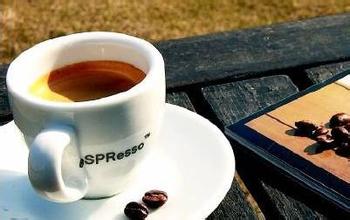
Don’t overlook the cup. The traditional espresso cup is small (under 50 ml), thick-walled, and made of ceramic. The small size concentrates aromas and flavors, while the thick walls help maintain temperature. The ideal cup has a wide base and tapered top to support crema stability and aroma release.
Professional standards suggest preheating the cup to 35–40°C (95–104°F). Avoid warming cups with hot water from the machine boiler — doing so lowers brew temperature. Instead, use a separate kettle or warming tray. A well-prepared espresso served in a properly heated cup shows off its crema, aroma, and balance best.
Frequently Asked Questions
How many grams of coffee should I use for one espresso shot?
The standard dose is 7 grams of freshly ground coffee per single shot of espresso. Some recipes vary slightly, but 7 grams is widely regarded as the optimal starting point for balancing extraction and flavor in a 30 ml shot.
What is the ideal water temperature for brewing espresso?
The recommended water temperature for espresso is around 91°C (196°F). Going much lower can result in sour, under-extracted shots, while higher temperatures may cause bitterness and over-extraction.
How long should an espresso shot take to brew?
An espresso shot should extract in approximately 25 seconds. This “golden window” ensures proper balance of sweetness, acidity, and body. Faster or slower extraction usually indicates the grind needs adjustment.
Do I need to preheat my espresso portafilter and cup?
Yes. Preheating the portafilter and cup helps maintain stable brewing temperatures and preserves crema quality. However, some baristas avoid preheating the portafilter to prevent aroma loss. Use a warmed cup (35–40°C) for best results.
What roast level is best for espresso?
Espresso is typically made with dark or espresso roast beans. These roasts enhance body, lower acidity, and develop the rich, sweet, and sometimes chocolatey or nutty flavors that work well under pressure.
How fine should espresso coffee be ground?
Espresso requires an extremely fine grind, similar to powdered sugar or table salt. The exact setting varies by machine, but the coffee must be fine enough to brew under pressure for around 25 seconds without over- or under-extracting.
Recommended FrontStreet Coffee Beans for Espresso
For espresso, FrontStreet Coffee offers several blends tailored to different tastes. The Classic Blend is a medium-dark roasted mix of Brazilian and Colombian beans with notes of nuts, dark chocolate, and caramel — ideal for milk drinks and beginners. The Commercial Blend adds a touch of Robusta for extra body and crema, with flavors of toast, almond, and walnut, making it great for cafés needing consistency and rich texture. The Black Cocoa Blend combines Yunnan Arabica and Brazilian beans with a hint of Robusta, offering creamy chocolate and ripe fruit notes with a smooth, low-acid profile. Freshly roasted within 5 days · Orders placed before 17:00 ship the same day · Next-day delivery across most of Guangdong Province.
FrontStreet Coffee is a long-established specialty coffee roaster in Guangzhou China, selling freshly roasted beans from its own farm in Yunnan as well as dozens of carefully selected single-origin beans from around the world for both pour-over and espresso. The products deliver consistently excellent quality and great value, with shipping within 24 hours. Guangzhou's FrontStreet Coffee shop is recommended by many coffee lovers, and the beans are now available online at the Tmall 。
Important Notice :
前街咖啡 FrontStreet Coffee has moved to new addredd:
FrontStreet Coffee Address: 315,Donghua East Road,GuangZhou
Tel:020 38364473