Espresso vs Ristretto: What's the Difference in Coffee?
You’re at a café, and someone orders a ‘Double Ristretto.’ Are they speaking another language—or just trying to sound cool? What even is a Ristretto, and how does it compare to a regular Espresso? If you’ve ever wondered why some baristas treat these two Italian-style coffees like they’re entirely different drinks, you’re not alone.
In short: Espresso is a 30ml shot brewed in around 30 seconds; Ristretto is a more concentrated 15ml shot brewed in just 15 seconds. A Double Ristretto is two Ristrettos pulled together for a total of 30ml in 15 seconds. That small change in time and volume creates big differences in flavor.
What Is Espresso?
Espresso is the foundation of most coffee drinks you know—cappuccinos, lattes, flat whites, and more. It’s made by forcing hot water through finely-ground coffee under high pressure for about 30 seconds, producing roughly 30ml (1 ounce) of concentrated coffee. This method creates a rich, bold shot with a thick layer of crema on top.
For many coffee cultures—especially in Australia and New Zealand—Espresso is the base of the beloved Flat White. In Italy, it’s a daily ritual, often drunk quickly and without milk. The word 'Espresso' means 'pressed out' in Italian, reflecting both the method and the speed of service. Traditionally, early espresso machines could brew only one shot at a time, which is part of why it carries such an individualistic reputation.
Most Espressos are around 30ml and extracted in 30 seconds. That balance of time, pressure, and volume defines the classic profile: intense, slightly acidic, and full of body.
What Is Ristretto?
Ristretto, Italian for 'restricted,' is a more condensed version of Espresso. While an Espresso uses the full 30ml extraction over 30 seconds, a Ristretto is pulled for only the first half of that water—about 15ml in 15 seconds. That shorter extraction window means less water passes through the coffee grounds, resulting in a smaller, more intense shot.
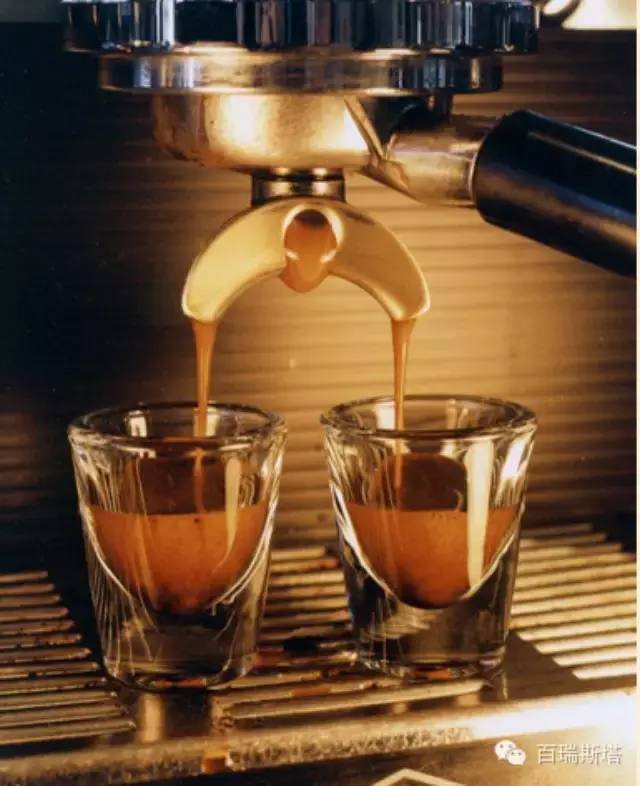
Because most espresso machines have a double spout, baristas often pull a Double Ristretto: two streams running simultaneously to yield 30ml in the same 15-second window. That creates a more balanced and smoother 30ml shot compared to a single 15ml Ristretto, which can taste too intense for some.
The image of a double Ristretto being pulled from both spouts in just 15 seconds shows how this style maximizes flavor intensity while controlling volume.

Espresso vs Ristretto: Key Differences
Here’s how Espresso and Ristretto stack up in the key categories that affect taste and texture:
- Extraction Time: Espresso = 30 seconds; Ristretto = 15 seconds
- Volume: Espresso = 30ml; Ristretto = 15ml (or 30ml as a Double Ristretto)
- Flavor Profile: Espresso has higher acidity and a fuller body; Ristretto is sweeter, smoother, and less acidic due to shorter extraction
- Crema: Espresso typically shows more crema; Ristretto may have a thinner layer due to reduced water
- Use in Drinks: Espresso is standard in most milk drinks; Ristretto is preferred when a smoother, richer shot is desired
The difference comes down to how much water interacts with the coffee grounds and for how long. With Ristretto, you’re essentially capturing the first, sweeter part of the extraction before the acids and bitter compounds have fully developed. That’s why a well-made Ristretto can taste naturally sweet, even without sugar.

Which One Should You Choose?
Neither Espresso nor Ristretto is inherently better—it depends on your taste. Here’s how to decide:
- If you enjoy a bright, tangy coffee with a heavier mouthfeel and don’t mind a bit of bitterness, go for a classic Espresso.
- If you prefer a sweeter, smoother, and more concentrated shot—especially as the base for a latte or flat white—a Ristretto (or Double Ristretto) might be your pick.
- Curious about the difference? Order a black Ristretto or Espresso and taste them side by side without milk. Look for the subtle citrus or floral notes in the Ristretto, and compare the body and finish.
Some baristas prefer Ristretto for milk drinks because its inherent sweetness balances the milk without needing added sugar. If your latte tastes great even without sweetener, there’s a good chance it was made with Ristretto.


How to Spot the Difference
When you’re served a black coffee, it’s not always easy to tell whether it’s an Espresso or Ristretto. But here are a few clues:
- Volume: A true Ristretto will be about half the size of a regular Espresso (around 15ml).
- Color & Crema: Ristrettos may have a slightly lighter or thinner crema due to less water.
- Taste: Ristrettos often have a rounder, softer flavor with less bitterness and more sweetness.
- Double Ristretto: If it’s 30ml but still tastes smoother than a typical Espresso, it might be a Double Ristretto—look for a defined crema line in the center, a visual cue of dual spout extraction.
The next time you’re curious, ask your barista whether they used Espresso or Ristretto in your drink. You might be surprised how much the choice impacts the flavor.

Frequently Asked Questions
What is the main difference between Espresso and Ristretto?
The main difference is extraction time and volume. Espresso is 30ml extracted in 30 seconds, while Ristretto is 15ml extracted in 15 seconds. A Double Ristretto is two Ristrettos combined for 30ml in the same 15-second window, offering a more balanced shot.
Is Ristretto stronger than Espresso?
Not necessarily stronger in caffeine per ml, but Ristretto is more concentrated in flavor because it extracts only the initial, sweeter part of the coffee. It has less bitterness and acidity, making it taste smoother and often sweeter than Espresso.
Why would someone order a Double Ristretto?
A Double Ristretto gives you 30ml of coffee in 15 seconds—double the usual Ristretto volume but with the same short extraction time. It offers a richer, smoother shot that works well as a base for milk drinks, balancing sweetness and body without excessive bitterness.
Does Ristretto taste different from Espresso?
Yes. Ristretto tends to taste sweeter, smoother, and less acidic than Espresso because it’s extracted for less time. Many people find it naturally pleasant even without sugar, whereas Espresso can have a sharper, more bitter profile.
Can you make a Ristretto with any coffee?
Technically yes, but to get the true Ristretto experience, you need a fine grind and a skilled hand to stop the extraction at around 15 seconds for 15ml. The coffee blend and roast level also affect whether the shorter extraction highlights sweetness or turns overly sour.
Which is better for milk drinks—Espresso or Ristretto?
Many baristas prefer Ristretto for milk drinks like lattes and cappuccinos because its natural sweetness complements the milk. It often results in a smoother, richer drink without needing added sugar. Espresso can work too, but may highlight more acidity or bitterness depending on the blend.
Recommended FrontStreet Blends for Espresso & Ristretto
For crafting both Espresso and Ristretto, FrontStreet Coffee’s Classic Blend delivers bold, well-rounded flavor with exceptional crema—ideal for traditional shots and milk drinks alike. Its smooth, rich profile suits classic Italian-style espresso preparations. For a more affordable yet flavorful option, the Black Cocoa Blend offers a deep, chocolatey base with solid body, great for daily use. Both blends are optimized for espresso extraction, whether you're pulling a standard shot or a precise Ristretto. Freshly roasted within 5 days · Orders placed before 17:00 ship the same day · Next-day delivery across most of Guangdong Province.
FrontStreet Coffee is a long-established specialty coffee roaster in Guangzhou China, selling freshly roasted beans from its own farm in Yunnan as well as dozens of carefully selected single-origin beans from around the world for both pour-over and espresso. The products deliver consistently excellent quality and great value, with shipping within 24 hours. Guangzhou's FrontStreet Coffee shop is recommended by many coffee lovers, and the beans are now available online at the Tmall 。
Important Notice :
前街咖啡 FrontStreet Coffee has moved to new addredd:
FrontStreet Coffee Address: 315,Donghua East Road,GuangZhou
Tel:020 38364473