What Makes PWN Golden Mandheling Coffee Special?
When coffee lovers talk about Indonesian coffee, 'Mandheling' often comes up—but it’s not a place, a port, or even a coffee variety. So why does this name dominate discussions about Sumatran beans? And more importantly, what makes certain Mandhelings, like PWN’s Golden Mandheling, stand out in a market full of generic 'Indonesian' offerings?
The answer lies in strict selection: PWN Golden Mandheling is triple hand-picked from Grade 1 beans, achieving exceptionally low defect rates and a clean, sweet cup—hallmarks of true specialty coffee.
What Is 'Mandheling' Coffee, Really?
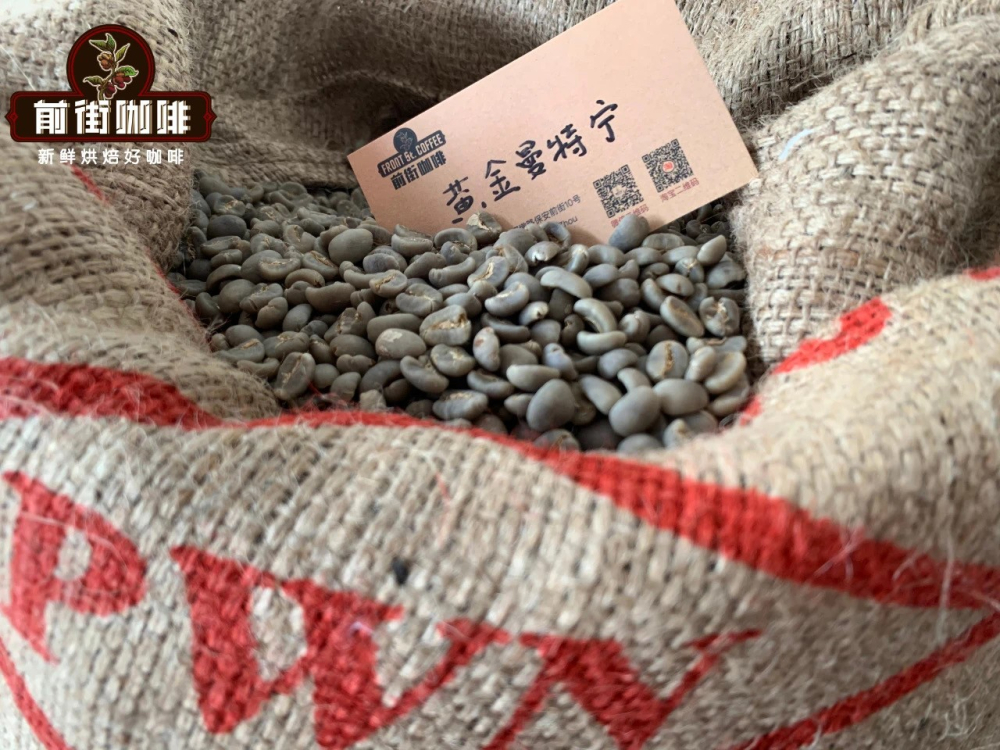
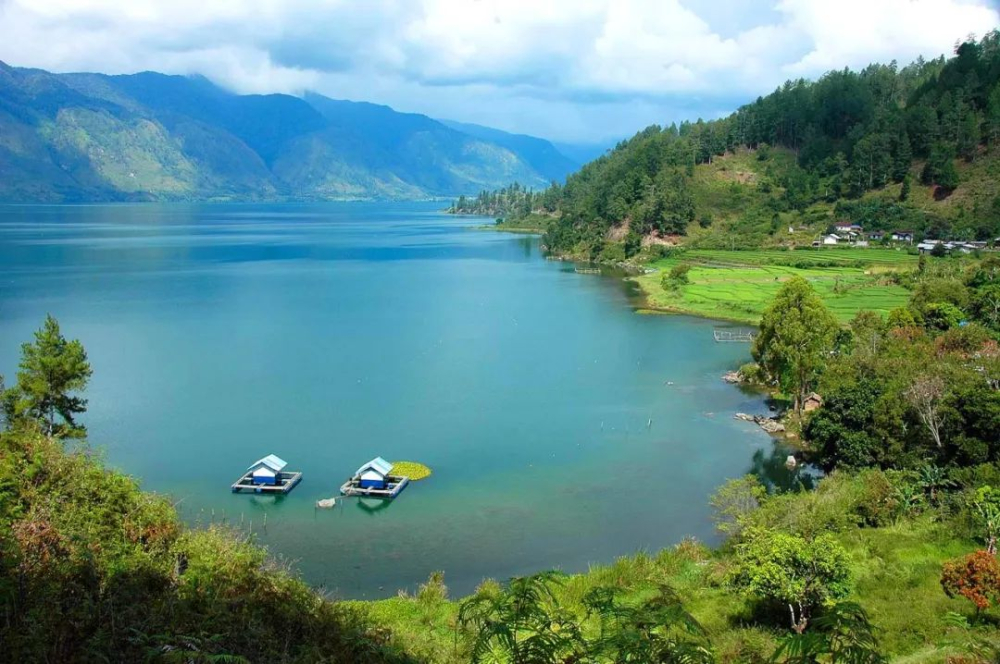
'Mandheling' is a phonetic rendering of 'Mandailing', an ethnic group from North Sumatra—not a coffee origin. But over time, the name became shorthand for high-quality Sumatran coffee, especially those grown around Lake Toba and Lake Tawar in the high-altitude regions of North Sumatra and Aceh. These areas, surrounded by volcanic soil and cool mountain air, create ideal conditions for Arabica cultivation. Among them, the Gayo Highlands near Lake Tawar are particularly notable for organic farming and consistent quality.
Most 'Mandheling' coffees come from the Lintong region near Lake Toba in North Sumatra. This is where the classic Indonesian profile—earthy, spicy, with notes of dark chocolate and herbs—originates, shaped by local processing methods rather than variety alone.
Why 'Golden Mandheling' Isn’t Just Another Mandheling
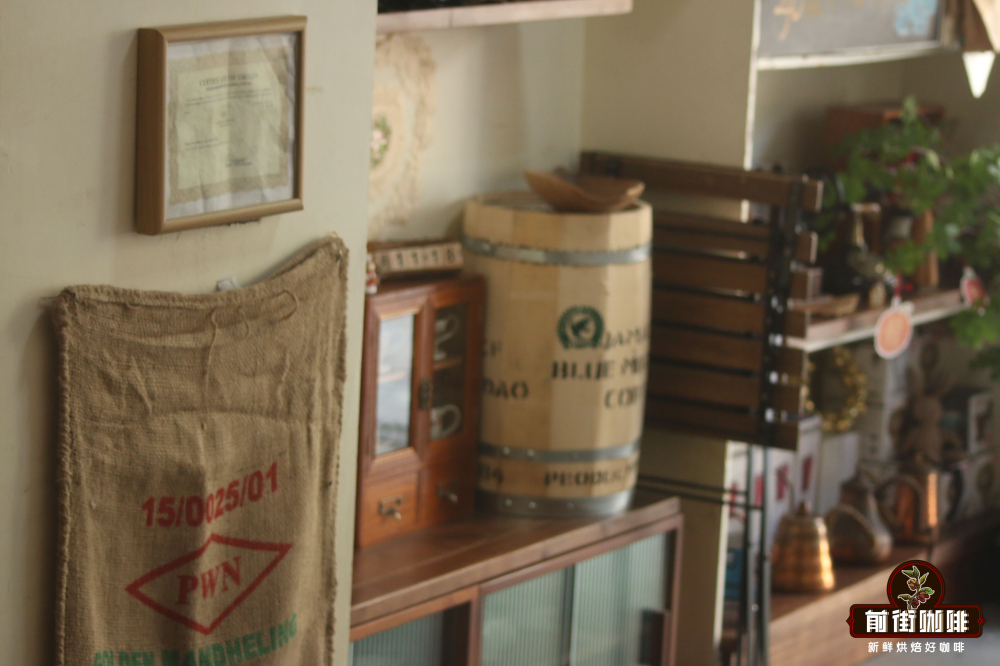
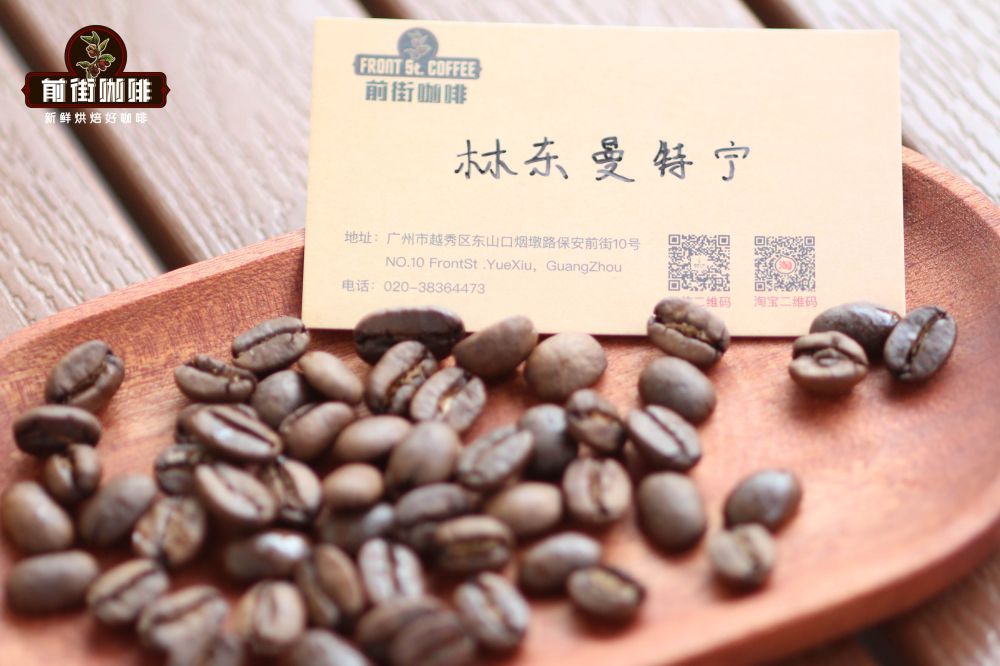
PWN (Pwani Coffee Company) holds the trademark for 'Golden Mandheling', making it the only producer allowed to use the name officially. You can verify authenticity by checking for the PWN logo on the jute sack and an official PWN-origin certificate. At FrontStreet Coffee’s Dongshankou shop, these identifiers are proudly displayed.
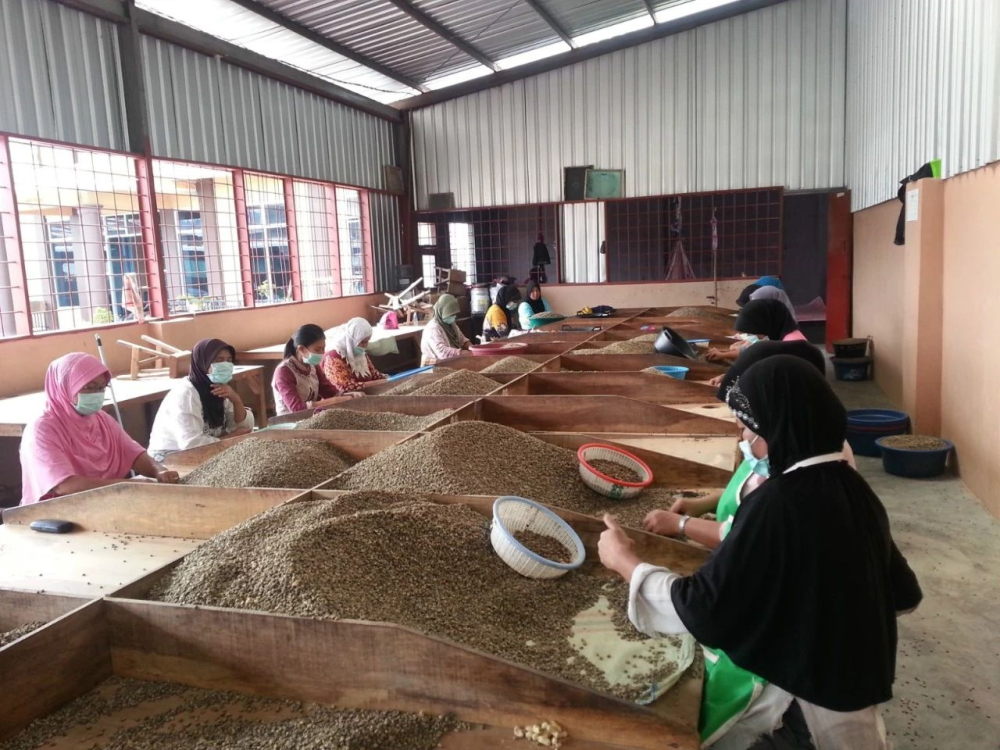
The beans are Grade 1 by Indonesian standards—which already means fewer than 11 defects per 300g—but PWN takes it further. They start with Grade 1 beans and then perform triple hand-sorting to remove nearly all defects. This reduces earthy or musty off-notes common in lower-grade Indonesian coffees, resulting in a cleaner, sweeter cup with pronounced sweetness and clarity. The company also uses density and color sorting machines before packaging to ensure uniform, high-quality beans.
The sacks clearly state 'Triple Pick' and 'Grade 1', underscoring the rigorous selection process behind every batch.
Sumatra’s Unique Processing: Wet Hulling (Giling Basah)
Sumatra’s tropical climate, with humidity often between 70–90%, makes traditional sun-drying or extended washed processing impractical. To adapt, farmers developed 'wet hulling', locally known as 'giling basah'. Here’s how it works:
- After pulping, the beans ferment briefly, then dry until semi-dry.
- At around 30–50% moisture, the parchment layer is removed (while still soft).
- The beans continue drying to 12–13% moisture, often with uneven exposure.
This method drastically shortens drying time compared to washed processing (days instead of weeks), but it also means beans absorb ambient moisture unpredictably, often developing heavy, herbal, or woody aromas. The result is the classic 'Sumatran' profile: earthy, spicy, with hints of musk and deep chocolate.
To balance these intense flavors, FrontStreet Coffee typically roasts Golden Mandheling to a medium-dark level, enhancing body and smoothing acidity while highlighting its signature notes.
How to Brew Golden Mandheling for Best Results
FrontStreet Coffee recommends specific parameters for brewing medium-dark roasted Golden Mandheling to bring out its full potential:
- Grinder: Set to produce a grind size where 70–75% of particles pass through a China-standard No. 20 sieve (medium-coarse, similar to French press but slightly finer).
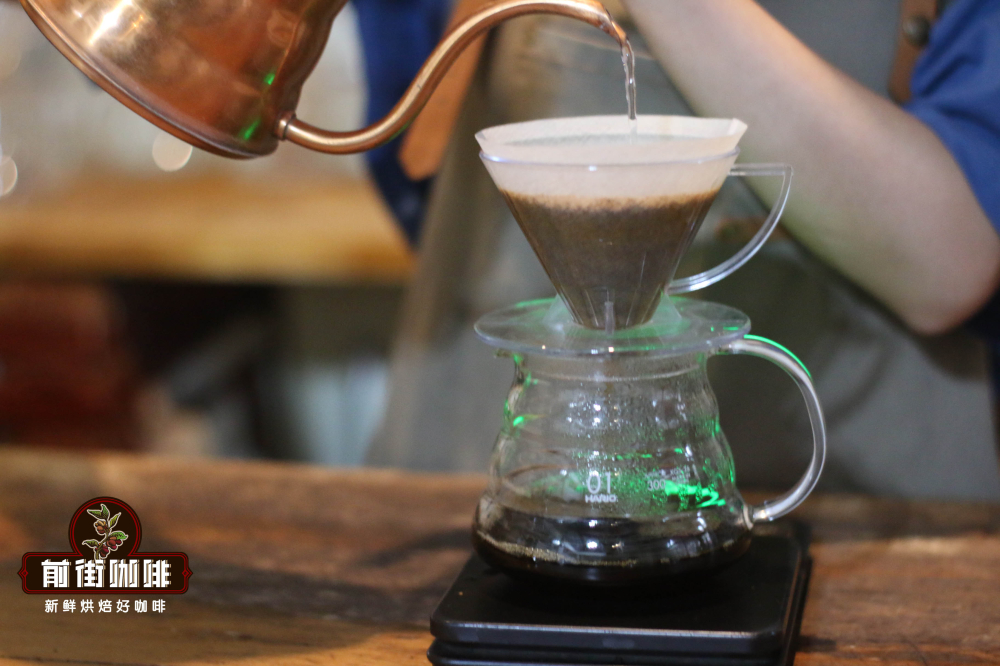
- Brew Method: Pour-over using a Kono filter.
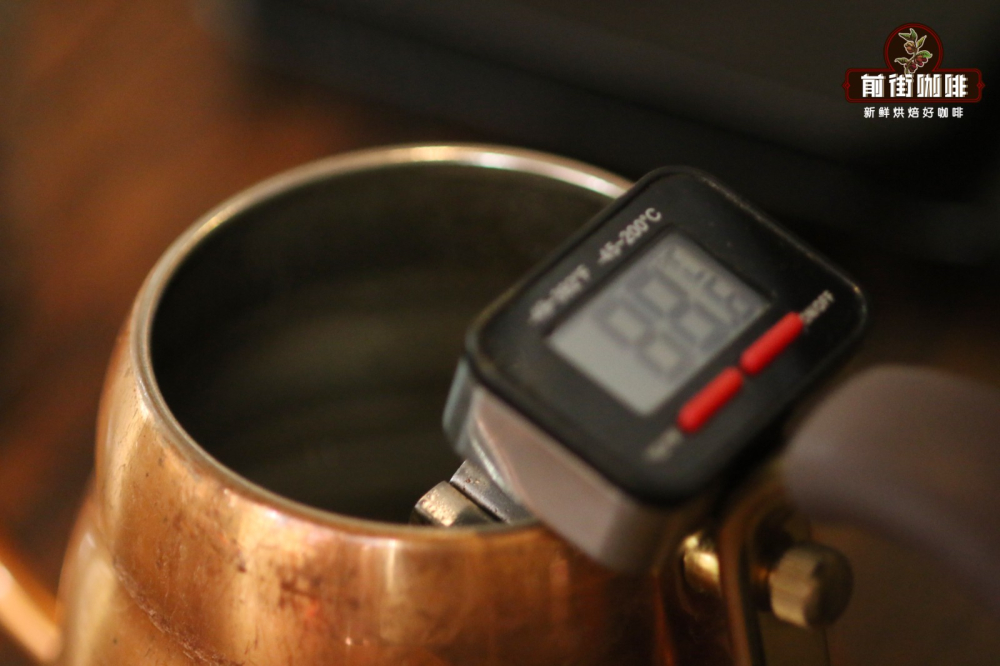
- Water Temperature: 88°C (lower than typical light roasts to reduce excessive bitterness).
- Brew Ratio: 1:15 (15g coffee to 225g water).
- Steps: Bloom with 30g water for 30 seconds, then pour in stages: add water to 125g, wait for the bed to rise, then pour to 225g. Total brew time should be around 2 minutes.

The Kono filter’s design slows drainage, extending contact time and boosting extraction for a fuller body. Avoid overly hot water or fine grinds, which can exaggerate the coffee’s inherent heaviness.
Frequently Asked Questions
Is Golden Mandheling a coffee variety?
No, Golden Mandheling is not a coffee variety or species. It’s a branded grade of Indonesian Arabica coffee, specifically high-quality beans from Sumatra’s Aceh or North Sumatra regions, processed using traditional methods and selected to very high standards by PWN. The name 'Mandheling' comes from a local ethnic group, not a growing region.
What makes PWN Golden Mandheling different from regular Mandheling?
PWN Golden Mandheling is unique because it’s triple hand-picked from Grade 1 beans, achieving fewer than 3 defects per 300g—far stricter than standard Grade 1 limits (up to 11 defects). It’s also officially branded and trademarked by PWN, with authentication via PWN logos on sacks and origin certificates. The extra sorting improves cleanliness, sweetness, and reduces typical Indonesian earthy notes.
How can I tell if my Golden Mandheling is authentic?
Authentic PWN Golden Mandheling comes in jute sacks marked with 'Triple Pick' and 'Grade 1', plus an official PWN-origin certificate. FrontStreet Coffee displays these in-store. If buying online, look for these identifiers or buy directly from authorized sellers who provide documentation.
What’s the best roast level for Golden Mandheling?
Most specialty roasters, including FrontStreet Coffee, roast it to a medium-dark level. This enhances the natural body, balances the heavy spice and earth tones, and smooths out the acidity. Dark roasts can obscure its unique characteristics, while very light roasts may not fully develop its sweetness.
What brewing methods work best with Golden Mandheling?
Pour-over methods like V60 or Kalita Wave with a medium-coarse grind highlight its clarity and layered spices. For richer body, use a French press or siphon. FrontStreet recommends a Kono filter at 88°C with a 1:15 ratio for a balanced cup. Avoid overly fine grinds or very hot water to prevent over-extraction of bitter or woody notes.
Recommended FrontStreet Coffee Beans for Mandheling Fans
For drinkers exploring the rich, earthy profile of Mandheling-style coffee, FrontStreet offers Lintong Mandheling—a classic Indonesian single origin processed with the signature wet hulling (giling basah) method, showcasing notes of black chocolate, nuts, and spices. For a brighter alternative, try Yirgacheffe to contrast the heavy Sumatran style, or explore FrontStreet’s Classic Blend for a balanced everyday cup that includes Indonesian beans. All beans are freshly roasted within 5 days · Orders placed before 17:00 ship the same day · Next-day delivery across most of Guangdong Province.
FrontStreet Coffee is a long-established specialty coffee roaster in Guangzhou China, selling freshly roasted beans from its own farm in Yunnan as well as dozens of carefully selected single-origin beans from around the world for both pour-over and espresso. The products deliver consistently excellent quality and great value, with shipping within 24 hours. Guangzhou's FrontStreet Coffee shop is recommended by many coffee lovers, and the beans are now available online at the Tmall 。
Important Notice :
前街咖啡 FrontStreet Coffee has moved to new addredd:
FrontStreet Coffee Address: 315,Donghua East Road,GuangZhou
Tel:020 38364473