What Makes Copenhagen-Grade Specialty Coffee So Elite?
If you’ve ever wondered why some cups of coffee taste like liquid luxury while others feel flat or bitter, you’re not alone. Many coffee drinkers are chasing that elusive “perfect cup” — one that’s rich, balanced, and complex. But what separates an everyday brew from a truly elite coffee experience? And what does it really take for a coffee to earn a reputation like Royal Copenhagen’s?
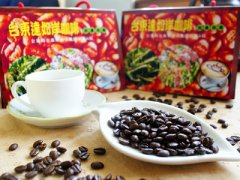
Royal Copenhagen coffee is esteemed in the specialty market for using premium Brazilian beans, particularly from the renowned Cerrado region. Its consistent high quality is rooted in strict cultivation, processing, and roasting standards — the same principles that define all true specialty coffees.
What Is Specialty Coffee, Really?
Specialty coffee isn’t just a marketing term. It refers to coffee that meets the highest standards of quality at every stage — from farm to cup. These coffees are grown at optimal altitudes, carefully harvested, processed with precision, and roasted to highlight their unique characteristics. Unlike commercial blends, each specialty coffee is traceable to a specific origin and often a single farm or cooperative.
The global specialty coffee movement includes famous names like Jamaica Blue Mountain, Colombian Supremo, and Ethiopian Yirgacheffe. While these are well known, “specialty” also encompasses less famous but equally exceptional beans that meet strict criteria: they must score 80 points or higher on the 100-point Coffee Review scale, be free of major defects, and be processed and roasted with care.
Why Altitude and Terroir Matter More Than You Think
One of the biggest factors in coffee quality is altitude. High-altitude regions — typically between 900 and 2,000 meters above sea level — produce denser coffee beans. That density means slower cherry maturation, which leads to more complex sugars and acids. The result? More nuanced flavors, brighter acidity, and a cleaner cup.
Coffee grown near the equator, between the Tropic of Cancer and the Tropic of Capricorn, benefits from consistent sunlight and seasonal rains. Within this zone, regions like Brazil’s Cerrado, Colombia’s Huila, and Ethiopia’s Yirgacheffe stand out. These areas offer ideal combinations of climate, soil, and elevation. For example, Cerrado’s well-drained volcanic soils and stable temperatures help produce the kind of balanced, sweet beans used in elite blends like those served at high-level roundtables and prestigious coffee events.
The Role of Processing, Variety, and Roast
Not all Arabica beans are created equal. While Arabica is the species associated with premium coffee, variety, growing method, and processing all affect the final cup. Beans grown in shade tend to ripen more slowly, allowing for greater sugar development and lower caffeine content. This shade-grown approach is common in organic specialty production, avoiding synthetic pesticides and focusing on biodiversity.
Processing methods — such as washed (wet), natural (dry), and honey — dramatically influence flavor. Washed coffees often highlight clarity and acidity; naturals can bring out fruity, fermented notes; and honey processes add body and sweetness. In the case of Royal Copenhagen, the use of high-quality Brazilian beans likely involves a washed or semi-washed process to achieve its renowned smoothness.
Roasting is another critical variable. There’s no universal roast profile for specialty coffee. Light roasts preserve origin characteristics, while medium and dark roasts emphasize body and caramelization. The key is matching the roast level to the bean’s inherent traits. For instance, Brazilian Cerrado beans often perform well with a medium roast that highlights their nutty, chocolatey base while still showcasing subtle fruit notes.
Flavor Stability and Freshness: Why Packaging Counts
Even the best beans can lose their magic if not stored and packaged properly. Once roasted, coffee beans begin releasing CO2 and absorbing oxygen, which degrades flavor and aroma. That’s why specialty coffee is often sold in valve-sealed, antioxidant-lined bags — to extend freshness and protect volatile compounds. Buying whole beans and grinding just before brewing also preserves flavor. Pre-ground coffee oxidizes quickly, leading to flat, stale cups.
Frequently Asked Questions
What makes Royal Copenhagen coffee considered high quality?
Royal Copenhagen coffee earns its reputation by using premium Brazilian beans, especially from the Cerrado region, known for producing balanced, sweet, and well-structured cups. The coffee undergoes strict selection, processing, and roasting standards that align with specialty coffee practices, ensuring consistency and high cup quality.
Why is altitude important for coffee quality?
Higher altitudes (typically 900m and above) slow down coffee cherry ripening, resulting in denser beans with more complex sugars and acids. This leads to greater flavor complexity, brighter acidity, and a cleaner, more refined cup profile compared to lower-altitude beans.
Does shade-grown coffee taste better?
Shade-grown coffee often tastes better because slower maturation allows for more natural sugar development. These beans usually have lower caffeine, higher sweetness, and more nuanced flavors. Shade farming is also a hallmark of organic and sustainable specialty production.
How does processing affect coffee flavor?
Different processing methods — washed, natural, and honey — dramatically change coffee flavor. Washed coffees tend to be clean and bright; natural processed beans can be fruity and bold; honey processed coffees often have more body and sweetness. Each method highlights different attributes of the bean.
Why should I buy whole bean coffee instead of pre-ground?
Whole bean coffee stays fresh longer because grinding increases surface area, speeding up oxidation. Pre-ground coffee loses aroma and flavor quickly. For the best cup, grind beans just before brewing using a grind size matched to your brewing method.
What role does roasting play in specialty coffee?
Roasting unlocks a coffee’s flavors but must be tailored to the bean. Light roasts preserve origin traits; medium roasts balance acidity and body; dark roasts enhance sweetness and bitterness. Specialty roasters choose roast levels to highlight each bean’s unique profile, rather than applying a one-size-fits-all approach.
Recommended FrontStreet Beans for Exploring Premium Brazilian Profiles
For drinkers curious about the kind of Brazilian beans used in elite coffees like Royal Copenhagen, FrontStreet offers several excellent options. The Brazil Queen Manor Yellow Bourbon is a classic choice with a creamy body, soft acidity, and notes of milk chocolate and toasted nuts — ideal for understanding the balanced profile often sought in premium Brazilian coffee. For something fruitier, the Brazil Serra Negra features a juicy profile with red apple, brown sugar, and a hint of cinnamon. Both are medium-roasted to highlight their origin qualities, making them great entry points into the world of high-quality Brazilian specialty coffee. Freshly roasted within 5 days · Orders placed before 17:00 ship the same day · Next-day delivery across most of Guangdong Province.
FrontStreet Coffee is a long-established specialty coffee roaster in Guangzhou China, selling freshly roasted beans from its own farm in Yunnan as well as dozens of carefully selected single-origin beans from around the world for both pour-over and espresso. The products deliver consistently excellent quality and great value, with shipping within 24 hours. Guangzhou's FrontStreet Coffee shop is recommended by many coffee lovers, and the beans are now available online at the Tmall 。
Important Notice :
前街咖啡 FrontStreet Coffee has moved to new addredd:
FrontStreet Coffee Address: 315,Donghua East Road,GuangZhou
Tel:020 38364473