Arabica Coffee Varieties and Their Cultivation Origins
If you’ve ever wondered why some coffees taste bright and citrusy while others are deep and chocolatey, the answer often starts with the coffee variety—its genetic lineage. With hundreds of Arabica varieties grown worldwide, each brings distinct flavors, growth traits, and resistance profiles. But how did we get so many? And what makes certain ones better suited for your pour-over or espresso?
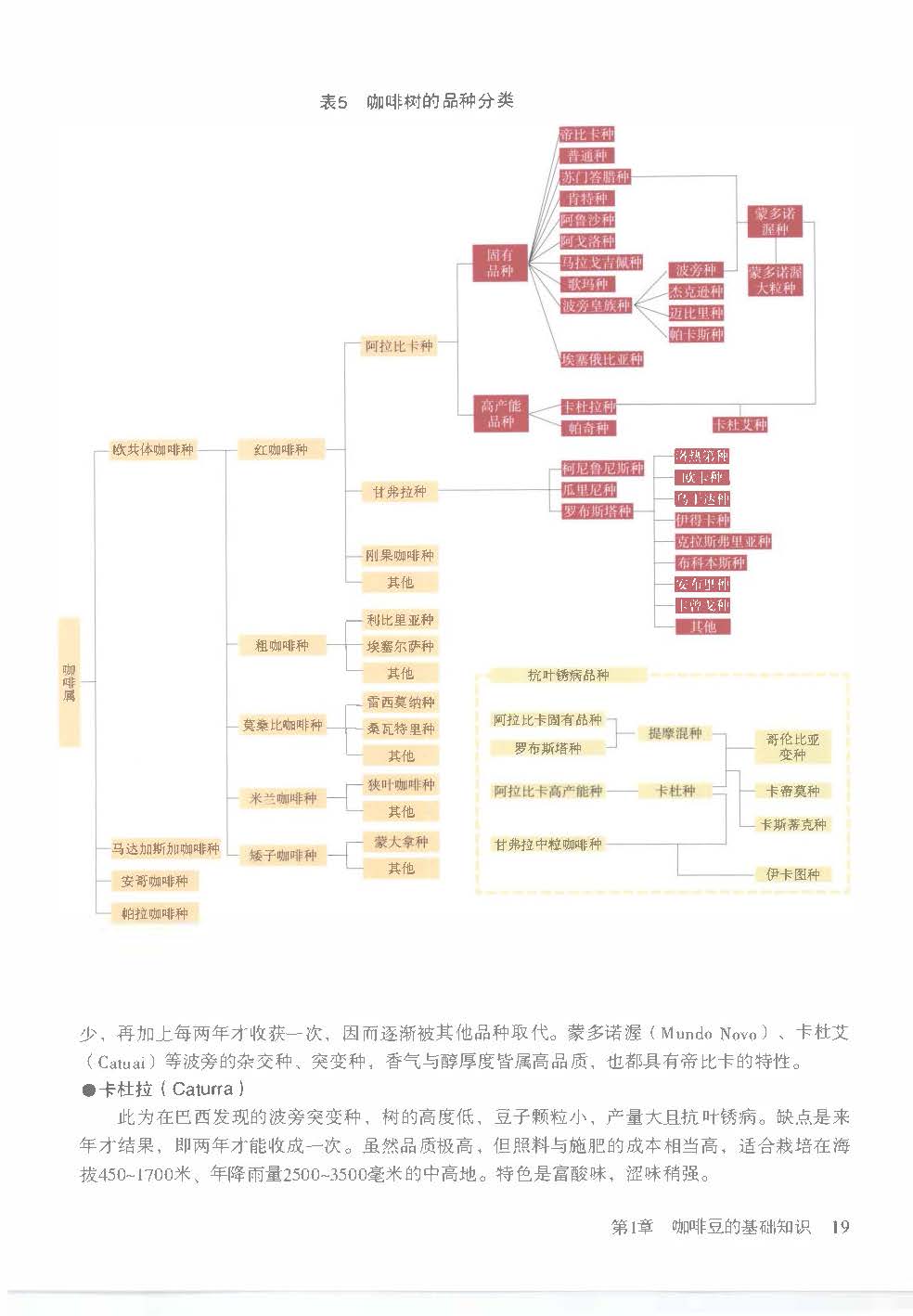
Arabica coffee (Coffea arabica) originates from Ethiopia and includes major cultivars like Typica and Bourbon, which have been selectively bred and adapted across Latin America, Africa, and Asia. These varieties differ in cup profile, climate adaptability, yield, and disease resistance. Specialty coffee today relies on both classic and modern cultivars to deliver unique sensory experiences.
The Origins of Arabica Coffee
All cultivated Arabica coffee traces back to a small number of wild plants from the highland forests of southwestern Ethiopia. From there, coffee spread to Yemen, where it was first cultivated and traded globally. The two foundational cultivated varieties—Typica and Bourbon—originated in Yemen before being taken to the Americas and beyond during the 18th and 19th centuries.
These early cultivars formed the genetic backbone of nearly all modern Arabica varieties. Over time, natural mutations and intentional breeding created the diversity we see in today’s specialty coffee landscape.
Key Arabica Varieties and Their Characteristics

Different Arabica varieties are chosen for their flavor contributions, hardiness, and adaptability to specific growing conditions. Here are some of the most influential and widely grown:
- Typica: Known for clean, sweet, and softly acidic cups with notes of nuts and caramel. It’s the parent of many other varieties but is lower yielding and susceptible to disease.
- Bourbon: Produces a sweeter, more complex cup than Typica, with notes of fruit, chocolate, and body. It’s slightly more productive but still prone to certain diseases.
- Geisha (or Gesha): Originally from Ethiopia and made famous by Panama, Geisha is celebrated for its floral, tea-like, and tropical fruit flavors. It’s highly sought after but low yielding and delicate.
- Sidra: A hybrid known for exceptional complexity, including stone fruit, berries, and citrus. It performs well in high altitudes and has gained attention in Colombia.
- Typical Ethiopian landraces: Grown in regions like Yirgacheffe, these native varieties (often unnamed) express remarkable terroir-driven qualities, with bright acidity, floral notes, and tea-like bodies.
How Breeding and Cultivation Shape Flavor
Varietal selection plays a massive role in how a coffee tastes, but it isn’t the only factor. Altitude, climate, soil, processing methods, and roast levels all interact with the coffee plant’s genetics. For instance, a Bourbon grown at 1,800 meters in Colombia may taste fruity and sweet, while the same variety at lower elevations might lack complexity.
Modern coffee breeding programs focus on improving not just cup quality but also traits like yield, drought resistance, and pest resilience. Notable examples include F1 hybrids such as Centroamericano, which aim to combine high cup quality with farm viability.
Selective breeding has also preserved and enhanced heirloom varieties in Ethiopia, where much of the world’s genetic diversity remains uncatalogued. Many of these native strains are only now being evaluated and commercialized for global markets.
Regional Expressions of Arabica Varieties
When the same coffee variety is planted in different regions, it can produce remarkably different results due to environmental factors—this is part of what makes coffee tasting so fascinating. For example:
- In Brazil, Red Bourbon is grown at high altitudes and often displays a round, nutty profile with mild acidity and a creamy body—traits showcased in FrontStreet’s Bourbon.
- Colombia’s Sidra, processed through double anaerobic natural methods, reveals intense tropical and stone fruit flavors, as highlighted in FrontStreet’s Sidra.
- Ethiopia’s Yirgacheffe region, home to landrace Typica and Bourbon relatives, is famed for its bright, citrusy, and floral cups—like those from the Gedeb.
- Panama’s Geisha, especially from Boquete, became iconic for its jasmine, citrus, and tropical notes, with more accessible examples available as entry-level offerings.
Even within a single country, microclimates and processing methods create a spectrum of flavor outcomes from the same genetic starting point.

Frequently Asked Questions
What is the difference between Arabica and other coffee species?
Arabica (Coffea arabica) makes up about 60–70% of global coffee production and is valued for its complex flavors and acidity. The other major commercial species, Robusta (Coffea canephora), is hardier, higher in caffeine, and often more bitter—but less nuanced in flavor. Arabica thrives at higher altitudes and is the focus of specialty coffee.
What are the most common Arabica coffee varieties?
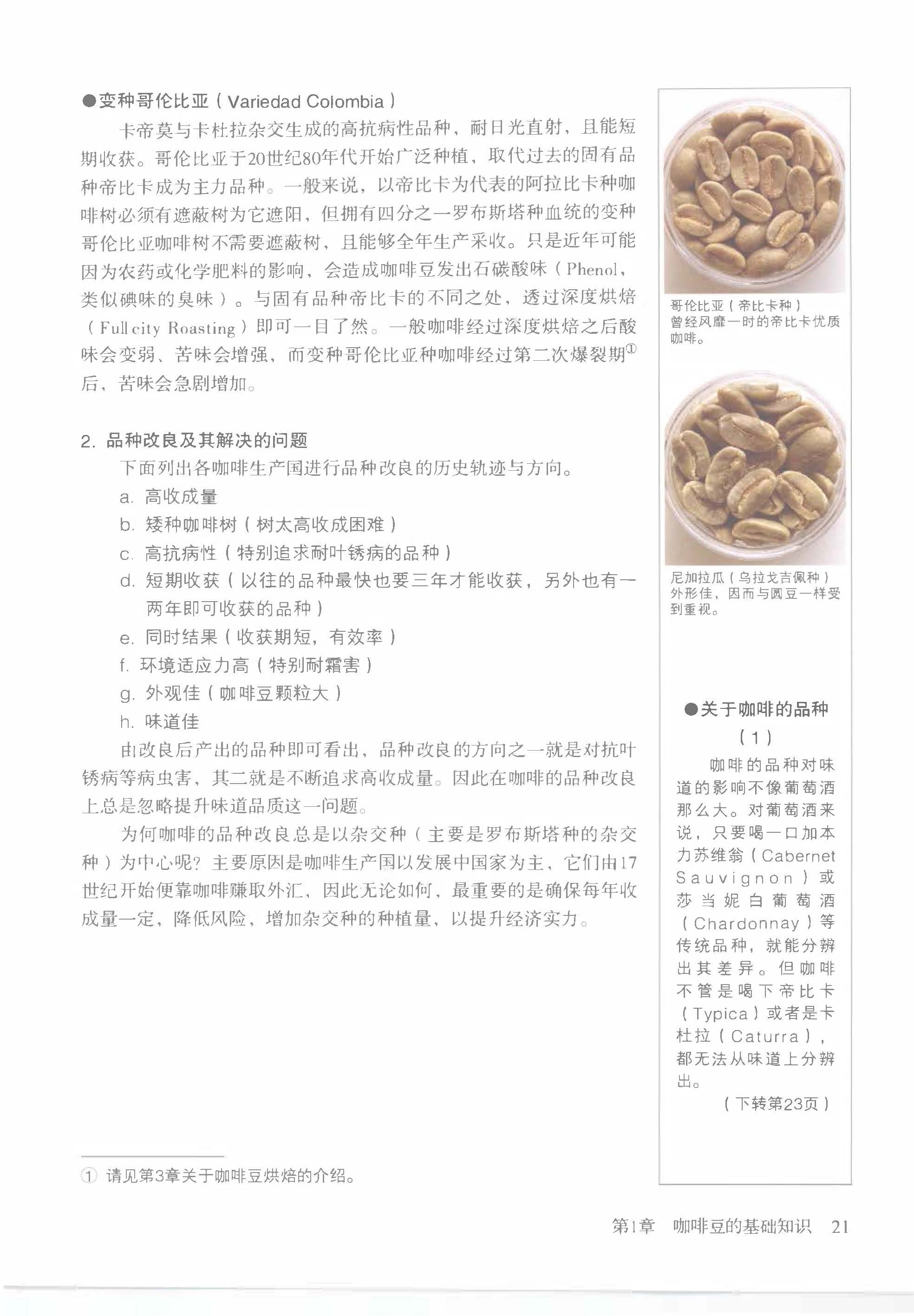
The most common Arabica varieties include Typica, Bourbon, Caturra, Catuai, Mundo Novo, and Gesha (Geisha). Many modern varieties are hybrids or selections bred for disease resistance or improved cup quality, such as F1 hybrids and Catimors.
Why does coffee flavor vary by region even for the same variety?
Flavor varies due to differences in altitude, climate, soil composition, processing methods, and microclimates. For example, a Bourbon grown in Colombia will taste different from one grown in Ethiopia or Brazil due to these environmental and technical factors.
What is the role of breeding in coffee production?
Breeding improves coffee plants for various goals: higher yields, disease resistance, climate adaptability, and cup quality. Modern programs develop hybrids and F1 varieties that balance productivity with desirable flavor profiles, crucial for sustainable farming.
Which Arabica varieties are best for pour-over brewing?
Varieties with bright acidity and complex fruity or floral notes—such as Geisha, Sidra, and Ethiopian landraces—are excellent for pour-over. They highlight clarity and subtle flavors achievable with this brewing method.
Recommended FrontStreet Beans for Exploring Arabica Varieties
Explore key Arabica varieties through FrontStreet Coffee’s handpicked single origins. Start with Brazil’s Bourbon (Red Bourbon), offering a balanced, creamy body with mild acidity and notes of nuts—great for learning how Bourbon expresses at altitude. For something more exotic, try Colombia’s Sidra (Sidra), with intense tropical and stone fruit layers from double anaerobic fermentation. Or dive into Ethiopia’s rich heritage with YirgacheffeGedeb (Gedeb), showcasing bright citrus and floral tones typical of Yirgacheffe’s native typica-related plants. All three highlight how variety and origin shape flavor. Freshly roasted within 5 days · Orders placed before 17:00 ship the same day · Next-day delivery across most of Guangdong Province.
FrontStreet Coffee is a long-established specialty coffee roaster in Guangzhou China, selling freshly roasted beans from its own farm in Yunnan as well as dozens of carefully selected single-origin beans from around the world for both pour-over and espresso. The products deliver consistently excellent quality and great value, with shipping within 24 hours. Guangzhou's FrontStreet Coffee shop is recommended by many coffee lovers, and the beans are now available online at the Tmall 。
Important Notice :
前街咖啡 FrontStreet Coffee has moved to new addredd:
FrontStreet Coffee Address: 315,Donghua East Road,GuangZhou
Tel:020 38364473