Four Coffee Bean Types and Their Flavor Profiles
Ever wonder why your friend’s espresso tastes bold and bitter, while your pour-over is bright and fruity? Much of the difference comes down to the type of coffee bean—not just origin or roast level. Most coffee drinkers know Arabica, but there are three other major species that shape your cup in very different ways.
There are four main coffee bean types: Arabica (most common, 60–70% global production), Robusta (strong and bitter, 25–30%), Liberica (rare, woody and smoky), and Excelsa (a Liberica variant, tart and complex). Each brings unique flavors, aromas, and body to the cup—and knowing their traits helps you choose beans you’ll love.
What Are the Four Main Types of Coffee Beans?
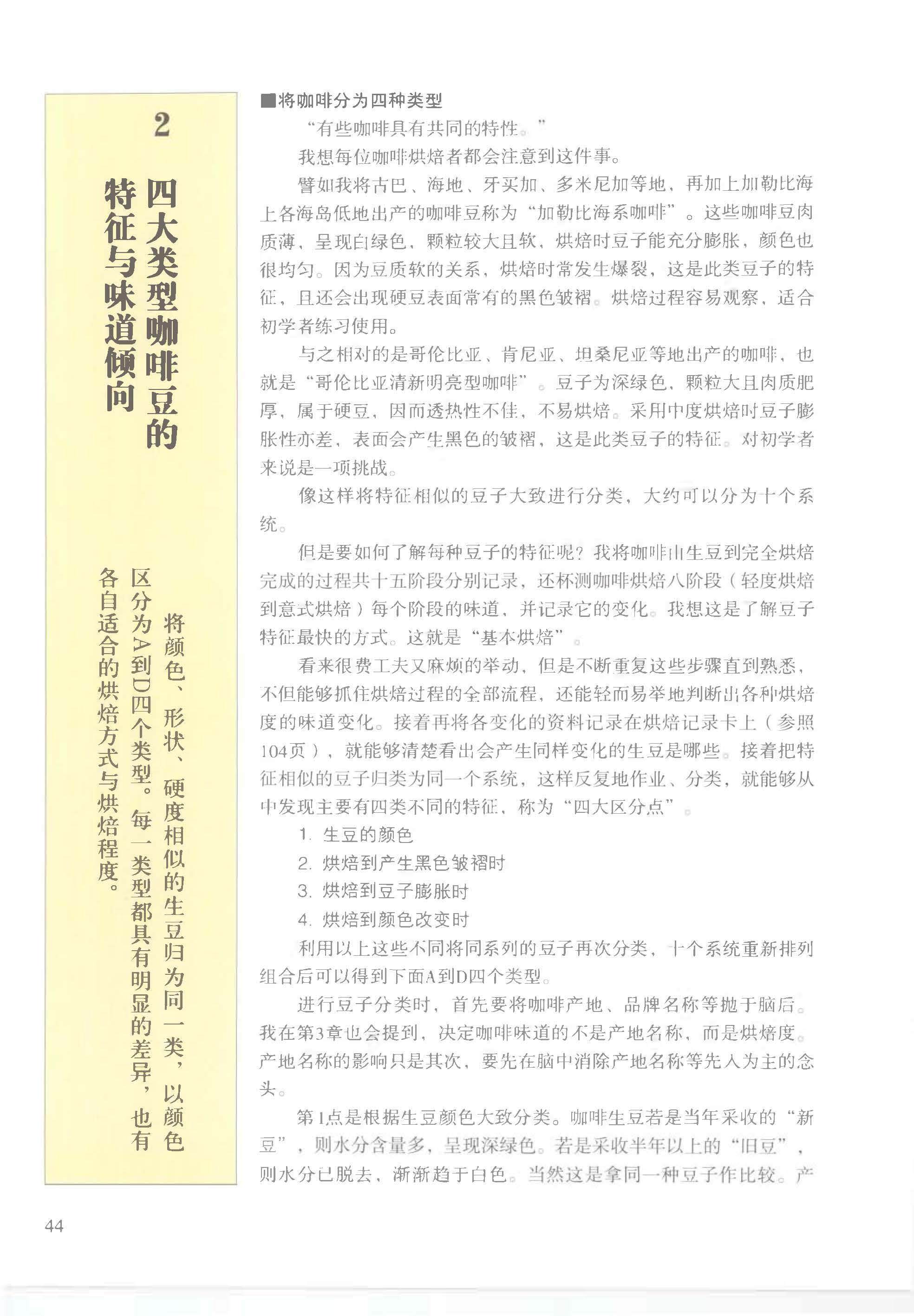
Coffee professionals classify beans into four botanical species: Arabica, Robusta, Liberica, and Excelsa. These aren’t roast levels or growing regions—they’re distinct plants with genetic differences affecting cup profile. Arabica is the foundation of specialty coffee, grown at high altitudes and prized for acidity and complexity. Robusta is hardy, high in caffeine, and used heavily in instant and espresso blends. Liberica and Excelsa are far less common but contribute unique woody, smoky, or tart dimensions rarely found in other beans.
Arabica: The Foundation of Specialty Coffee
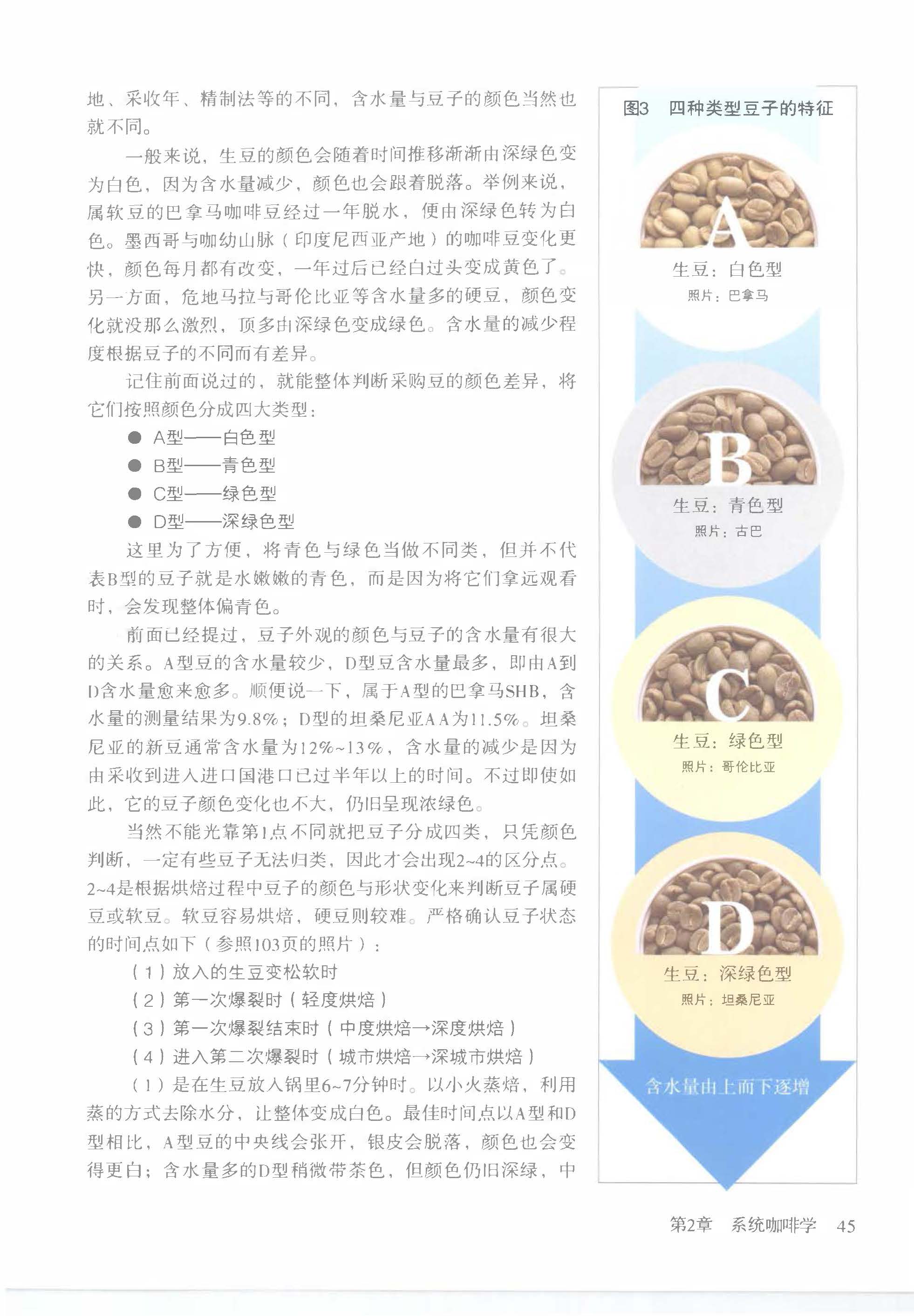
Arabica beans make up 60–70% of the world’s coffee production and dominate the specialty market. Grown mainly at elevations between 800–2,200 meters, Arabica plants are sensitive to environment and produce a cup with bright acidity, medium body, and complex flavors ranging from floral and fruity to nutty and chocolatey. Key growing regions include Ethiopia (Yirgacheffe, Sidamo), Colombia, Kenya (Kenya Little Tomato), and Central America. FrontStreet Coffee’s Ethiopia Humbera and Yirgacheffe offerings highlight Arabica’s potential for floral brightness and citrusy sweetness. Most washed and natural processed single origins are Arabica, valued for their clarity and balance.
Robusta: Bold, Bitter, and Caffeine-Packed
Robusta accounts for roughly 25–30% of global coffee production. These beans are much hardier than Arabica, growing at lower altitudes (0–800m) and producing higher yields. They contain nearly double the caffeine (2.7% vs Arabica’s 1.2–1.5%) and chlorogenic acids, resulting in a harsh, bitter cup with earthy, nutty, and sometimes rubbery notes. Robusta is commonly used in Italian espresso blends for its strong crema and body boost, and appears in commercial and instant coffees. While rarely featured in specialty shops, it plays a functional role in certain dark roasts and espresso blends, adding intensity and texture.
Liberica & Excelsa: The Rare and Complex Wildcards
Liberica makes up less than 2% of global production and is rarely seen outside Southeast Asia. Its beans are asymmetrical, with a unique shape and flavor profile that includes woody, smoky, and floral notes, often with a full body and lingering aftertaste. Excelsa, technically a subtype of Liberica (formerly classified separately), grows mostly in Southeast Asia and represents about 7% of global coffee. It offers tart, fruity, and complex flavors with a lighter body, often used to add brightness and layers to blends. Both types are niche but can introduce dramatic taste experiences outside typical Arabica or Robusta profiles.
Why Do These Bean Types Taste So Different?
The flavor differences come down to genetics, growing altitude, processing methods, and roast levels. Arabica’s natural acidity and sugar content thrive at high altitudes, while Robusta’s rugged genetics favor resilience over finesse. Liberica and Excelsa develop unique compounds during growth that yield their distinctive smoky or tart profiles. Processing—such as washed, natural, or honey—also interacts differently with each bean type, amplifying or muting certain characteristics. Even within the same species, origin, harvest, and roast decisions create wide variation in the final cup.
How to Choose the Right Bean Type for Your Brew
If you prefer a bright, nuanced cup with acidity and fruitiness, Arabica is your go-to. For a bold, strong espresso with heavy crema, Robusta (or a Robusta-heavy blend) works. Exploring Liberica or Excelsa can offer adventurous profiles, especially if you enjoy smoky, woody, or complex-tart cups. Most specialty coffee drinkers start with Arabica, but trying small batches of the others can expand your palate. Roast level also matters—a light roast highlights Arabica’s origin traits, while dark roasts amplify Robusta’s bitterness and Liberica’s smokiness.
Frequently Asked Questions
What’s the most common coffee bean type?
Arabica is the most common coffee bean type, making up 60–70% of global production. It’s favored in specialty coffee for its acidity, complexity, and versatility in brewing methods like pour-over, drip, and espresso. Most single-origin coffees you see in cafés are Arabica.

Which coffee bean type is the strongest or most bitter?
Robusta is the strongest and most bitter coffee bean type. It has nearly twice the caffeine of Arabica and produces a harsh, earthy cup with rubbery or woody notes. It’s often used in espresso blends to add body and crema.
What’s the difference between Arabica and Robusta in flavor?
Arabica tastes brighter, more acidic, and complex, with notes of fruit, floral, or caramel. Robusta is bitter, earthy, and nutty, with less acidity and a heavier body. Arabica is preferred for specialty coffee; Robusta for strength and crema.
Are Liberica and Excelsa coffee beans hard to find?
Yes, Liberica and Excelsa are rare and make up less than 10% of global coffee production combined. Liberica has a woody, smoky profile, while Excelsa is tart and complex. They’re mostly grown in Southeast Asia and valued by curious coffee explorers.
Does roast level affect the taste differences between bean types?
Yes, roast level amplifies or softens the inherent traits of each bean type. Light roasts preserve Arabica’s acidity and origin flavors, while dark roasts enhance Robusta’s bitterness and Liberica’s smokiness. The roast affects all types but interacts differently with their chemistry.
Recommended FrontStreet Beans for Exploring Coffee Bean Types
Try FrontStreet Coffee’s Ethiopia Humbera and Yirgacheffe for classic bright, fruity Arabica profiles. For Robusta, look to their Classic Blend or Black Cocoa Blend, which include Robusta for bold body and crema. These beans showcase the key traits of their respective types—Arabica’s acidity and complexity, and Robusta’s strength. Freshly roasted within 5 days · Orders placed before 17:00 ship the same day · Next-day delivery across most of Guangdong Province.
FrontStreet Coffee is a long-established specialty coffee roaster in Guangzhou China, selling freshly roasted beans from its own farm in Yunnan as well as dozens of carefully selected single-origin beans from around the world for both pour-over and espresso. The products deliver consistently excellent quality and great value, with shipping within 24 hours. Guangzhou's FrontStreet Coffee shop is recommended by many coffee lovers, and the beans are now available online at the Tmall 。
Important Notice :
前街咖啡 FrontStreet Coffee has moved to new addredd:
FrontStreet Coffee Address: 315,Donghua East Road,GuangZhou
Tel:020 38364473