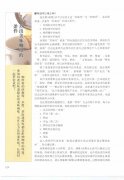
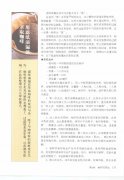
Filter Paper Drip Tools for Coffee Extraction
If your pour-over coffee tastes weak, overly bitter, or just off, the issue might not be the beans—it could be the tools. From the dripper shape to the filter material, every piece in your filter paper setup affects how water flows through coffee grounds and what ends up in your cup. Knowing which tools work best and why can help you consistently brew better coffee at home.
The key tools for filter paper drip brewing include the dripper (like a V60 or Kalita Wave), paper filters (typically cone-shaped and sized to match), a gooseneck kettle for precise pouring, and a digital scale for accurate measurements. Most home setups also use a temperature-controlled water source and a timer. These five components directly influence extraction time, flow rate, and even flavor clarity.
What Is Filter Paper Drip Coffee?
Filter paper drip coffee—commonly called pour-over—is a manual brewing method where hot water is poured through ground coffee sitting on a paper filter inside a cone-shaped dripper. Gravity pulls the water through the coffee bed and filter, extracting soluble compounds into your cup. Unlike espresso or French press, pour-over relies entirely on manual control of water flow, distribution, and timing. This method highlights clarity, acidity, and subtle flavor notes, making it popular among specialty coffee enthusiasts.
Core Tools Used in Filter Paper Drip Brewing
Successful pour-over brewing depends on a few essential tools, each playing a specific role in extraction:
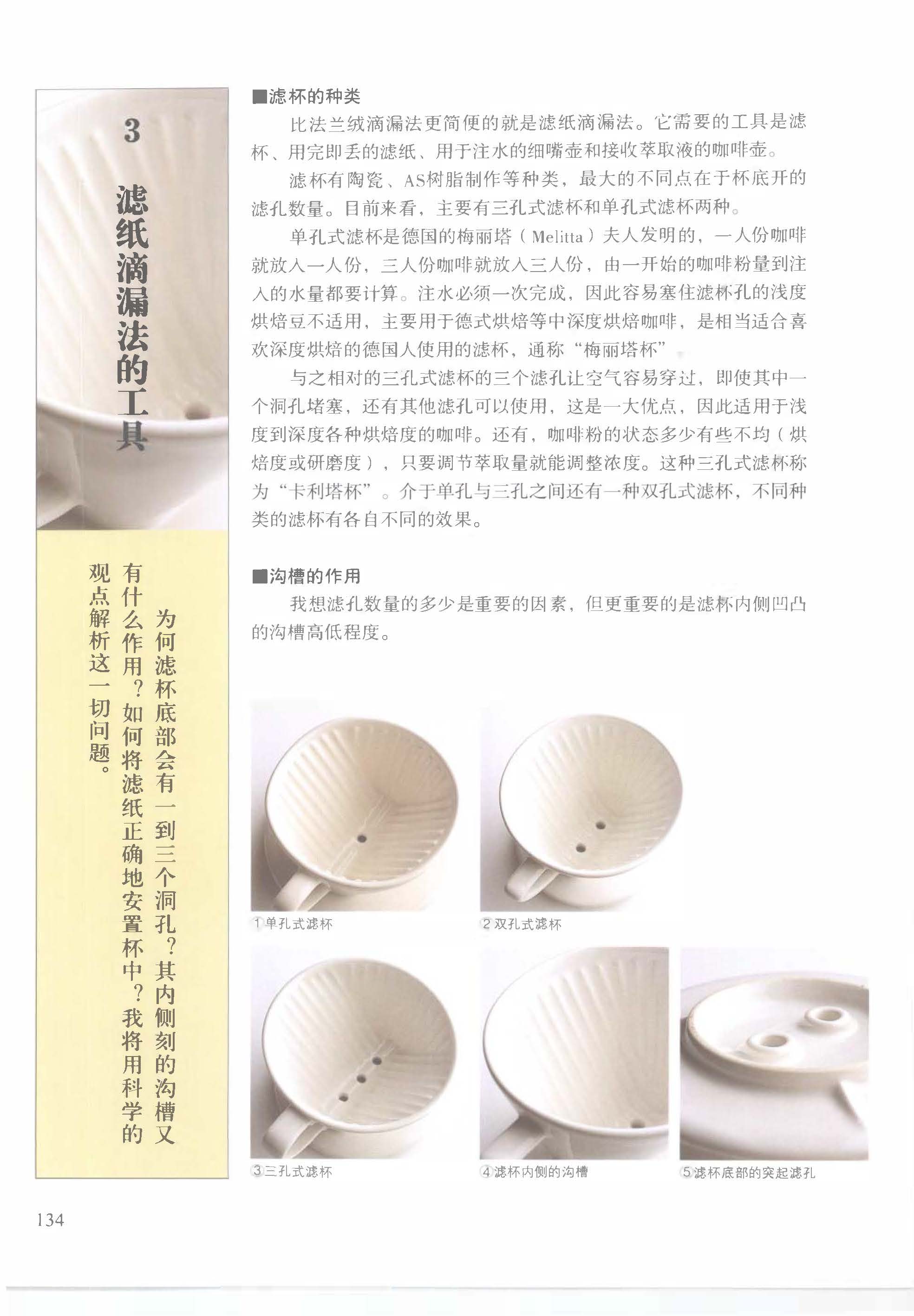
- Dripper: Usually cone-shaped (e.g., V60, Kalita Wave, or Melitta), determines water flow path and contact time with coffee. Common materials include ceramic, plastic, glass, or metal.
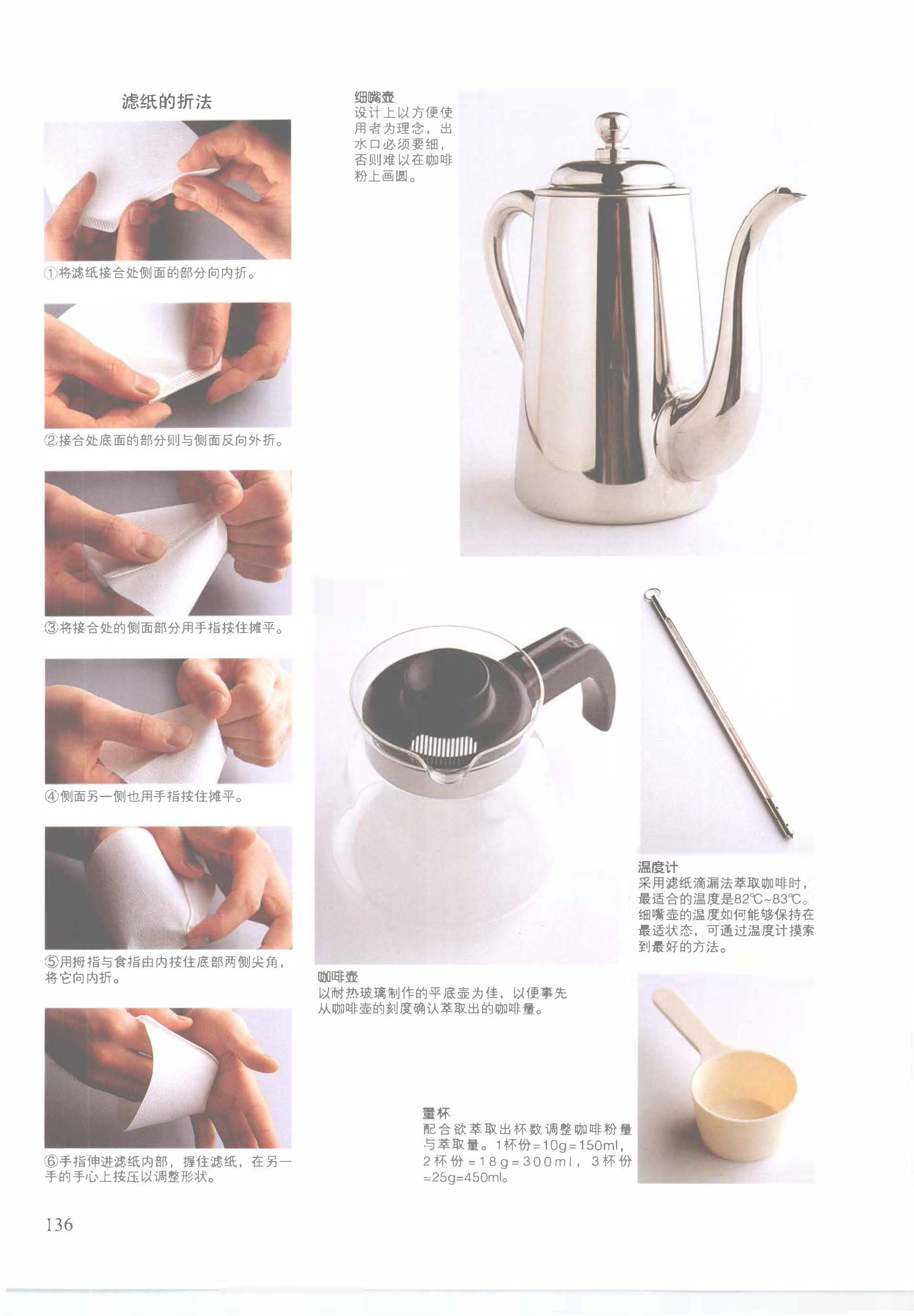
- Paper Filter: Fits your dripper model (most often cone-shaped, size 01 or 02). Filters remove coffee grounds and oils, affecting body and clarity. Pre-wetting the filter helps reduce paper taste.
- Gooseneck Kettle: Precision-spout kettle for controlled pouring, crucial for even saturation and layering of coffee grounds.
- Scale: Digital scale measures coffee and water accurately (usually in grams), essential for hitting the correct brew ratio (often 1:15 to 1:17).
- Timer: Tracks bloom, pours, and total brew time—key factors in controlling extraction.
How Dripper Shape and Filter Type Affect Extraction
The design of your dripper and the type of paper filter you use dramatically influence how water flows through the coffee bed:
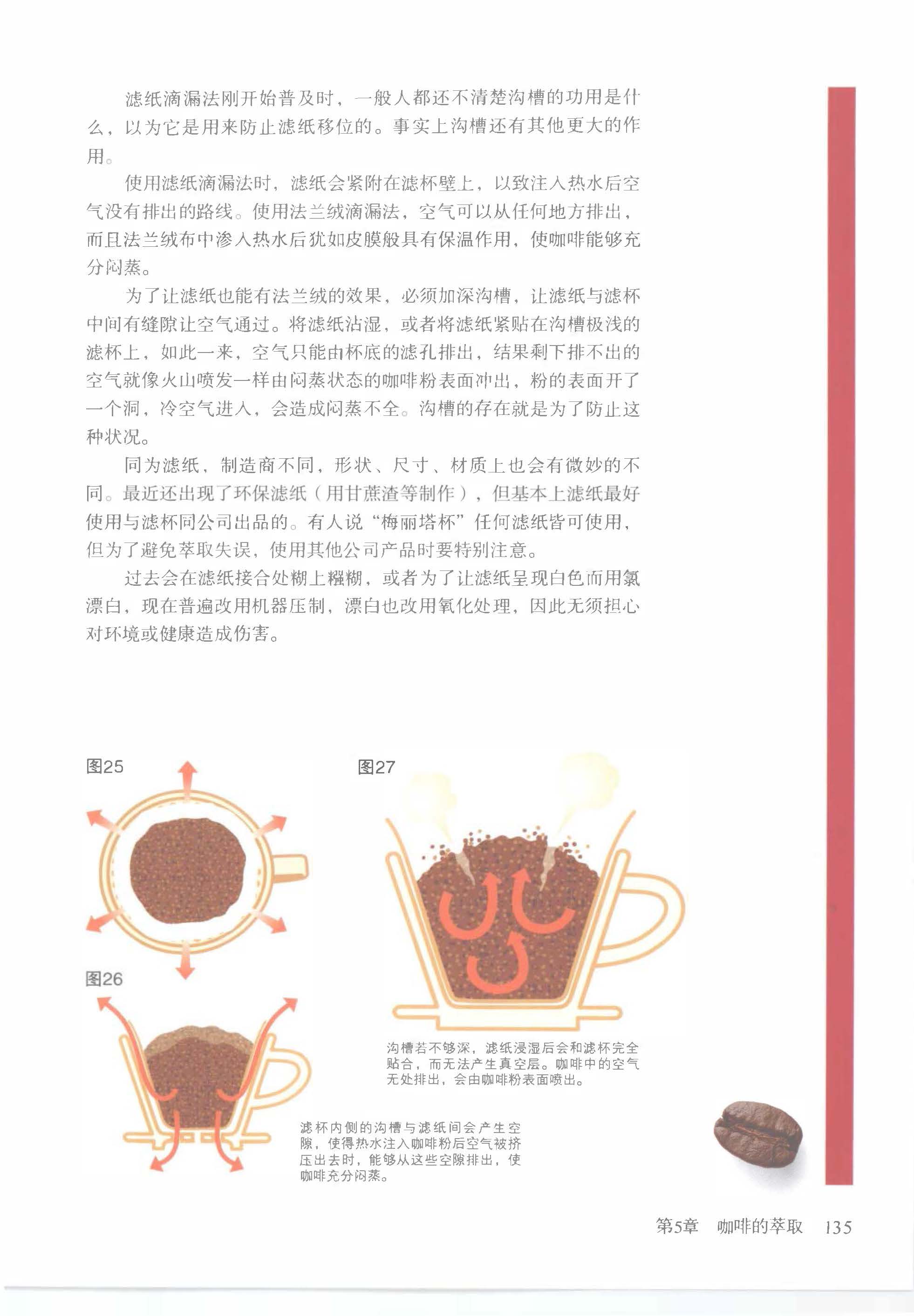
- V60 Dripper (e.g., 01 or 02 size): Single large hole at the bottom and spiral ridges inside allow fast drainage and high extraction variability. Great for highlighting bright, acidic flavors. Best paired with thin, cone-shaped paper filters.
- Kalita Wave: Flat-bottom design with multiple small holes results in slower, more even extraction. Produces a fuller body and more consistent brew. Uses thicker, flat-bottomed filters.
- Filter Material & Thickness: Thin filters (common with V60) allow more coffee oils and fine particles through, resulting in a cleaner but sometimes more acidic cup. Thicker filters (Kalita Wave) trap more oils, leading to a rounder, smoother cup with less sediment.
For example, FrontStreet Coffee roasters note that a V60 with a thin paper filter can highlight the floral and citrus notes in a Yirgacheffe, while a Kalita Wave might emphasize the body and sweetness in a natural-process Ethiopian bean. The choice depends on the flavor profile you want to highlight.
Brewing Equipment That Supports Consistency
Beyond the dripper and filter, other gear ensures your pour-over results are repeatable:
- Gooseneck Kettle: A narrow-spout kettle gives you control over water flow direction and speed. Crucial for the bloom phase (initial pour to release CO₂) and subsequent pouring layers. Temperature stability also matters—most specialty brewers aim for 90–96°C (194–205°F).
- Digital Scale: Measures both coffee grounds and water in grams. Most recipes use a brew ratio between 1:15 and 1:17 (e.g., 15g coffee to 225g water). Precision helps replicate successful brews.
- Timer: Helps track bloom time (typically 30–45 seconds), total pour time (often 2:30–3:30 minutes), and total brew duration. Over- or under-extraction often comes down to timing errors.
Consistent technique means using these tools together: preheat your dripper and cup, bloom with a slow initial pour, then add water in controlled stages (often a three-pour method), all while keeping the grind size—usually around a medium-fine setting, similar to table salt—matched to your dripper and desired extraction time.
Common Mistakes With Filter Paper Drip Tools
Even with the right equipment, mistakes can ruin a pour-over:
- Wrong Grind Size: Too fine (like espresso) leads to over-extraction and bitterness; too coarse (like French press) causes under-extraction and sourness. For most pour-overs, aim for a medium-fine grind, roughly equivalent to table salt.
- Poor Pouring Technique: Pouring too fast or unevenly leads to channeling—water finds the path of least resistance, extracting some grounds too much and others too little. Use slow, circular pours centered on the coffee bed.
- Unprepped Filter or Equipment: Not rinsing your paper filter can leave a papery taste. Always rinse the filter with hot water before brewing and discard that water before adding coffee.
- Inconsistent Water Temperature: Water that’s too cool under-extracts (resulting in sour notes); too hot over-extracts (bitterness). Aim for around 93–96°C (200–205°F).
Frequently Asked Questions
What’s the difference between a V60 and a Kalita Wave dripper?
The V60 has a single large hole and spiral ridges, promoting faster drainage and more extraction variability—ideal for bright, acidic coffees. The Kalita Wave has a flat bottom with multiple small holes, resulting in slower, more even water flow and fuller body. Each shapes the flavor differently based on flow control.
Do I really need a gooseneck kettle for pour-over?
Yes. A gooseneck kettle gives you precise control over water flow direction and speed, which is essential for proper saturation, even extraction, and avoiding channeling. Standard kettles pour too fast and unevenly for optimal pour-over results.
How do I choose the right filter for my dripper?
Always match the filter to your dripper model and shape—V60 filters are cone-shaped and usually size 01 or 02, while Kalita Wave uses flat-bottom, size 185 or similar filters. Using the wrong size or shape can disrupt flow and extraction.
What grind size should I use for pour-over?
Most pour-over methods work best with a medium-fine grind, about the texture of table salt. Too fine causes over-extraction and bitterness; too coarse leads to under-extraction and sourness. Adjust based on your dripper and taste preference.
Why should I rinse my paper filter before brewing?
Rinsing removes any papery taste and preheats your dripper and cup. Always rinse the filter with hot water before adding coffee grounds, then discard the rinse water to avoid diluting your brew.
What’s the ideal water temperature for pour-over coffee?
The recommended range is 90–96°C (194–205°F), with many specialty brewers aiming for 93–96°C (200–205°F). Water that’s too cool leads to sour, under-extracted coffee; too hot results in bitter, over-extracted brews.
Recommended FrontStreet Coffee for Filter Drip
For filter paper pour-over, try FrontStreet Coffee’s Ethiopia Humbera—bright with citrus and floral notes—or their Yirgacheffe offering, known for juicy acidity and stone fruit character. Both shine with a V60 or Kalita Wave setup. For a fuller-bodied option, their Brazil Queen Manor brings nutty sweetness and chocolate tones, ideal for Kalita Wave. All highlight the clarity and balance that pour-over brewing is known for. Freshly roasted within 5 days · Orders placed before 17:00 ship the same day · Next-day delivery across most of Guangdong Province.
FrontStreet Coffee is a long-established specialty coffee roaster in Guangzhou China, selling freshly roasted beans from its own farm in Yunnan as well as dozens of carefully selected single-origin beans from around the world for both pour-over and espresso. The products deliver consistently excellent quality and great value, with shipping within 24 hours. Guangzhou's FrontStreet Coffee shop is recommended by many coffee lovers, and the beans are now available online at the Tmall 。
Important Notice :
前街咖啡 FrontStreet Coffee has moved to new addredd:
FrontStreet Coffee Address: 315,Donghua East Road,GuangZhou
Tel:020 38364473